








Patagonia, the vast and rugged region at the southern tip of South America, is often seen as a sanctuary of pristine wilderness. Spanning parts of both Chile and Argentina, it is a place where nature reigns supreme, and human presence is an almost insignificant whisper. Known for its jagged mountains, vast glaciers, and expansive steppe, Patagonia remains one of the least developed and most remote corners of the planet. But with increasing global interest in the region, questions arise: Could Patagonia truly be the world’s most untouched wilderness? Or is even this pristine paradise beginning to feel the weight of modern encroachment?
The Geography of Patagonia
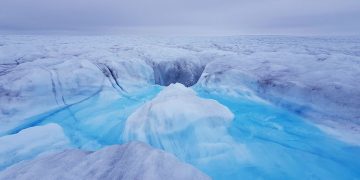
Patagonia occupies an area of around 1 million square kilometers (roughly the size of Egypt), and while it is not one unified region politically, it is often viewed as a cohesive environmental unit. Stretching from the southern Andes Mountains to the Southern Ocean, Patagonia consists of diverse ecosystems—each with its own distinct set of flora and fauna. Its landscapes are truly breathtaking: the windswept steppes, the lush temperate rainforests, and the ice-clad peaks of the Andes. The region also holds some of the world’s largest glaciers, including the Perito Moreno Glacier in Argentina and the Southern Patagonian Ice Field, which is the world’s second-largest ice field outside of the polar regions.
While the word “wilderness” often evokes images of dense jungles or vast savannas, Patagonia offers a unique brand of wilderness that comes with an element of austere beauty. It is a land of extremes—of inhospitable windstorms and silent, serene lakes; of towering granite monoliths and untraversed valleys. Here, nature speaks loudly, and the elements often dictate life’s rhythm. But amid all its raw beauty, does Patagonia remain untouched?
The Human Presence in Patagonia
The concept of “untouched wilderness” is fraught with complexity. From an ecological perspective, Patagonia may remain relatively wild compared to other parts of the world, but humans have nonetheless left their mark. Indigenous populations, including the Mapuche, Tehuelche, and Selk’nam peoples, have lived in Patagonia for thousands of years. They left behind an imprint on the land through their hunting, fishing, and fire practices. However, these indigenous communities were relatively small in number and lived in a way that coexisted with the land rather than transforming it.
Colonial settlement began in Patagonia in the late 19th century, driven by European settlers seeking land for sheep farming. The introduction of non-native species, such as rabbits, foxes, and even the European red deer, drastically altered local ecosystems. As commercial agriculture expanded, large swathes of land were fenced off for ranching, and vast areas of native forest were cleared. Despite this, Patagonia remained sparsely populated by humans compared to other regions of the world, particularly when measured against the high levels of industrialization and urbanization seen in Europe and North America.
The 20th century saw the rise of tourism, as Patagonia’s natural beauty and relatively undisturbed ecosystems began to attract adventurous travelers. Today, regions like Torres del Paine National Park and Los Glaciares National Park are world-renowned tourist destinations. Yet even with the increasing number of visitors, Patagonia’s low population density and expansive landmass have kept much of its wilderness relatively intact.
Conservation Efforts: A Double-Edged Sword?

In recent years, Patagonia has become a symbol of environmental conservation, thanks to both grassroots initiatives and efforts led by organizations like the late Yvon Chouinard’s Patagonia, Inc., which has long championed sustainability and conservation in the region. National parks and protected areas now cover large parts of Patagonia, and the region is a hub for eco-tourism, with visitors flocking from all over the world to witness its untouched beauty. These conservation initiatives, which include the creation of new protected areas and efforts to combat deforestation and invasive species, have played an important role in preserving Patagonia’s unique ecosystems.
But the very popularity of Patagonia as a conservationist ideal is creating challenges. While the presence of tourists brings economic benefits, it also brings pressures: pollution, overuse of trails, and the potential degradation of fragile ecosystems. The building of infrastructure—hotels, roads, airports—although done with some environmental sensitivity, still disrupts the natural world. Over the last few decades, for instance, parts of the Southern Patagonian Ice Field have been increasingly opened up to tourists, including glacier trekking, which, while controlled, does have environmental impacts on the ice itself.
The debate over large-scale conservation efforts in Patagonia has also intensified. Some argue that increasing restrictions on land use and access could push local communities and industries like ranching and fishing into more destructive practices. Others counter that without strict protections and sustainable land use policies, Patagonia’s natural beauty could be forever altered by unchecked development. One notable example of a conservation success is the purchase of a massive tract of land by the late Chouinard, who along with his family and organizations like the Nature Conservancy, has worked to protect millions of acres of Patagonia land from being developed. However, it remains to be seen whether such efforts can keep pace with the forces of global tourism and economic pressure.
Patagonia’s Biodiversity: A Last Frontier
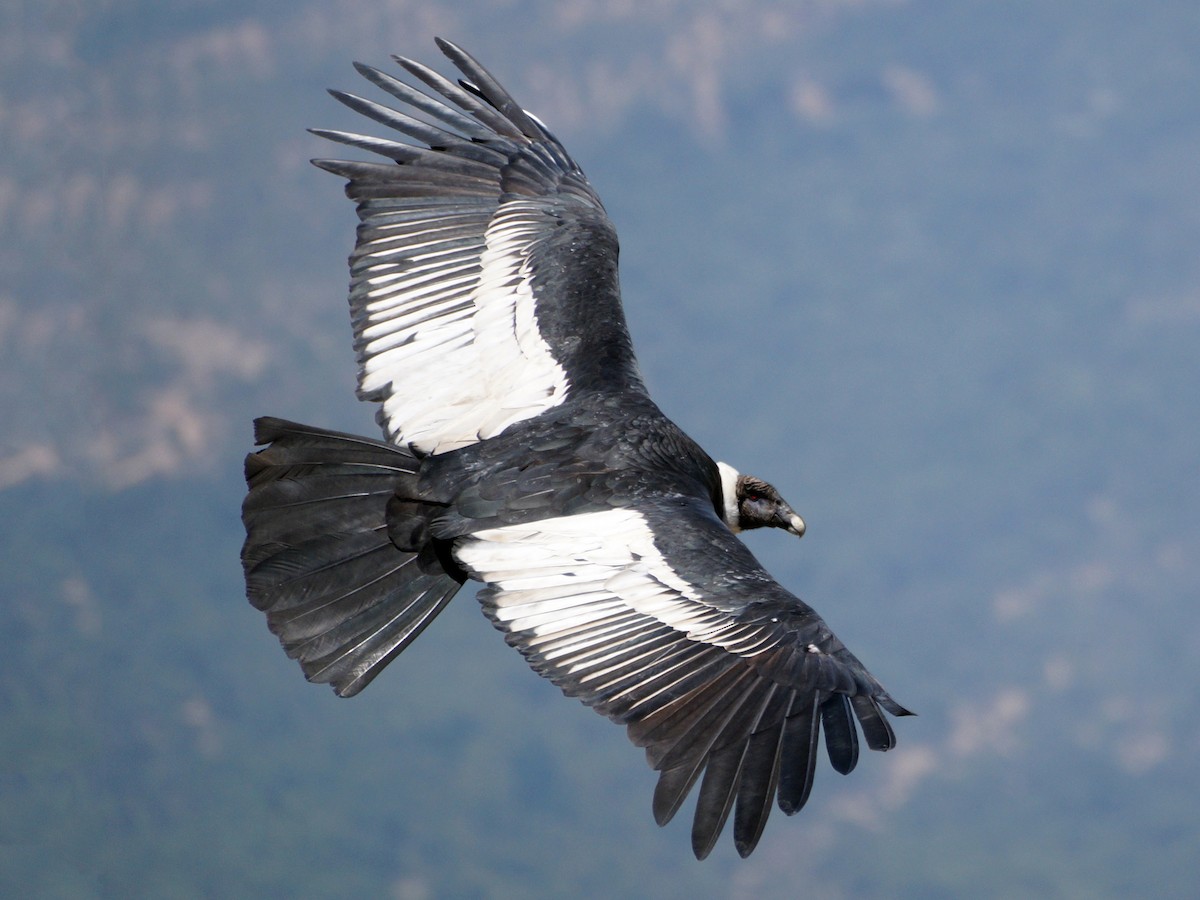
One of Patagonia’s most remarkable features is its extraordinary biodiversity. It is home to some of the world’s rarest species, including the endangered huemul deer and the Andean condor. But the region’s ecosystems are fragile, and even the smallest changes in human activity can trigger wide-reaching effects. For instance, the introduction of the European red deer has altered the vegetation and caused a decline in native plant species. Similarly, the proliferation of non-native predators has led to a decrease in some of Patagonia’s small mammal populations. On the other hand, the region remains a haven for wildlife, with the biodiversity found in Patagonia rivaling that of any other temperate zone on the planet.
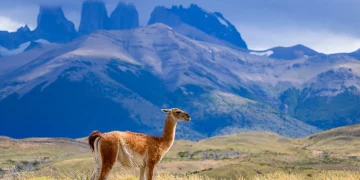
The Patagonian steppe, an arid region marked by expansive grasslands, is a unique biome in its own right. Though often thought of as a barren landscape, it teems with life: guanacos, rheas, and the elusive puma roam these lands, and the skies are dominated by eagles and condors. Yet the encroachment of agriculture and tourism threatens this fragile environment. Invasive species, habitat loss, and climate change pose significant risks to the delicate balance of life here.
Equally remarkable are Patagonia’s temperate rainforests, particularly those found along the western edges of the Andes in Chile. These forests are some of the last remaining temperate rainforests in the world, rich in biodiversity, and home to unique species like the endangered Chilean woodpecker and the Magellanic woodfrog. The forests face growing threats from logging, agriculture, and hydropower development, which threaten to disrupt their delicate ecological balance.
Climate Change: The New Frontier of Threats
Perhaps the most insidious threat to Patagonia’s wilderness is climate change. The region’s glaciers are retreating at an alarming rate due to warming temperatures. The Southern Patagonian Ice Field, for example, has seen a dramatic reduction in its size in recent decades. As the glaciers shrink, the once-pristine rivers that flow from them are being altered, threatening both local ecosystems and the human communities that rely on them for water.
Increased temperatures also disrupt the delicate balance of Patagonia’s ecosystems, with plant species struggling to adapt to changing conditions. The encroachment of non-native species, brought by both tourism and climate shifts, is further jeopardizing Patagonia’s ecological integrity. Forests are becoming more vulnerable to wildfires, and already-fragile species are finding their habitats shrinking or disappearing altogether.
For conservationists, this represents a critical juncture: how can the world preserve Patagonia’s wilderness in the face of such powerful and irreversible changes? It is increasingly clear that Patagonia is not immune to the global climate crisis, and its survival will depend not only on local conservation efforts but also on global strategies to mitigate climate change.
The Future of Patagonia
As Patagonia continues to attract more attention from environmentalists, travelers, and policymakers, the question remains: Can it truly be the world’s most untouched wilderness? The region undoubtedly retains much of its wildness, but that wildness is becoming ever more fragile. Even as local efforts to protect the environment grow, global pressures from tourism, industry, and climate change continue to shape Patagonia’s future.
Patagonia’s greatest asset is its remoteness and the vastness of its unspoiled wilderness. It offers a rare glimpse into the Earth’s natural beauty, but it also stands as a stark reminder of what is at risk as human activity reaches into every corner of the planet. While Patagonia may still hold onto some semblance of the untouched wilderness we yearn for, whether it can remain so indefinitely is a question with no easy answer.
In a world of ever-growing human influence, Patagonia offers a profound challenge: can we protect the last great wildernesses from the forces of change? Or will Patagonia, like so many other wild places, ultimately succumb to the pressures of modern life?