









Mongolia, the landlocked country nestled between Russia and China, has long been regarded as a hidden gem for adventurous travelers. However, over the past few years, this vast and wild land is rapidly gaining attention as one of the next big frontiers for global tourism. With its rugged landscapes, rich history, unique culture, and relatively low levels of tourism compared to its neighbors, Mongolia is poised to become the next big travel destination for those seeking authenticity, adventure, and a break from the conventional.
A Land of Contrasts
Mongolia’s appeal lies in its striking contrasts. From the endless, wind-swept steppes to the towering Altai Mountains, and from the vast Gobi Desert to lush green valleys, Mongolia’s natural beauty is both diverse and awe-inspiring. The landscape is unspoiled by mass tourism, making it a rare destination for travelers who wish to experience nature at its most primal and untouched.
But Mongolia is not just about the great outdoors. Ulaanbaatar, the capital, is a fascinating blend of old and new, where traditional gers (felt tents) stand side by side with modern buildings. Here, a rich Mongolian heritage intertwines with the rapid modernization of the 21st century. As the country seeks to position itself on the global tourism map, it’s a place where visitors can find both a glimpse of Mongolia’s ancient past and a taste of its emerging future.
A Culture that Stays with You
Mongolia is home to a deep and storied culture that dates back thousands of years. The most iconic figure in Mongolian history is Genghis Khan, whose empire once stretched from Europe to the Pacific. Although the Mongolian Empire has long since dissolved, the influence of Genghis Khan can still be seen today in the Mongolian people’s pride, traditions, and hospitality. Visitors can explore historical sites like the Kharkhorin (the ancient capital of the Mongol Empire) and the Erdene Zuu Monastery, which offer a window into the past.
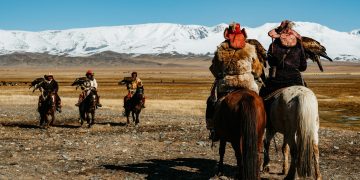
The nomadic lifestyle remains a defining feature of Mongolian culture. The majority of Mongolians still live in rural areas, with many leading a semi-nomadic existence, moving with their herds of sheep, goats, and cattle. For tourists, this offers an authentic cultural experience, from staying in a traditional ger camp to participating in local festivals, like the world-famous Naadam Festival, which showcases Mongolian wrestling, archery, and horse racing. This blend of cultural heritage and natural beauty provides travelers with a uniquely immersive experience, rarely found in more conventional tourist destinations.
Adventure Tourism at Its Peak
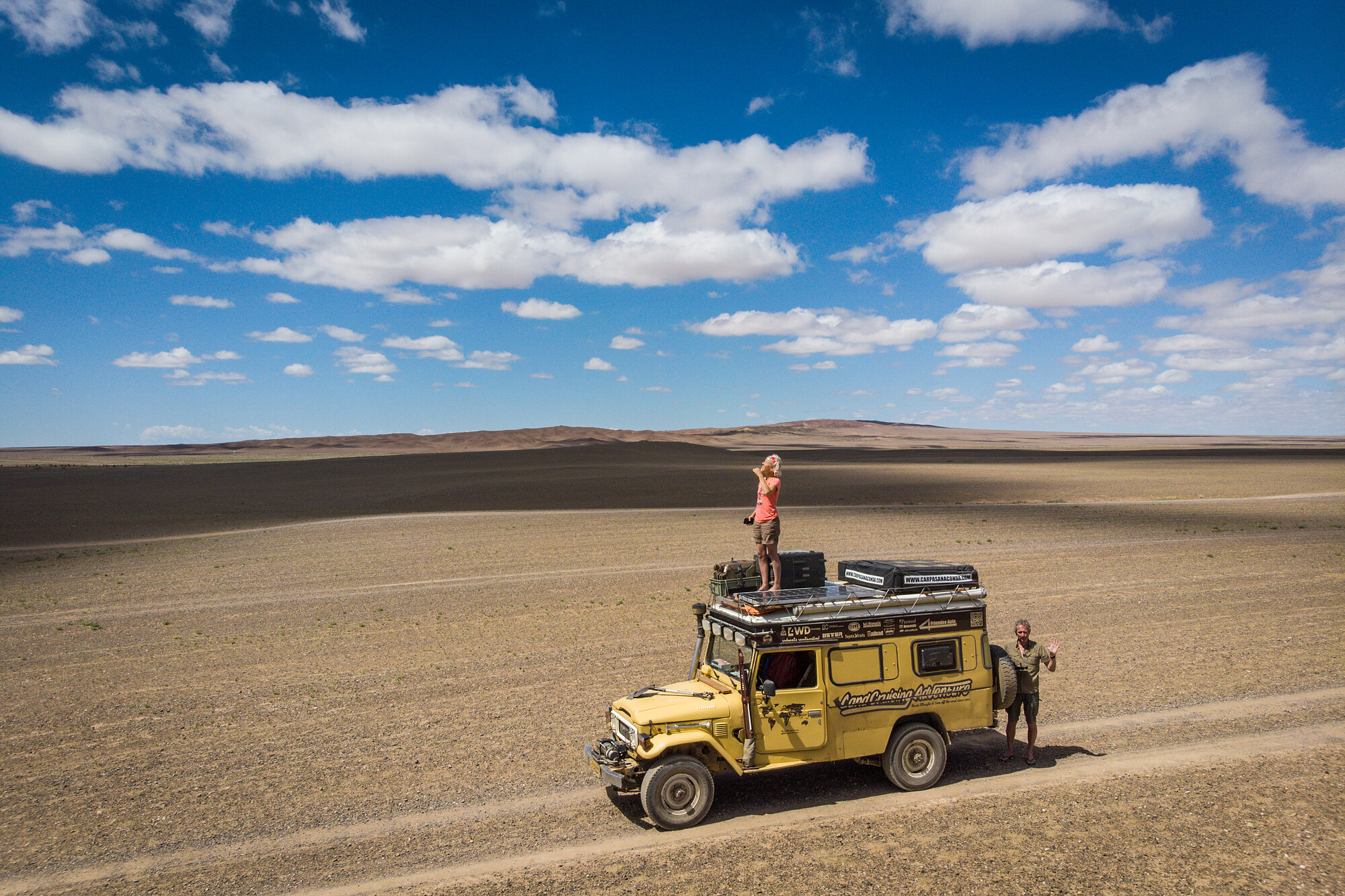
For the intrepid traveler, Mongolia offers one of the best adventure tourism experiences in the world. Trekking, horseback riding, and camel safaris are just a few of the outdoor activities that await visitors. The Gobi Desert, one of the most famous deserts on earth, offers an unparalleled opportunity for exploration. Adventurers can trek across vast sand dunes, visit ancient Buddhist temples, and even catch a glimpse of the famous Bactrian camels. The Gobi is not just a desert; it’s an experience that has been shaped by millennia of history, both geological and human.
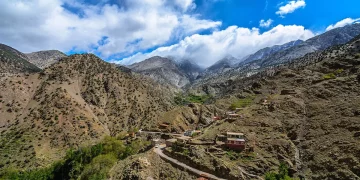
The Altai Mountains in the west of the country provide another stunning landscape for adventure enthusiasts. Here, tourists can hike through towering peaks, explore remote valleys, and even visit ancient petroglyphs that date back thousands of years. For those seeking something even more off-the-beaten-path, the vast steppes offer unparalleled solitude, where travelers can wander through pristine landscapes, without the interruptions of modern life. Mongolia’s rugged terrain allows for unparalleled exploration, making it a haven for eco-tourism and adventure seekers alike.
Low-Cost, High-Impact Travel
One of Mongolia’s most appealing qualities is its affordability. Unlike many other popular tourist destinations that come with steep price tags, Mongolia remains relatively inexpensive for international visitors. Accommodation, food, and transportation are all very affordable compared to neighboring countries like China or Russia. Even in Ulaanbaatar, the cost of living is low, and local experiences—such as staying in a ger camp, enjoying a traditional meal, or taking a horseback ride—are priced reasonably.
This makes Mongolia an attractive destination for budget-conscious travelers who want to experience an authentic adventure without breaking the bank. At the same time, the country’s tourism infrastructure is steadily improving, with new hotels, lodges, and transport options emerging to cater to a growing number of visitors. While the tourism industry is still in its nascent stages, Mongolia offers a rare combination of low-cost travel and high-impact experiences that travelers can’t get elsewhere.
The Appeal of a Low-Crowd Destination
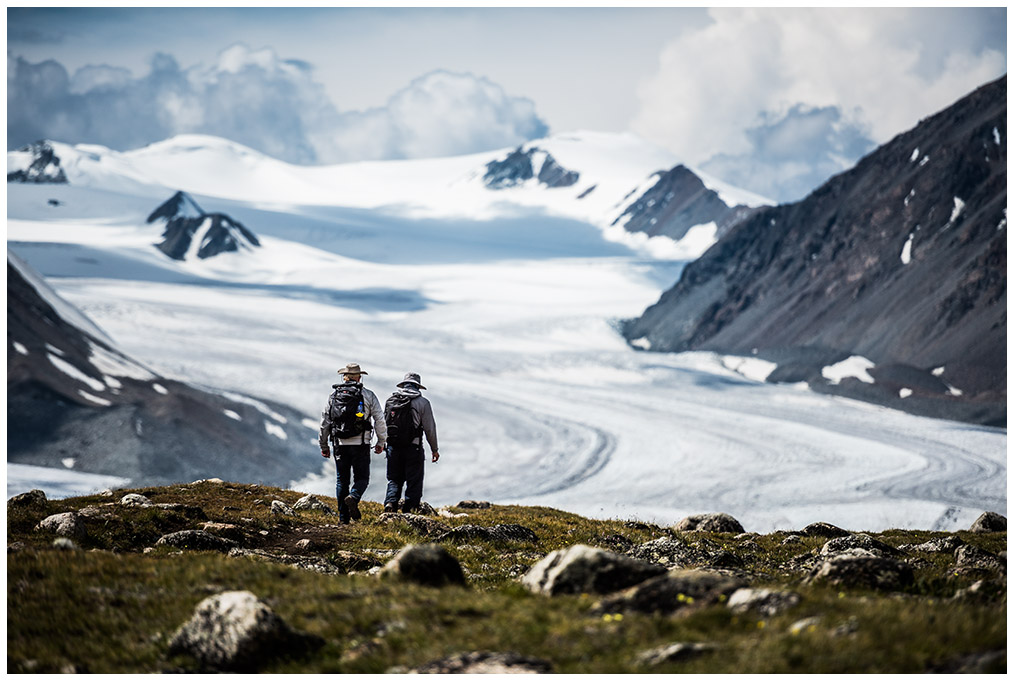
In an age where many of the world’s most popular tourist destinations are overcrowded and over-commercialized, Mongolia offers a welcome escape. The country receives far fewer international visitors than its neighbors, making it a perfect destination for those looking for peace and solitude in nature. Imagine wandering through ancient ruins, trekking across vast deserts, or riding a horse across the steppe, with nothing but the sound of the wind in your ears and the sense that you’re truly off the beaten path.
This lack of mass tourism also means that the natural environment remains largely untouched. Mongolia’s national parks and reserves are in pristine condition, and there is a concerted effort by the government to protect the country’s unique landscapes. Sustainable tourism initiatives are slowly taking root, and Mongolia is keen on preserving its environmental heritage while opening its doors to responsible travelers.
Challenges and Opportunities
While Mongolia’s potential as a travel frontier is undeniable, there are challenges to be overcome. Infrastructure, particularly in more remote areas, is still developing. Roads outside of Ulaanbaatar can be rough, and public transport options are limited. However, these challenges also present opportunities for travelers looking to immerse themselves in the “real” Mongolia. The journey itself—whether it’s on horseback, camel, or even by foot—becomes part of the experience.
Moreover, there are ongoing efforts to improve the country’s tourism infrastructure. New airports, luxury accommodations, and better road networks are all in the works. Local businesses are also becoming more attuned to the needs of international tourists, with guides, tours, and services that cater specifically to adventure and eco-tourism enthusiasts.
Perhaps the biggest opportunity for Mongolia lies in its ability to offer a truly unique, off-the-beaten-path experience. While other countries may offer similar landscapes or activities, Mongolia’s combination of culture, history, and adventure makes it an irresistible choice for those seeking something different.
The Future of Mongolian Tourism
As the global tourism landscape continues to evolve, Mongolia is positioned to become one of the next big destinations for travelers. Its combination of low tourist traffic, affordability, and stunning landscapes makes it a prime candidate for those looking to discover new frontiers. The Mongolian government has also begun to recognize the potential for tourism, with initiatives aimed at increasing international arrivals while preserving the country’s unique culture and natural beauty.
If you’re looking for a destination that offers a raw, authentic experience, Mongolia might be the perfect place for you. Whether you’re interested in trekking through the Gobi Desert, immersing yourself in the traditions of nomadic life, or simply getting away from it all, Mongolia offers something for everyone. As the country continues to develop its tourism sector, it’s clear that Mongolia has the potential to become one of the world’s top travel frontiers.