










Throughout history, humanity has told stories — narratives woven from events, emotions, and ideas, often passed down through generations. These stories, whether in the form of myths, legends, historical accounts, or personal anecdotes, hold deep significance. They serve as a mirror, reflecting the lives, struggles, and triumphs of those who came before us. But as much as these stories document the past, can they also offer us insight into the future? Can they be a roadmap for what’s yet to come?
This article explores the idea that stories from the past, in their various forms, can indeed offer valuable predictions about our future. By examining patterns, human nature, and cyclical events, we will discuss how the tales of those who lived long before us may still shape our decisions, guide our actions, and help us understand where we are headed.
1. The Power of Historical Patterns
The first argument for the predictive power of stories from the past is rooted in the idea of historical patterns. As much as the world evolves, human nature and societal behaviors tend to follow certain patterns. These recurring cycles form the backbone of much of history’s narrative, whether it’s the rise and fall of empires, the recurrence of wars, or the patterns of economic booms and busts.
For instance, consider the story of the Roman Empire. The empire’s rise to power is a tale of ambition, strategic alliances, and military might. However, its eventual collapse was largely due to internal instability, economic strain, and the overextension of its resources. This story is not just a warning about the past; it serves as a cautionary tale for modern empires, corporations, and even countries that may be treading the same path.
Similarly, the economic cycles seen in the Great Depression of the 1930s or the 2008 financial crisis offer lessons about the consequences of unchecked greed, poor regulation, and unsustainable financial practices. These stories are not isolated incidents; they are chapters in a larger narrative that demonstrates how societies repeatedly face similar challenges under comparable conditions. By analyzing these patterns, we can glean valuable insights into potential future economic upheavals.
2. The Archetypes of Human Nature
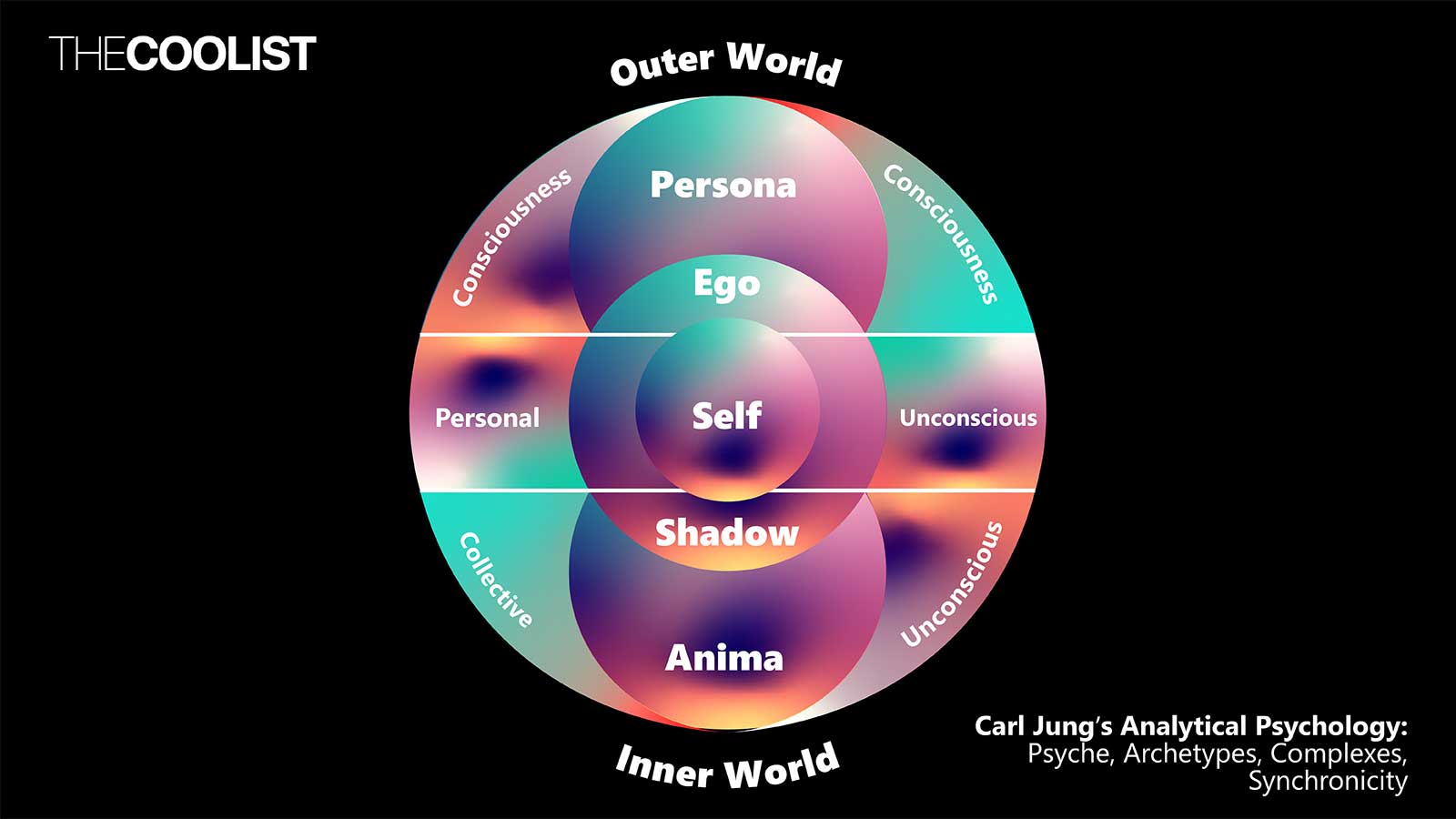
At the heart of many great stories is the exploration of human nature. Whether it’s the tragic hero, the cunning trickster, or the selfless leader, these archetypes transcend time and culture. From ancient myths to modern literature, these recurring figures tap into universal truths about who we are as individuals and as a society.
Take, for example, the tale of King Arthur and his knights of the Round Table. The story, with its themes of loyalty, betrayal, and the search for a higher purpose, remains relevant because it speaks to the fundamental aspects of human behavior. The rise and fall of Arthur’s reign — brought about by the betrayal of those closest to him — is a powerful reflection on how trust and power dynamics shape both personal relationships and larger political structures.
In more modern contexts, we can look to the rise and fall of tech giants like Apple, Microsoft, and Google. These companies have grown based on their visionary leadership, but internal betrayals, shifting market dynamics, and a focus on profit over ethics can lead to downfall. Much like the fates of legendary kings, the stories of these companies echo the same themes of power, ambition, and human frailty.
By studying these archetypes, we can better understand our own motivations, anticipate the consequences of our decisions, and recognize the potential pitfalls ahead. Human nature doesn’t change overnight, and these timeless stories offer a mirror to our own behavior, helping us navigate future challenges.
3. The Role of Myths and Legends in Shaping Future Trends
While history provides factual accounts, myths and legends offer metaphorical truths. These stories, passed down through the ages, often contain moral lessons or explanations for the mysteries of the world. However, they are not merely fanciful tales. Myths can also serve as warnings, prophecies, and frameworks for understanding the world around us.
For example, the ancient Greek myth of Cassandra tells the story of a prophetess who was cursed to speak the truth but never to be believed. Her prophecies, no matter how accurate, were ignored, leading to the destruction of Troy. This myth, though ancient, has profound relevance today. It speaks to the dangers of ignoring warning signs, whether it’s climate change, political instability, or economic collapse. How many warnings in our own time go unheard because the consequences seem too distant or too abstract?
Similarly, the myth of Icarus — who flew too close to the sun with wings made of feathers and wax — serves as a cautionary tale about hubris and overreaching ambition. In today’s context, this myth could apply to individuals or corporations that push technological boundaries without considering the ethical implications or the potential risks involved. The story of Icarus reminds us that unchecked ambition can lead to disastrous consequences.
These myths and legends offer more than just entertainment; they encapsulate the timeless struggles and moral dilemmas that have shaped human civilization. As such, they remain powerful tools for predicting the future because they highlight the enduring forces at play in society: ambition, hubris, the conflict between good and evil, and the eternal tension between progress and caution.
4. The Wisdom of Personal Anecdotes
In addition to historical accounts and grand myths, personal stories — the seemingly small tales of everyday life — can also offer insight into the future. These anecdotes, often overlooked, carry a form of wisdom that is deeply rooted in individual experience. They are snapshots of how people cope with adversity, how they navigate relationships, and how they pursue their dreams.
Take, for example, the stories of entrepreneurs who have started businesses from humble beginnings. Their tales often follow a common narrative arc: starting with a bold idea, facing setbacks and failures, but ultimately finding success through resilience, adaptation, and learning from mistakes. While each story is unique, the patterns are strikingly similar, offering a blueprint for future entrepreneurs.
Moreover, personal anecdotes about overcoming adversity — whether it’s surviving a personal loss, battling illness, or enduring economic hardship — can offer valuable lessons in resilience and adaptability. These stories teach us how individuals can navigate challenges, how to find meaning in hardship, and how the human spirit can triumph against all odds. In a rapidly changing world, these stories provide us with timeless strategies for resilience and survival.
5. The Predictive Power of Collective Memory

One of the most powerful aspects of stories from the past is their ability to shape collective memory. These stories, when shared within a community, create a shared understanding of identity, values, and history. The collective memory formed by these stories helps us interpret the present and anticipate the future.
For example, the collective memory of World War II shapes much of the way we view global politics today. The horrors of the war, the lessons learned about the dangers of unchecked nationalism, and the importance of international cooperation are all embedded in the stories we tell about that time. These stories shape our modern attitudes toward war, peace, and diplomacy, influencing the way nations interact with one another.
In more recent times, the stories of civil rights movements, from the U.S. Civil Rights Movement to global struggles for gender equality, continue to inform our understanding of social justice. These stories serve as reminders of the ongoing fight for equality and fairness, helping to fuel movements today and inspiring individuals to continue the fight.
The stories we tell about our past, as a collective, are not just nostalgic reflections; they are powerful tools for shaping the future. By remembering past struggles and triumphs, we are better equipped to face the challenges of tomorrow.
6. The Cyclical Nature of Time
Finally, one of the most compelling reasons that stories from the past can predict our future is the cyclical nature of time itself. History, it seems, is not a linear progression but a series of repeating cycles. Civilizations rise, peak, and decline; economic markets expand, contract, and stabilize; human struggles and desires remain largely unchanged.
This cyclical nature suggests that, despite technological advancements and shifting cultural norms, many of the challenges we face today are not new. From climate change to political polarization, many of the issues we face echo those from the past. By studying the way previous generations dealt with similar problems, we can predict how future generations might respond.
For example, the environmental crises of today — such as deforestation, pollution, and climate change — can be traced back to earlier periods of industrial expansion and ecological disruption. The Industrial Revolution, for instance, marked the beginning of widespread environmental degradation, a trend that has continued ever since. While technology has advanced, the underlying environmental issues remain the same. The past teaches us that unless we learn from previous mistakes, we are doomed to repeat them.
Similarly, political cycles often follow predictable patterns. Democracies, for instance, tend to swing between periods of progressivism and conservatism, with public opinion often shifting in response to perceived inequalities or injustices. The rise and fall of political ideologies — whether liberal, conservative, or radical — follow a recurring rhythm, shaped by economic conditions, social movements, and cultural shifts.
Conclusion: Learning from the Past to Navigate the Future
Stories from the past, whether they are historical accounts, myths, personal anecdotes, or collective memories, provide us with invaluable lessons for the future. They offer a roadmap to understanding human nature, societal dynamics, and the recurring cycles of history. By examining these stories, we can gain insight into the patterns that shape our world, the challenges we will face, and the decisions we must make.
While the future is uncertain, the past can serve as a guide, offering wisdom, warnings, and possibilities. It is not a matter of predicting the future with absolute certainty, but rather using the lessons from the past to navigate the uncertainties ahead. As we face the challenges of the 21st century — from climate change to technological disruption, from political polarization to global conflict — the stories of the past can help us understand where we’ve been, where we’re going, and how we might find our way forward.
Search Keywords for Images: