










Europe, a continent teeming with rich history, diverse cultures, and awe-inspiring landscapes, is known for its iconic cities like Paris, Rome, Barcelona, and Berlin. However, beyond the bustling streets of these metropolitan areas lies a world of lesser-known villages, each with its unique charm, character, and history. These hidden gems, often overlooked by mainstream tourism, offer an unparalleled opportunity to experience the authentic, rustic side of Europe. Whether nestled in the mountains of the Alps, perched along quiet coastlines, or tucked away in rolling countryside, Europe’s lesser-known villages are treasure troves of cultural richness and natural beauty.
This article aims to take you off the beaten path, exploring some of the best-kept secrets of Europe’s rural heartlands. We will delve into the history, architecture, and unique features of these villages, all while providing a glimpse into the lives of those who call them home. Along the way, we’ll explore why these places remain hidden gems and how travelers can uncover their beauty.
1. The Allure of Europe’s Lesser-Known Villages
Lesser-known villages in Europe are not just tourist destinations—they represent the soul of the continent. These small, rural communities are often preserved in time, their landscapes and architecture untouched by modern development. While the larger cities draw millions of visitors each year, many travelers overlook the quieter villages that possess an authenticity and charm that cannot be replicated in tourist hotspots.
In contrast to the polished attractions in metropolitan areas, these villages offer a glimpse into local life, where ancient traditions are still celebrated and the pace of life is slower. It’s in these places that visitors can truly connect with the past, whether it’s through age-old festivals, time-honored culinary practices, or centuries-old buildings that have withstood the test of time.
2. Why Choose Lesser-Known Villages?
Authenticity and Tradition
One of the main attractions of lesser-known villages is the opportunity to experience European traditions in their most authentic form. While larger cities have often commercialized or modernized cultural practices, small villages still honor their customs, whether that be in the form of regional festivals, local craft traditions, or traditional culinary offerings. Imagine walking through a medieval village where the cobbled streets echo the sound of centuries-old footsteps, or attending a local harvest festival that has been celebrated for hundreds of years.
Breathtaking Landscapes
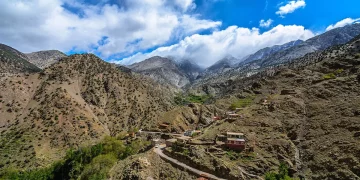
Many of Europe’s lesser-known villages are surrounded by stunning natural landscapes, from the jagged peaks of the Swiss Alps to the rolling hills of Tuscany or the serene beauty of the Scottish Highlands. These areas are less crowded, allowing visitors to truly immerse themselves in the landscape. Whether you enjoy hiking, cycling, or simply taking a peaceful walk, the unspoiled nature surrounding these villages is often a major draw.
Peace and Tranquility
In an era of overcrowded tourist destinations, the promise of peace and tranquility is a welcome relief. Europe’s hidden villages provide the perfect escape from the hustle and bustle of modern life. There is something incredibly restorative about spending time in a quiet, picturesque village, where the rhythm of life moves at a slower pace. For those seeking to disconnect from the pressures of urban living, these villages offer an idyllic retreat.
:max_bytes(150000):strip_icc()/GettyImages-902521486-5b44cd50c9e77c00377aa934.jpg)
3. Hidden Gems in Europe’s Lesser-Known Villages
Let’s explore some of these hidden gems across Europe—villages that are worth visiting for their beauty, culture, and unique stories.
Hallstatt, Austria
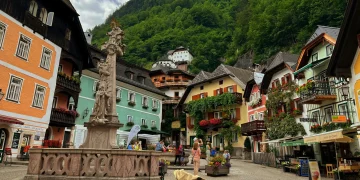
Though it has grown in popularity in recent years, Hallstatt remains one of Europe’s most stunning and timeless villages. Nestled on the shores of Lake Hallstatt and surrounded by towering mountains, this small village offers a picture-perfect landscape. The charming, pastel-colored houses and narrow streets create an almost fairytale-like atmosphere. Hallstatt is also home to a 7,000-year-old salt mine, one of the oldest in the world, where visitors can explore an ancient underground world. The blend of natural beauty and rich history makes Hallstatt a must-visit for anyone wanting to experience Austria’s rural splendor.
Eze, France
Eze is a medieval hilltop village perched on a rocky promontory along the French Riviera. With its narrow cobblestone streets, stone houses, and panoramic views of the Mediterranean, Eze offers a taste of Provence’s beauty without the crowds of nearby Nice or Monaco. The village is famous for its perfume factories, as the region has a long tradition of fragrance production. Visitors can tour the Fragonard Perfumery, where they can learn about the art of scent-making. Eze is also home to the beautiful Jardin Exotique, a botanical garden with rare plants and incredible views.
Polignano a Mare, Italy
Tucked away in southern Italy, Polignano a Mare is a charming coastal village that overlooks the Adriatic Sea. Known for its dramatic cliffs, crystal-clear waters, and ancient stone buildings, Polignano a Mare is often described as one of Italy’s most beautiful seaside villages. The town’s historic center, with its narrow alleyways and whitewashed houses, is a joy to explore. One of the highlights is the famous Lama Monachile beach, where the town’s buildings seem to rise right out of the sea, creating a stunning and unique landscape.
Ronda, Spain
Perched high above a deep gorge, Ronda is one of Spain’s most dramatic villages. Located in Andalusia, Ronda is famous for its 18th-century Puente Nuevo bridge, which spans the Tajo Gorge and connects the old and new parts of the town. Ronda is also known for its bullfighting tradition, with the Plaza de Toros being one of the oldest and most iconic bullrings in Spain. The village’s rich history is evident in its Moorish architecture, charming plazas, and winding streets. Ronda’s location on the edge of the Serranía de Ronda mountain range also offers breathtaking views of the surrounding landscapes.
Giethoorn, Netherlands
Often referred to as the “Venice of the North,” Giethoorn is a small village in the Netherlands that has no roads—only canals, footpaths, and bridges. Visitors navigate the village by boat, gliding through its peaceful waterways past thatched-roof cottages, lush green fields, and scenic views. Giethoorn is an excellent example of a village that has maintained its traditional charm while offering a truly unique experience. It’s the perfect place for those who want to experience a slower, more tranquil way of life, away from the hustle and bustle of urban centers.
Chania, Greece
Located on the island of Crete, Chania is a village that combines rich Venetian, Turkish, and Greek heritage. With its winding alleys, vibrant markets, and picturesque harbor, Chania offers a perfect blend of history and beauty. The village is known for its stunning Venetian harbor, surrounded by narrow streets lined with colorful buildings, cafes, and shops. Visitors can also enjoy the nearby beaches, as well as the mountainous landscapes that offer excellent hiking opportunities. Chania’s culinary scene is also a highlight, with fresh seafood and traditional Cretan dishes like moussaka and dakos.

4. Practical Tips for Exploring Europe’s Hidden Villages
Visiting these lesser-known villages requires a different kind of approach compared to traditional tourism. Here are some tips to help you make the most of your adventure:
1. Research and Plan Ahead
While spontaneous exploration is exciting, many lesser-known villages are off the beaten path, so it’s important to do some research before you go. Check for any local events, festivals, or seasonal closures that may affect your visit. Additionally, consider renting a car if the village is not easily accessible by public transport.
2. Respect Local Traditions
Smaller villages often have deep-rooted traditions and a slower pace of life. It’s essential to respect the local customs and rhythms of these places. Be mindful of quiet hours, local festivals, and the unique practices that define each village. Engaging with the locals and learning about their traditions will deepen your experience.
3. Pack Light and Comfortable
Many of Europe’s lesser-known villages feature narrow streets, uneven terrain, and ancient buildings. Pack comfortable shoes, light clothing, and a good camera to capture the beauty of these villages. A backpack with essentials such as water, snacks, and sunscreen will be useful for long strolls.
4. Slow Down and Enjoy the Journey
The essence of visiting hidden villages is to slow down, take in the surroundings, and immerse yourself in the culture. Don’t rush to tick off a list of sights—take time to explore the streets, enjoy a local meal, or simply relax in a peaceful café. The beauty of these villages lies in their tranquility and simplicity.
5. Conclusion
Europe’s lesser-known villages hold a treasure trove of experiences, waiting to be discovered by the intrepid traveler. These destinations offer more than just stunning views or picturesque streets—they provide a window into the heart of Europe, where tradition, nature, and local culture are preserved in their most authentic forms. Whether you’re looking for a serene escape, a chance to connect with history, or an opportunity to explore untouched landscapes, these hidden gems are sure to provide a memorable and enriching experience.
So, the next time you plan a trip to Europe, consider venturing beyond the usual tourist cities and uncovering the magic of its lesser-known villages. These off-the-beaten-path destinations are waiting to be explored, offering a world of stories, beauty, and history that remain largely undiscovered by the masses.