







A stay at a historical hotel is a decision many travelers ponder. For some, it represents the perfect blend of nostalgia, luxury, and immersive storytelling, while for others, it can seem like an unnecessary detour from the modern comforts of more contemporary accommodations. But is a historical hotel stay truly worth it? To answer that question, we need to explore the multifaceted appeal of these storied establishments, consider the perks they offer, and weigh them against potential drawbacks. In this article, we’ll take an in-depth look at why so many choose to spend their nights in places where history still lingers and whether the experience is worth the investment.
The Unique Allure of Historical Hotels
1. A Journey Back in Time
When you book a stay in a historical hotel, you’re not just reserving a room; you’re stepping into a time capsule. These buildings, often centuries old, carry stories of eras long past, providing an immersive experience that modern hotels simply cannot replicate. The architecture, decor, and ambiance evoke the charm and character of bygone times. Whether it’s the Victorian elegance of a century-old manor, the opulent art deco stylings of a grand early 20th-century skyscraper, or the medieval allure of a castle-turned-hotel, the history is woven into every corner.
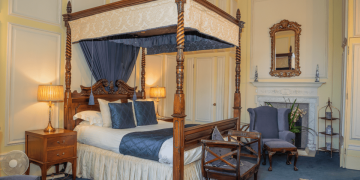
Historical hotels often preserve unique elements of the past that transport guests into another world. For instance, a guest room might be furnished with antique furniture, while the walls may showcase original artwork from the time the hotel was first built. These details create an atmosphere that goes far beyond the sterile comfort of chain hotels and encourages guests to appreciate the craftsmanship and stories of the past.
2. Architectural Wonders
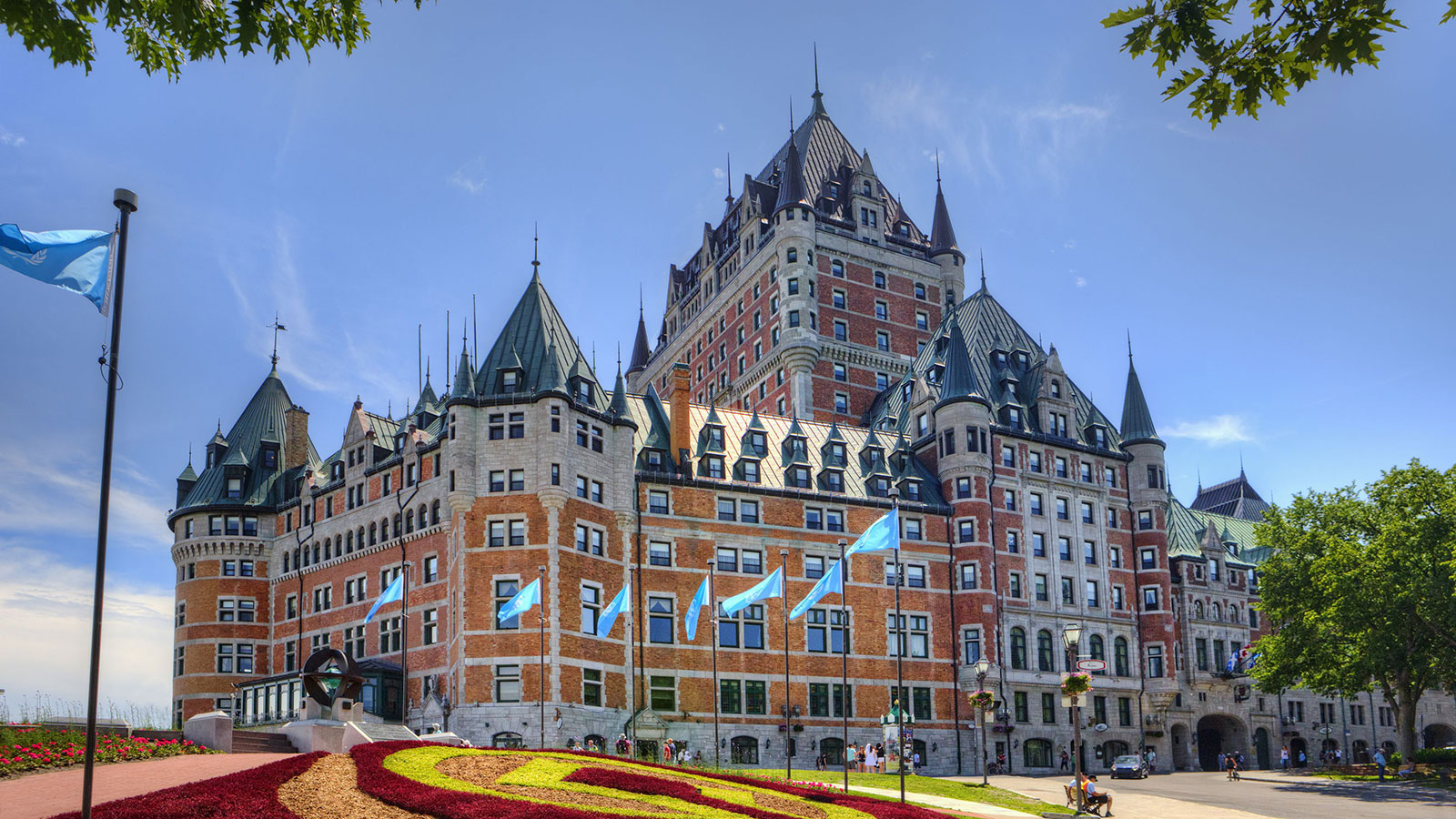
Many historical hotels are considered architectural masterpieces. Some are designed in classic styles like Georgian, Baroque, or Neoclassical, while others reflect a specific cultural heritage that adds to their mystique. Staying in such a hotel is akin to visiting a living museum, where each hallway, staircase, and chandelier tells its own tale.
A historical hotel may feature handcrafted woodwork, grand chandeliers, intricate iron railings, and soaring ceilings. These architectural elements were often created at a time when craftsmanship was highly prized, resulting in structures that showcase an artistry rarely seen in modern construction. For architecture enthusiasts and design aficionados, this alone can make the experience incredibly rewarding.
3. Rich History and Legendary Guests
Many historical hotels have played host to famous personalities, politicians, artists, and writers throughout history. Staying in the same rooms as these illustrious guests adds a sense of excitement and curiosity to the experience. Whether it’s the idea of having breakfast where a famous author wrote their masterpiece, or spending the night in the same suite that a well-known historical figure once occupied, the very notion of walking in the footsteps of the great and the famous is undeniably fascinating.
A prime example is the Hotel de Ville in Paris, where legendary figures like Napoleon Bonaparte stayed. Or the Ritz in London, where luminaries from Winston Churchill to Ernest Hemingway sought respite. These hotels are steeped in rich history, and for some travelers, simply walking through their hallowed halls is a thrill in itself.
4. Cultural Immersion
The experience of staying in a historical hotel can offer an unparalleled opportunity to immerse oneself in the local culture. Many such hotels were originally built to reflect the distinct styles and cultural values of their regions. From the architecture and interior design to the culinary traditions and music, everything about these hotels embodies the spirit of the place.
For instance, staying in a historical hotel in Japan may include tatami mats, sliding shoji screens, and tea ceremonies. A hotel in Italy may offer a taste of local cuisine from the time of the Renaissance, with rooms decorated in the opulent style of that period. It’s more than just a place to rest; it’s a place to experience the cultural essence of the destination.
The Perks of Staying in a Historical Hotel
1. Unique Atmosphere and Charm
The ambiance in a historical hotel is like no other. In contrast to the sleek, minimalist designs of modern hotels, historical hotels offer a sense of warmth, character, and old-world charm. Guests often find themselves enchanted by the quirky creaks in the floorboards, the faint scent of aged wood, or the golden glow of antique light fixtures.
This unique atmosphere can be a delightful contrast to the uniformity of chain hotels. The appeal lies in the sense of intimacy and authenticity that historical hotels provide. Staying here means experiencing a place that is distinctly different from any other.
2. Superior Service and Hospitality
Historical hotels often pride themselves on providing exceptional service. As institutions that have been around for generations, they tend to have a long-standing tradition of offering personalized and attentive care to guests. Many historical hotels were originally built to cater to high society, and that legacy often persists today. The staff are typically well-trained, and the level of customer service tends to be more individualized.
Whether it’s the doorman who greets you by name or the concierge who offers bespoke recommendations, the personalized attention you receive in these hotels can enhance your stay.

3. Luxurious Amenities
While historical hotels are often charmingly old-fashioned in their design, many have successfully modernized their amenities without sacrificing their heritage. Many have incorporated cutting-edge technology, such as high-speed Wi-Fi, modern fitness centers, and spa facilities, alongside their antique furniture and period-specific decor.
Furthermore, some historical hotels have been renovated to include ultra-modern comforts like rainfall showers, heated floors, and state-of-the-art climate control systems, ensuring guests have all the benefits of contemporary convenience while enjoying the opulence of a bygone era.
The Drawbacks: Is a Historical Hotel Stay Always Ideal?
While the appeal of a historical hotel stay is undeniable, there are some drawbacks to consider before booking. Not all historical hotels offer the same level of comfort and service, and certain factors may make them less than ideal for some travelers.
1. Age-Related Issues
As charming as it may be to stay in a centuries-old building, the age of historical hotels can sometimes bring about practical challenges. Older buildings may not have the same soundproofing or insulation as modern hotels, meaning noise from other rooms or the street could be more noticeable. Air conditioning or heating might be outdated or unevenly distributed, making it difficult to control the room’s temperature. Bathrooms might also lack the modern luxury many are accustomed to.
However, many historical hotels work hard to balance the preservation of their history with the introduction of modern amenities. But it’s still worth checking guest reviews to ensure that comfort won’t be compromised during your stay.
2. Cost
Staying in a historical hotel often comes with a premium price tag. Because of their unique appeal, location, and status, historical hotels can be more expensive than contemporary hotels. For travelers on a budget, this may make the experience less accessible or even impractical.
However, the higher cost is often justified by the special experience the hotel offers—combining luxury, history, and tradition. If you view the stay as a part of the experience rather than just accommodation, the cost may seem more reasonable.
3. Limited Modern Features
While many historical hotels offer modern amenities, some may lack the conveniences and features that are standard in more contemporary establishments. For example, rooms might not have large flat-screen TVs or advanced technological features. You may also encounter limited power outlets or slower internet speeds in older buildings. This can be a deal-breaker for those who need specific modern comforts, such as fast internet for work or streaming.
The Verdict: Is It Worth It?
So, is a historical hotel stay worth the experience? For many, the answer is a resounding “yes.” The charm, character, and sense of stepping back in time offer something that modern hotels often lack—authenticity and a deep connection to history. If you’re someone who values unique experiences, rich storytelling, and architecture, a stay in a historical hotel is an unforgettable way to immerse yourself in the culture and past of a destination.
However, for those who prioritize modern amenities, streamlined comfort, or a budget-friendly option, the historical hotel experience may not always be the right fit. It’s important to manage expectations and understand that staying in a historical hotel comes with its quirks and potential drawbacks. But if you’re open to a more authentic and personalized experience, the allure of history, luxury, and timelessness will likely make it all worthwhile.