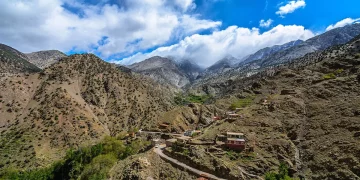











The Amazon Rainforest, often called the “lungs of the Earth,” is one of the most biodiverse and mysterious ecosystems on the planet. It spans over 5.5 million square kilometers across nine countries in South America, and is home to countless species of plants, animals, and insects—many of which have yet to be discovered. While its incredible beauty and raw wilderness may seem captivating, the thought of surviving a night in this vast, untamed forest raises an essential question: Could you really survive a night in the Amazon Rainforest?
Survival in the Amazon isn’t about simple physical endurance. It’s about knowledge—knowing what to eat, where to seek shelter, and how to protect yourself from the dangers that lurk in the shadows. Let’s explore what it truly takes to survive a night in this majestic yet perilous rainforest.
1. Understanding the Amazon Rainforest
Before attempting survival in any environment, it’s crucial to understand the terrain, climate, and the threats it presents. The Amazon Rainforest is characterized by its dense vegetation, high humidity, and extreme temperatures, which can fluctuate drastically. During the day, temperatures soar up to 86°F (30°C) or more, and at night, they can drop to around 68°F (20°C). Humidity is consistently high, often hovering between 80-90%.
The forest floor is blanketed with layers of fallen leaves, moss, and decaying plant matter, providing a dense yet slippery surface. Giant trees tower overhead, some reaching heights of over 200 feet. The thick canopy often blocks out much of the sunlight, casting the forest floor in shadow. Moving through this environment requires patience, awareness, and the ability to quickly adapt.
The Amazon also teems with wildlife, much of which remains hidden in the dense undergrowth. From venomous snakes to predatory jaguars, and from blood-sucking insects to aggressive mosquitoes, every corner of the forest presents a potential threat. Yet, it is not only these visible dangers that make survival difficult—it is the hidden threats, such as parasites and diseases, that are often the most lethal.
2. The Challenges of Survival
Surviving a night in the Amazon is a formidable challenge, and for several reasons, even the most seasoned adventurers would struggle to stay alive without proper training and preparation. Here are some of the key challenges:
1. Food and Water
Finding food in the rainforest is far from easy. While the forest is rich in resources, many of the plants and fruits found here are either toxic or hard to identify. The ability to forage for safe food is a skill that can take years to develop.
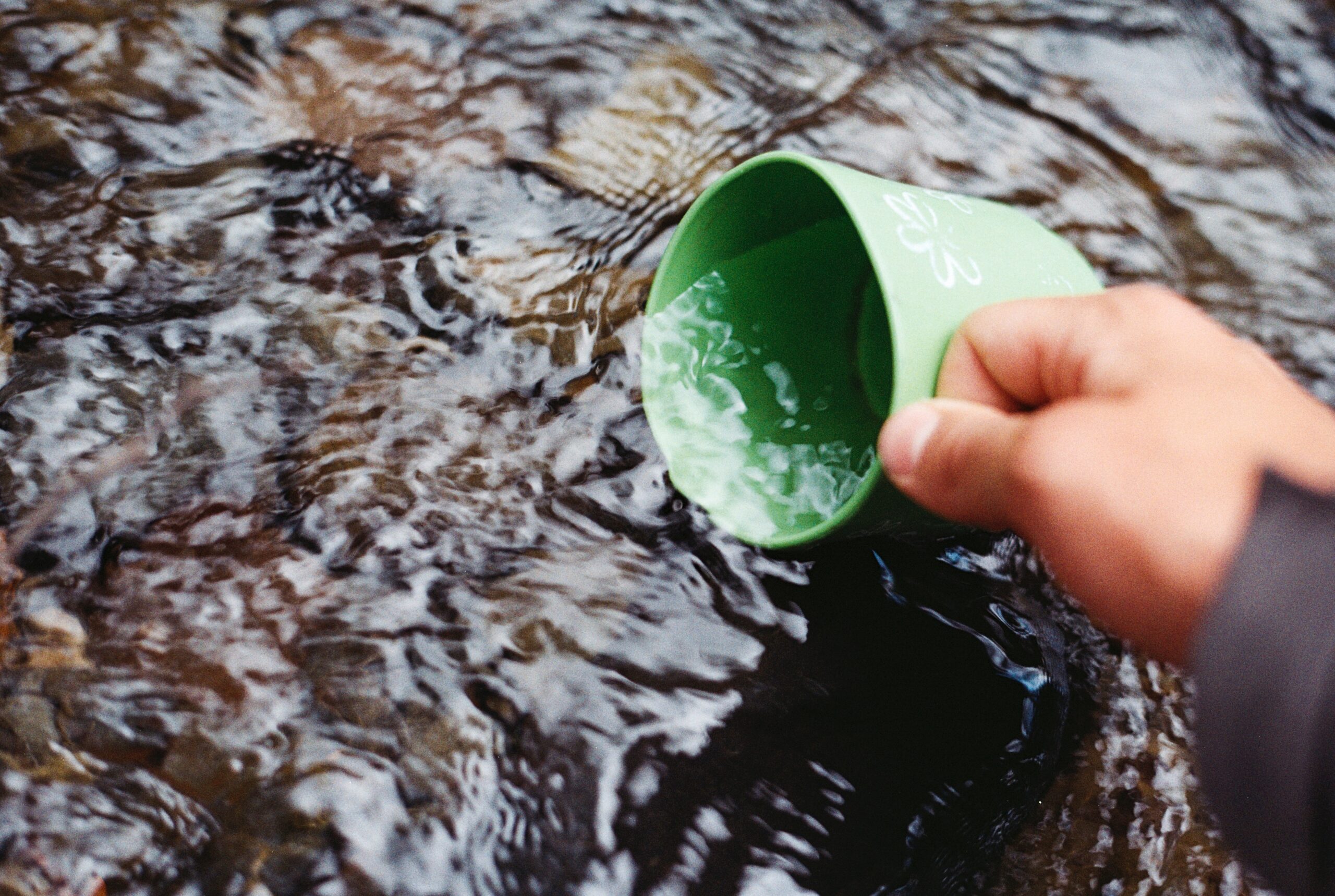
Water, on the other hand, is abundant—but it’s not always safe. The Amazon River and its many tributaries are often contaminated with bacteria, parasites, and diseases such as dysentery, cholera, and leptospirosis. To survive, you’d need to know how to filter and purify water, whether by using a filtration system, boiling it, or relying on other traditional methods such as using charcoal or plant material.
While many animals in the Amazon are edible, not all are easily captured. Hunting small animals or fishing requires specific knowledge of the terrain and the animals’ behaviors. Poisonous frogs and large predators like jaguars can be deadly, making hunting a dangerous and risky endeavor.
2. Shelter
The Amazon’s heat and humidity can quickly lead to heat exhaustion and dehydration, making a proper shelter essential. Constructing a shelter out of local materials such as palm leaves, vines, and branches is crucial for staying protected from the elements and insects. A good shelter will also keep you off the forest floor, reducing the risk of bites from venomous snakes or ticks.
However, even a well-constructed shelter doesn’t guarantee safety. Heavy rainfall is a common occurrence in the Amazon, and the sudden storms can flood your camp within minutes. Staying dry and keeping your shelter intact is vital to avoid hypothermia, which can quickly set in if the temperature drops during a rainstorm.
3. Dangers of Wildlife
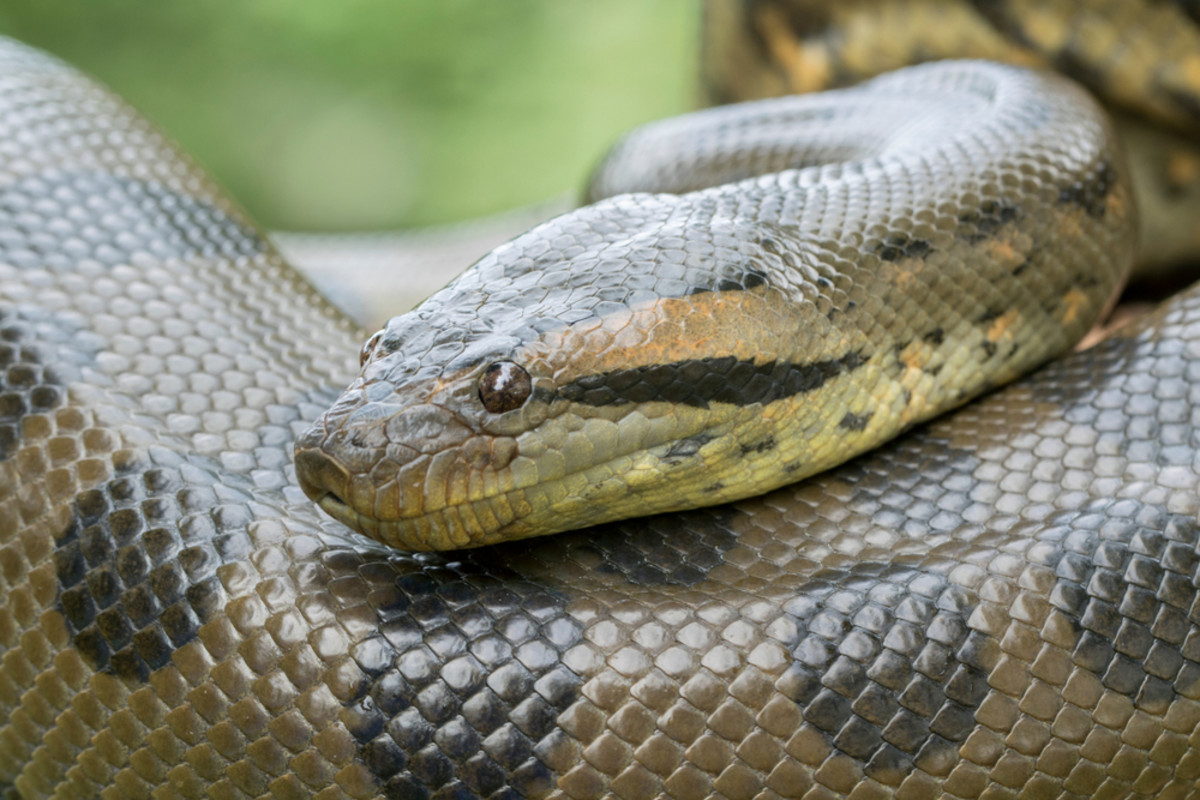
The Amazon Rainforest is home to some of the most dangerous animals on Earth. Many are stealthy and difficult to spot, while others are outright aggressive. The dangers range from venomous snakes such as the bushmaster and the coral snake, to large predators like jaguars, pumas, and caimans.
Insects, too, are a significant threat. Mosquitoes carry diseases such as malaria, dengue, and Zika, while sandflies and no-see-ums are known to cause severe irritation. The Amazon is also home to a variety of parasitic organisms, including hookworms, which can enter the body through the skin, causing painful infections.
On top of these obvious threats, there are also smaller but equally dangerous creatures, such as the bullet ant, whose sting is said to be among the most painful of any insect, and the army ant, which can overrun an entire campsite in a matter of hours.
4. Navigation and Orientation
The Amazon is vast, and it can be nearly impossible to navigate without the right skills and knowledge of the terrain. The dense jungle can disorient even the most experienced adventurer. Without a compass or GPS, you would need to rely on natural navigation skills such as observing the sun’s position, following rivers or streams, or tracking wildlife trails.
However, navigating in the Amazon can quickly become confusing, especially during the night when visibility is limited. Getting lost in the rainforest is a common problem, and the risk of dehydration or injury increases the longer you remain disoriented.
3. The Essentials of Survival
If you were to find yourself lost or stranded in the Amazon, there are a few critical steps that could help improve your chances of survival. Here’s what you’d need to focus on:
1. Stay Calm and Conserve Energy
Panicking in a survival situation is one of the biggest mistakes you can make. The rainforest is an unpredictable environment, and if you become anxious or overly exert yourself, you may exhaust precious energy. Staying calm is key to survival. Conserve your energy by avoiding unnecessary movement, staying still when possible, and planning each action carefully.
2. Water First, Food Second
While food is essential, your primary concern in the Amazon should be water. As mentioned earlier, the rainforest is full of water sources, but they are often contaminated. Finding clean water should be your top priority. Use knowledge of the terrain to identify clean water sources, such as springs or streams that flow away from human settlements.
Boiling water is the most effective way to make it safe to drink. If boiling isn’t possible, you could attempt to purify water using charcoal, certain plant materials, or by making a rudimentary filtration system with sand, gravel, and cloth.
3. Constructing a Shelter
A good shelter is vital for staying warm and dry. Your shelter should protect you from rain and insects, and elevate you off the ground to avoid snakes and other wildlife. Constructing a shelter requires finding materials like palm leaves, vines, and strong branches. A simple A-frame or lean-to shelter can provide the necessary protection.
4. Use Fire Wisely
Starting a fire is another essential survival skill in the Amazon. Fire can provide warmth, help purify water, ward off insects, and signal for rescue. However, making a fire in the rainforest can be tricky, as the high humidity makes tinder and kindling difficult to find. You’ll need to gather dry materials and use friction, flint and steel, or other methods to start the fire.
5. Be Aware of Wildlife
In the Amazon, it’s important to be mindful of the wildlife around you. Avoid predators by making noise and moving cautiously through the forest. If you encounter venomous snakes or insects, back away slowly and avoid direct contact.
If you must defend yourself, use natural materials such as sharp sticks, stones, or even fire to ward off dangerous animals. However, many of the Amazon’s creatures will leave you alone if you respect their space.
6. Signal for Help
If you’re lost or in danger, signaling for help is essential. Smoke from a fire can be seen from a distance, and a signal mirror or reflective object could attract attention if you’re near a clearing or river. If you have a whistle or loud noise-making device, use it periodically to increase your chances of being heard.
4. The Psychological Aspect of Survival
Surviving in the Amazon isn’t just a test of physical endurance—it’s also a psychological challenge. Loneliness, fear, and isolation can have a profound effect on your mental state. If you’re lost, it can be easy to lose hope. The key to survival lies in maintaining a positive mindset and staying focused on your goals.
Keeping a clear head and managing your emotions is critical. Many survival experts recommend focusing on small tasks, such as building shelter, finding water, and making fire. By breaking down your situation into manageable steps, you can prevent yourself from becoming overwhelmed.
5. Conclusion: Could You Survive?
So, could you really survive a night in the Amazon Rainforest? It depends on many factors, including your level of preparedness, your knowledge of the environment, and your ability to adapt to the challenges of the jungle. While the Amazon offers incredible resources for survival, it also presents numerous dangers that can be lethal to the unprepared.
For the average person, surviving the night without proper gear, knowledge, or training is a near-impossible task. However, for someone with the right skills, tools, and mindset, survival in the Amazon is possible. If you’re truly determined, the Amazon Rainforest could become an experience that tests both your physical and mental limits, teaching you the true meaning of survival in the wild.