









Storytelling has been a cornerstone of human communication for centuries. From ancient myths to modern novels, it shapes how we perceive the world, others, and ourselves. But can storytelling transcend the realm of entertainment or education to become a form of protest? Can words, narratives, and characters be tools for resistance, for calling attention to injustice, and for challenging oppressive systems? The answer is a resounding yes. Storytelling can be, and has been, a powerful form of protest across history and cultures. It provides a space for marginalized voices, exposes societal ills, and offers alternative visions of the world.
In this article, we explore how storytelling can function as an act of resistance and why it is so effective in challenging authority, demanding change, and sparking social movements.
The Power of Narrative in Protest
At its core, storytelling is about conveying a message. This message can take many forms — from subtle metaphors to direct criticism — but its ultimate goal is to communicate something that matters to the storyteller. The power of a narrative lies not only in its content but also in its capacity to stir emotions, inspire action, and shift perceptions.
1. Amplifying Marginalized Voices
One of the most potent forms of protest storytelling is when it amplifies the voices of those who are often silenced or overlooked. Throughout history, marginalized groups have used storytelling as a means to articulate their struggles and call for justice. For instance, African American literature, from slave narratives to contemporary works, has long served as a vehicle for expressing resistance to systemic racism. Authors like Harriet Jacobs, James Baldwin, and Toni Morrison used their writing to expose the dehumanizing effects of slavery, segregation, and racial prejudice. Their stories did more than just inform; they provoked empathy and action.
Storytelling as protest can also be seen in the works of indigenous writers, LGBTQ+ authors, and women who have used the written word to confront historical erasure, societal discrimination, and personal trauma. By telling their stories, these writers not only reclaim their voices but also invite others to see the world from their perspective, often leading to greater understanding and solidarity.
2. Exposing Injustice and Sparking Awareness
Another key aspect of storytelling as protest is its ability to expose injustices that might otherwise remain hidden. Fiction, poetry, and personal narratives have long served as vehicles for shedding light on social, political, and economic wrongs. For instance, George Orwell’s 1984 and Aldous Huxley’s Brave New World are both works of speculative fiction that warn readers about the dangers of totalitarianism and oppressive government control. While these stories are set in fictional worlds, their commentary on surveillance, censorship, and loss of personal freedoms remains highly relevant to real-world political contexts.
Similarly, the works of Latin American authors like Gabriel García Márquez and Isabel Allende have shed light on the tumultuous political landscapes of their respective countries. Through magical realism and allegorical storytelling, these writers have highlighted the violence, corruption, and social inequality present in Latin American societies, challenging readers to confront uncomfortable truths about their governments and institutions.
By creating narratives that resonate with real-world issues, storytellers compel their audiences to confront uncomfortable truths and reflect on the societal structures that perpetuate harm.
3. Imagining Alternative Futures

Storytelling is also a powerful tool for imagining different futures. In times of political upheaval, social unrest, or environmental crisis, people often turn to stories to envision a world that is better, fairer, and more just. This is especially true of speculative fiction, a genre that allows writers to explore alternate realities and envision futures that challenge current paradigms.
The utopian and dystopian genres, for example, often serve as reflections of contemporary anxieties and desires. In The Handmaid’s Tale by Margaret Atwood, for example, the author presents a dystopian society in which women are stripped of their autonomy and forced into reproductive servitude. While the story is fictional, its critique of patriarchal systems, theocracy, and gender inequality speaks directly to real-world concerns about women’s rights and freedoms. Similarly, works like The Dispossessed by Ursula K. Le Guin and The Parable of the Sower by Octavia Butler offer alternative visions of society that challenge capitalism, environmental degradation, and social inequality.
By presenting alternative futures, storytelling challenges the status quo and invites audiences to imagine possibilities beyond what currently exists. These imagined futures can serve as blueprints for real-world change, offering hope and direction in times of struggle.
Storytelling in Social Movements
Throughout history, storytelling has played a pivotal role in social movements, providing the narratives that help galvanize collective action. Whether through oral traditions, literature, or more modern forms like social media, storytelling has been used as a tool for mobilizing people, shaping public opinion, and demanding justice.
1. The Civil Rights Movement
In the mid-20th century, the American Civil Rights Movement was fueled not only by marches, protests, and legal challenges but also by powerful stories of resistance and resilience. The works of writers like Richard Wright, Zora Neale Hurston, and Langston Hughes captured the pain and perseverance of African Americans living under segregation. The stories they told, through both fiction and nonfiction, helped shape the movement’s moral and intellectual foundation.
One of the most iconic examples of storytelling in the Civil Rights Movement was the 1963 letter written by Dr. Martin Luther King Jr. from a Birmingham jail. In this letter, King used the written word to challenge white moderates who were urging him to wait for gradual change. Through his powerful and eloquent prose, King demonstrated the urgency of the struggle for justice and equality, calling on all people of conscience to take action.
2. The Feminist Movement
Similarly, the feminist movement has utilized storytelling as a means of challenging patriarchal norms and advocating for women’s rights. Works like Betty Friedan’s The Feminine Mystique and Simone de Beauvoir’s The Second Sex provided the intellectual foundation for the second wave of feminism, helping to articulate the systemic inequalities women face in both private and public spheres.
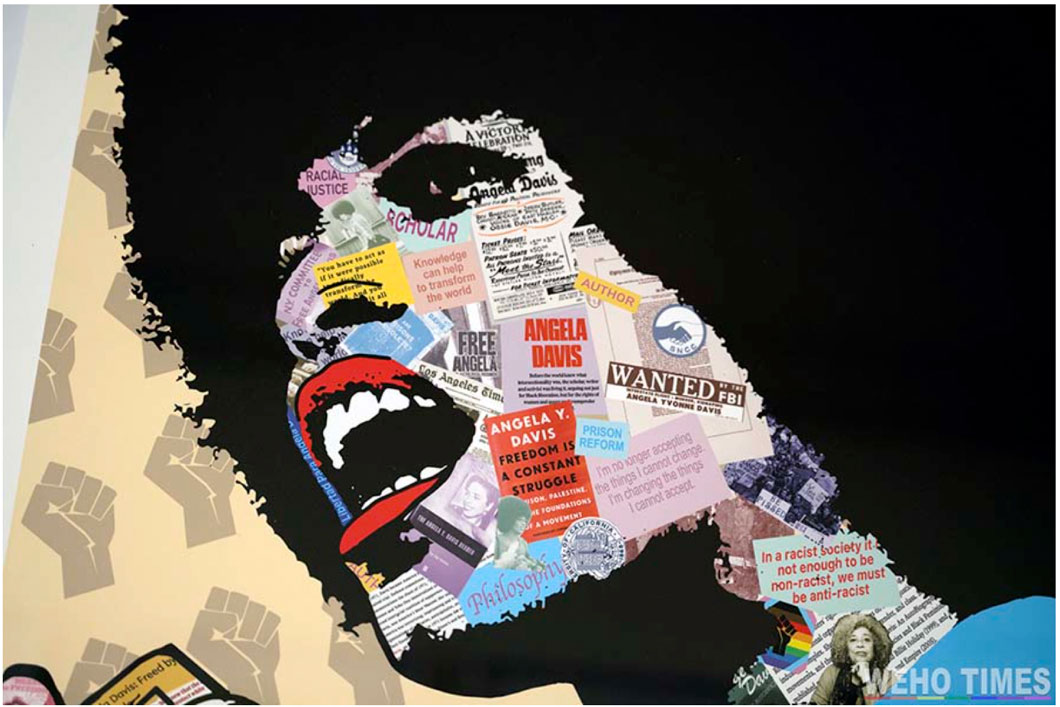
In addition to these foundational texts, personal narratives have also been central to feminist activism. Women’s stories of sexual harassment, domestic violence, and workplace discrimination have played an important role in raising awareness and pushing for legal and social reforms. The #MeToo movement, for example, was built upon the power of personal testimony and the collective sharing of stories about sexual assault and harassment.
Through these personal narratives, feminism has created a space for women to reclaim their experiences, reshape societal attitudes, and demand accountability from institutions that have long perpetuated gender-based violence and discrimination.
3. LGBTQ+ Rights
Storytelling has been equally significant in the LGBTQ+ rights movement, as it has allowed individuals to share their personal experiences and advocate for social change. The stories of LGBTQ+ people — often told through memoirs, documentaries, plays, and films — have humanized the struggle for equality and acceptance, challenging stereotypes and misconceptions.
In works like The Well of Loneliness by Radclyffe Hall and Giovanni’s Room by James Baldwin, LGBTQ+ authors explored the complexities of love, identity, and marginalization. These works, though often banned or censored at the time of their publication, helped to challenge societal norms around gender and sexuality. More recently, films like Moonlight and Call Me by Your Name have depicted queer love in ways that defy traditional narratives of heteronormativity, offering new representations of LGBTQ+ relationships and identities.
Through storytelling, LGBTQ+ activists have pushed for legal rights, social acceptance, and cultural visibility, showing the transformative power of personal stories in driving societal change.
Digital Storytelling as Protest
In the 21st century, the rise of digital media has opened up new avenues for storytelling as protest. Social media platforms, blogs, podcasts, and video-sharing sites have become powerful tools for activists to tell their stories and mobilize support.
1. #BlackLivesMatter
One of the most prominent examples of digital storytelling as protest is the #BlackLivesMatter movement, which gained international attention following the deaths of Trayvon Martin, Michael Brown, and other Black individuals at the hands of police officers. Through social media platforms like Twitter, Instagram, and Facebook, activists and ordinary people alike shared personal stories, video footage, and testimonies to highlight police brutality and systemic racism.
Hashtags like #SayHerName and #BlackLivesMatter became rallying cries for a global movement, with individuals from around the world using digital storytelling to raise awareness, demand accountability, and push for policy changes.
2. Climate Change Activism
Climate change activism has similarly benefited from digital storytelling, with platforms like YouTube and Twitter offering spaces for environmentalists to share their messages. Young activists like Greta Thunberg have used social media to amplify their calls for urgent action on climate change, reaching a global audience and inspiring millions to participate in climate strikes and protests.
Through personal stories, videos, and images of environmental destruction, activists have been able to convey the urgency of the climate crisis, galvanizing individuals and organizations to take action in support of the planet.
The Enduring Impact of Storytelling as Protest
Storytelling, whether in the form of literature, personal narrative, or digital media, has long been a potent tool for protest. It allows individuals and communities to voice their struggles, challenge the status quo, and demand social and political change. By providing a platform for marginalized voices, exposing injustice, and imagining alternative futures, storytelling can disrupt the prevailing narrative and inspire action.
As we continue to confront new challenges in the modern world — from political oppression to climate change — storytelling remains an essential tool for resistance. In the words of writer and activist Audre Lorde: “Your silence will not protect you.” By telling our stories, we assert our existence, our power, and our vision for a better world.