










When it comes to choosing a hotel, most travelers consider factors like location, amenities, room quality, and price. Yet, one element often outweighs all others, even if it isn’t immediately visible: the hospitality of the hotel staff. The way a front desk clerk greets you, a concierge assists you, or a housekeeper anticipates your needs can dramatically shape your experience, influencing everything from your mood to your willingness to return. Hospitality is not just about being polite; it’s about creating memorable experiences that resonate long after the checkout. In this article, we’ll explore why hotel staff hospitality matters, how it affects your overall stay, and what it reveals about the modern hospitality industry.
1. Hospitality: The Invisible Foundation of a Hotel
Hotels are, at their core, service providers. Rooms, furniture, and luxurious amenities only matter if they are complemented by attentive and thoughtful service. Hospitality is the invisible thread weaving all other elements together.
Imagine walking into a hotel after a long day of travel. The lobby is sleek, the décor modern, but the front desk clerk looks bored, gives you minimal information, and fails to smile. Suddenly, the carefully curated ambiance of the hotel feels cold, impersonal, and uninviting. In contrast, a warm greeting, prompt check-in, and personalized attention can immediately make a guest feel welcomed and valued.
Hospitality is, in essence, the emotional currency of a hotel. While amenities are tangible, a staff member’s kindness and attentiveness leave an intangible, lasting impression.
2. First Impressions Matter More Than You Think
The first interaction with hotel staff is critical. Studies in hospitality psychology show that first impressions often shape the guest’s perception for the entirety of the stay. This is called the primacy effect, where initial interactions disproportionately influence overall satisfaction.
A friendly, knowledgeable, and attentive staff member at check-in can:
- Set a positive tone for the stay
- Reduce guest anxiety after travel
- Offer valuable information about the property and local attractions
- Build an immediate emotional connection with the guest
Conversely, a rude or indifferent greeting can overshadow even the most luxurious accommodations. This is why leading hotel brands invest heavily in front desk training, emphasizing both technical proficiency and emotional intelligence.
3. Personalized Service: The Modern Expectation
In the age of digital convenience, guests increasingly expect personalization. Staff hospitality is at the heart of this. Whether it’s remembering a returning guest’s preferences or customizing a recommendation for a local experience, personalized service can transform a stay from standard to unforgettable.
Consider these examples:
- Room preferences: Knowing a guest prefers a high-floor room with a city view, or a hypoallergenic pillow, can prevent frustration and enhance comfort.
- Local expertise: A concierge suggesting hidden gems off the beaten path demonstrates care beyond transactional service.
- Special occasions: Remembering birthdays, anniversaries, or special requests shows attentiveness and creates memorable moments.
This level of personal attention is impossible to achieve through technology alone. It requires staff who genuinely care, can read cues, and act proactively—hallmarks of exceptional hospitality.
4. Emotional Impact: Beyond Comfort
Good hospitality does more than provide comfort—it shapes mood and emotional well-being. Hotel stays are often associated with relaxation, celebration, or rejuvenation. Staff who are empathetic, cheerful, and accommodating help reinforce these emotions.
Conversely, poor service can cause stress, irritation, or disappointment. For example, a guest struggling with a room issue may feel frustrated if staff are slow to respond or dismissive of the problem. The emotional resonance of staff behavior is profound and directly impacts satisfaction scores, repeat visits, and even online reviews.
5. Hospitality Across Different Roles
Hotel hospitality isn’t limited to the front desk. Every team member contributes to the overall guest experience:
- Housekeeping: Clean, orderly rooms are expected, but going above and beyond—like leaving a handwritten note or arranging amenities thoughtfully—can delight guests.
- Concierge: Offering insider tips, securing reservations, or assisting with transportation transforms the hotel from a place to stay into a hub for memorable experiences.
- Food and Beverage Staff: Courteous, attentive servers can elevate a meal from functional to exceptional, leaving guests with lasting positive impressions.
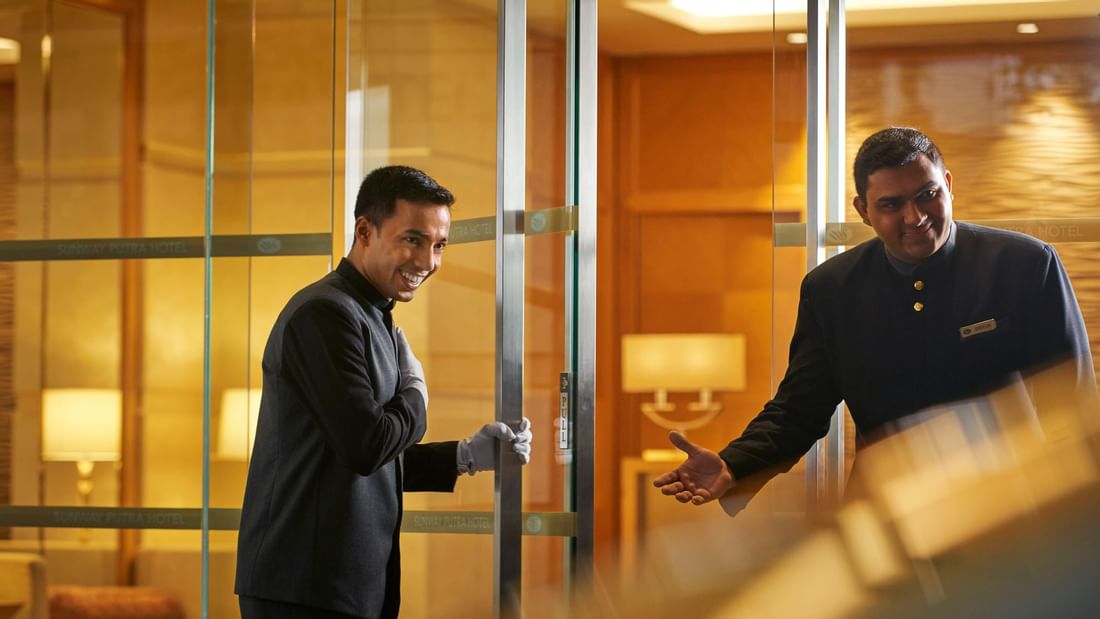
- Bell Staff and Valet: Small gestures like carrying luggage efficiently, anticipating guest needs, or providing local insights reinforce attentiveness and professionalism.
Every interaction matters. Hospitality is a holistic approach, and excellence in one area can compensate for minor shortcomings in another—but consistent warmth and attentiveness across the board is ideal.
6. Cultural Sensitivity and Global Hospitality
Hotels host guests from all over the world, each with unique expectations, customs, and communication styles. Staff hospitality includes understanding these differences and responding appropriately. Cultural sensitivity ensures guests feel respected and understood, which can be a decisive factor in overall satisfaction.
For instance:
- Understanding different tipping norms
- Recognizing dietary restrictions or preferences
- Communicating politely despite language barriers
Staff trained in cultural competency are better equipped to provide memorable, stress-free experiences for international guests. This is increasingly important as globalization and travel accessibility grow.
7. Problem-Solving: Hospitality in Action
Even the most luxurious hotel can have operational hiccups: delayed check-ins, maintenance issues, or booking errors. The difference between a frustrating experience and a positive one often lies in staff response.
Hospitality is measured most acutely in how problems are handled. Key elements include:
- Promptness: Quickly acknowledging and addressing issues
- Empathy: Showing understanding and concern
- Solution-oriented mindset: Offering alternatives or upgrades
- Communication: Keeping the guest informed throughout the process
A staff member who navigates challenges gracefully can turn a potentially negative situation into an opportunity to demonstrate care, leaving the guest impressed rather than disappointed.
8. Hospitality and Brand Loyalty
Exceptional staff hospitality drives repeat business. Guests are more likely to return to a hotel where they feel welcomed, appreciated, and understood. Beyond that, they often share their experiences through word-of-mouth or online reviews, which is invaluable marketing for hotels.
Consider the following dynamics:
- Guests tend to remember service experiences more than room aesthetics
- Positive interactions influence review scores and online ratings
- Loyalty programs gain traction when combined with genuinely attentive service
In essence, hospitality is an investment in long-term customer relationships.
9. The Role of Technology in Supporting Hospitality
Technology can enhance hospitality, but it cannot replace it. Digital check-in, mobile room keys, and AI-powered recommendations streamline convenience, freeing staff to focus on human interaction.
However, hotels that rely solely on technology without maintaining personal touches risk losing emotional connection with guests. The ideal scenario is synergy: technology supports staff, who then provide the nuanced, personalized experiences that guests value most.
10. Training and Empowering Staff
Delivering exceptional hospitality requires skill, knowledge, and emotional intelligence. Leading hotels invest in continuous training, covering:
- Communication skills and active listening
- Conflict resolution and problem-solving
- Cultural awareness and sensitivity
- Brand standards and consistency
Empowering staff to make decisions—such as offering a complimentary service or resolving a complaint on the spot—encourages proactive hospitality rather than rote service. Staff who feel confident and supported tend to engage guests more naturally and enthusiastically.
11. Hospitality in Boutique vs. Chain Hotels
The hospitality experience can differ depending on the type of hotel. Boutique hotels often emphasize intimate, personalized service with staff knowing guests by name. Chain hotels, while potentially larger and more standardized, maintain hospitality through structured training programs, loyalty perks, and consistency.
Both models illustrate that regardless of scale, the quality of staff interaction significantly shapes guest experience. Even in a grand luxury resort, a single indifferent staff encounter can overshadow the grandeur.
12. Measuring the Impact of Hospitality
The impact of hotel staff hospitality can be quantified indirectly through:
- Guest satisfaction surveys
- Online reviews and ratings
- Repeat bookings and loyalty program engagement
- Word-of-mouth referrals
Hotels with strong staff hospitality often report higher satisfaction scores, stronger brand perception, and better financial performance, proving that human connection is not just an emotional factor but a strategic business asset.
13. Memorable Stories of Exceptional Hospitality
Stories of extraordinary hospitality abound, illustrating its power. Examples include:
- A concierge arranging a surprise marriage proposal
- Housekeeping leaving a thoughtful note for a returning guest
- Front desk staff tracking down lost luggage quickly, easing a travel crisis
These experiences create emotional bonds that guests remember for years, highlighting how hospitality transcends basic service.
14. The Psychological Perspective
Hospitality taps into fundamental human psychology. Positive interactions release oxytocin, the “bonding hormone,” creating feelings of trust and comfort. Guests who experience genuine care are more relaxed, more likely to spend on additional services, and more inclined to form emotional connections with the brand.
On the flip side, negative interactions trigger stress responses, activating cortisol and reinforcing dissatisfaction. This illustrates why staff hospitality is more than politeness; it’s a powerful factor influencing perception, decision-making, and loyalty.
15. Future Trends in Hospitality
As travel evolves, so does the expectation for hospitality:
- Hyper-personalization: Using data insights to anticipate guest needs before they arrive
- Sustainable hospitality: Guests appreciate staff who can guide eco-conscious practices
- Experiential focus: Hotels offering curated experiences rely heavily on staff to deliver authentic connections
- Emotional intelligence training: Greater emphasis on empathy, active listening, and problem-solving
The future of hospitality will increasingly center on human connection, supported—but never replaced—by technology.
Conclusion
Hotel staff hospitality is not merely a nicety; it is the cornerstone of a memorable stay. From first impressions at check-in to the subtle gestures of housekeeping, attentive staff elevate every aspect of the guest experience. Exceptional hospitality shapes emotions, enhances satisfaction, encourages repeat visits, and ultimately drives the success of the hotel. In a world where amenities can be replicated, staff hospitality remains the defining differentiator. Next time you book a hotel, remember: the quality of human interaction you encounter may matter far more than the room itself.