











In recent years, plant-based milks have surged in popularity, transforming from a niche product into a mainstream option found in every supermarket aisle. From oat and almond to soy and coconut, there is now a variety of plant-based alternatives to cow’s milk, each offering unique flavors, textures, and nutritional profiles. But what’s driving this dramatic shift? In this article, we’ll explore the factors behind the rising demand for plant-based milks and the cultural, health, and environmental forces that are shaping this new dairy landscape.
A Shift in Consumer Preferences
The Rise of Veganism and Flexitarianism
One of the most significant factors contributing to the popularity of plant-based milks is the rise of veganism and the growing trend of flexitarianism. As more people adopt plant-based diets, either for ethical reasons or health benefits, dairy consumption is becoming less central to many people’s lives. Veganism, which avoids all animal products, has gained significant traction, with plant-based milk options serving as a primary substitute for cow’s milk in many recipes, beverages, and cereals.
Flexitarianism, the practice of eating predominantly plant-based foods while occasionally consuming animal products, has also driven demand for plant-based milk. Many people are now choosing plant-based alternatives like almond, oat, and rice milk, while still enjoying dairy products in moderation. This shift reflects a growing awareness about the environmental and ethical implications of animal agriculture, alongside a desire to improve overall health.
Changing Attitudes Towards Dairy
In parallel with these dietary shifts, there has been a change in how consumers perceive dairy. With increasing awareness of lactose intolerance and milk allergies, many individuals are moving away from traditional cow’s milk as they seek out options that don’t cause digestive issues. Lactose intolerance is especially prevalent among non-European populations, prompting the search for alternatives that provide the creamy texture and nutritional benefits of dairy without the discomfort.
In addition to lactose-related concerns, some people are choosing plant-based milks due to the growing debate over the ethical treatment of animals in factory farming. The dairy industry, often criticized for its treatment of cows, has pushed consumers to seek alternatives that align with their personal values of compassion and sustainability. With this mindset, plant-based milks provide a way to enjoy similar beverages without contributing to the perceived cruelty of industrial animal farming.
Health Benefits of Plant-Based Milks
Lower in Calories and Fat
For those looking to reduce their calorie and fat intake, many plant-based milks offer a healthier alternative to whole cow’s milk. While cow’s milk is a rich source of saturated fat and calories, many plant-based milks, like almond and cashew milk, contain far fewer calories and less fat, making them appealing for weight-conscious individuals. Unsweetened versions of these milks are particularly popular as they offer the creamy texture of dairy milk without the added sugar or fat.
Oat milk, another popular alternative, is often chosen for its naturally sweet taste, which makes it ideal for coffee, smoothies, and baked goods. Despite its slightly higher carbohydrate content, oat milk is rich in beta-glucan, a type of soluble fiber that has been shown to help lower cholesterol levels and improve heart health.
Dairy-Free Nutrition

For people who are lactose intolerant or allergic to dairy, plant-based milks offer a safe alternative that doesn’t compromise on nutrition. Many plant-based milks are fortified with essential vitamins and minerals like calcium, vitamin D, and B12, which are typically found in dairy products. Fortification ensures that individuals who eliminate dairy from their diet can still meet their nutritional needs without having to rely on supplements.
Moreover, plant-based milks like soy and almond milk provide a source of protein, which is important for muscle repair, immune function, and overall health. While soy milk contains a similar amount of protein to cow’s milk, other plant-based alternatives, such as rice and coconut milk, have lower protein levels but still offer a variety of other health benefits.
For those with specific dietary needs, such as gluten-free or low-carb diets, there are options like coconut milk or almond milk that can fit seamlessly into a variety of meal plans without the risk of triggering adverse reactions.
Digestive Health and Gut Benefits
Digestive health is another key reason many individuals are opting for plant-based milks. Cow’s milk contains lactose, which can be difficult for some people to digest, leading to bloating, cramps, and other gastrointestinal discomforts. For individuals with lactose intolerance, plant-based milks offer a digestive-friendly alternative that can be consumed without issues.
Furthermore, certain plant-based milks, like coconut milk, are rich in healthy fats such as medium-chain triglycerides (MCTs), which are known for supporting gut health and improving digestion. These fats are easily absorbed by the body and may help promote a healthy balance of bacteria in the gut, contributing to overall digestive wellness.
Environmental Considerations
Sustainability and Lower Carbon Footprint
The environmental impact of animal agriculture has been a hot topic in recent years, and many consumers are looking for more sustainable options when it comes to food and beverages. Cow’s milk production requires significant amounts of water, land, and feed, and it produces high levels of greenhouse gases such as methane. In contrast, plant-based milks have a much lower carbon footprint.
Almond milk, for example, requires less water and land than dairy milk, although concerns about water usage in almond farming have been raised in regions with water scarcity. Oat milk is often heralded as one of the most environmentally friendly plant-based milks, as it requires fewer resources and has a smaller environmental impact overall. With its growing popularity, oat milk is often considered a win-win for both consumers and the planet.
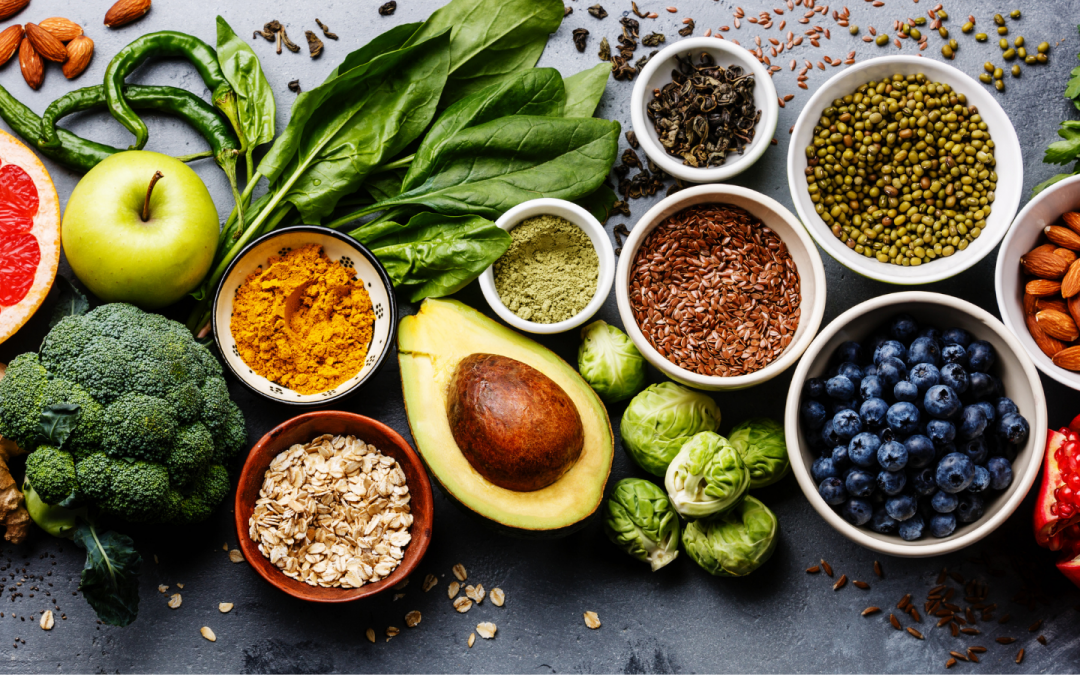
In addition to their lower environmental impact, plant-based milks are often produced with more sustainable farming practices. Many brands focus on organic and non-GMO ingredients, which appeal to eco-conscious consumers who are concerned about pesticide use, soil health, and biodiversity.
Reducing Water Usage
One of the most compelling reasons to opt for plant-based milk is the significant reduction in water usage. The production of cow’s milk is notoriously water-intensive, with estimates suggesting it takes approximately 1,000 liters of water to produce just one liter of dairy milk. In comparison, plant-based milks such as almond or oat require far less water to produce, making them a more eco-friendly choice.
For example, producing one liter of almond milk requires about 300 liters of water, significantly lower than the water required for dairy milk. Oat milk, another environmentally friendly option, requires even less water, making it a particularly sustainable choice.
Ethical Considerations
In addition to environmental concerns, the ethical treatment of animals in dairy farming has also played a role in the rising popularity of plant-based milks. Factory farming practices, which are common in the dairy industry, have raised significant concerns about the treatment of animals, including cows being kept in overcrowded conditions and subjected to practices that many consider inhumane.
As more people become aware of these ethical issues, many are choosing plant-based milks as a way to avoid supporting an industry that they believe contributes to animal cruelty. Plant-based alternatives allow consumers to enjoy the taste and texture of milk without the moral dilemmas associated with animal-based products.
Flavor and Versatility
A Plethora of Choices
One of the reasons plant-based milks have gained such widespread appeal is the variety of flavors available. Whether you’re looking for the nutty flavor of almond milk, the creamy texture of oat milk, or the subtle taste of coconut milk, there’s an option to suit every palate. For those who enjoy flavored beverages, there are also plant-based milks available in vanilla, chocolate, and even matcha flavors.
In addition to being versatile in flavor, plant-based milks can be used in a wide variety of culinary applications. They work well in smoothies, baked goods, coffee, and even savory dishes like soups and sauces. For those looking to substitute dairy in cooking and baking, plant-based milks are a perfect alternative, offering similar textures and flavors while being more health-conscious and environmentally friendly.
Coffee Culture and Lattes
Another factor driving the popularity of plant-based milks is their growing use in coffee culture. Baristas have embraced alternatives like oat and almond milk for creating creamy, frothy lattes and cappuccinos. Oat milk, in particular, has become a favorite in coffee shops due to its ability to froth and create a rich, velvety texture, making it the go-to option for many coffee drinkers.
Many coffee enthusiasts prefer the taste and texture of plant-based milks over dairy, especially as these alternatives blend more seamlessly with coffee than they did in the past. The growing number of coffee chains and independent cafes offering plant-based milk options has made it easier than ever for consumers to choose a non-dairy alternative when ordering their favorite drink.
Conclusion: The Future of Plant-Based Milks
The rising popularity of plant-based milks is a multifaceted trend driven by changing consumer values, health-conscious choices, environmental awareness, and the growing demand for vegan and flexitarian options. With their health benefits, sustainability, and versatility, plant-based milks are no longer just a niche product—they are here to stay.
As more people seek alternatives to traditional dairy, the future of plant-based milks looks bright. Innovations in flavors, textures, and nutritional content will continue to drive consumer interest, while the environmental and ethical considerations surrounding dairy farming will encourage further exploration of plant-based alternatives.
For those looking to reduce their carbon footprint, improve their health, or support ethical practices, plant-based milks offer an accessible and delicious option that aligns with modern consumer values.