







Tea and desserts have a long-standing relationship that transcends cultures, from the refined tea time in England to the elaborate Chinese tea ceremonies. While both tea and desserts are delightful on their own, pairing them together can elevate the overall experience, creating a harmonious balance of flavors, textures, and aromas. In this article, we’ll explore the best ways to pair tea with desserts, providing you with essential insights into flavor profiles, techniques, and suggestions that will help you craft the perfect tea-dessert combinations.
Understanding the Basics of Tea and Dessert Pairings
Before diving into specific tea and dessert pairings, it’s crucial to understand the basic principles of how flavors interact. The key is balance—teas and desserts should complement one another without one overpowering the other. Several factors contribute to the success of a tea-dessert pairing, including the tea’s strength, flavor profile, and aroma, as well as the sweetness, richness, and texture of the dessert.
There are five primary types of tea: white, green, oolong, black, and herbal. Each type of tea has its own unique set of flavor characteristics, ranging from light and floral to rich and malty. Desserts, on the other hand, can range from light fruit-based options to rich, creamy pastries. A good pairing will consider both the tea’s and the dessert’s elements and find a balance that brings out the best in both.
The Art of Pairing Tea with Desserts
When pairing tea with desserts, there are several guiding principles to follow. Here’s a breakdown of the key elements to keep in mind:
1. Flavors and Aromas:
The flavor profile of the tea should complement or contrast with the flavor of the dessert. For example, a delicate floral tea might pair beautifully with a light lemon cake, while a robust black tea could be the perfect match for a rich chocolate dessert. Pay attention to how the tea’s aroma interacts with the scent of the dessert as well.
2. Sweetness:
Tea and desserts should be in harmony when it comes to sweetness. If your dessert is very sweet, opt for a stronger, more robust tea that can stand up to the sugar. For lighter, less sweet desserts, a more delicate tea will allow the flavors to shine without becoming overwhelmed.
3. Richness and Texture:
Consider the texture and richness of both the tea and the dessert. Rich, creamy desserts, like cheesecakes or chocolate mousse, pair well with teas that have a full-bodied flavor to balance their heaviness. Lighter, airier desserts, like sponge cakes or fruit tarts, are better suited for lighter teas.
4. Temperature:
The temperature of both tea and dessert plays a role in the pairing. A piping hot cup of tea can be overwhelming with a cold, creamy dessert, while iced tea might not be the best choice for something rich and warm. Find the right balance to ensure both elements are enjoyed at their best.

Tea and Dessert Pairing Suggestions
Now that we have a solid understanding of the principles, let’s dive into some specific tea and dessert pairings to inspire your next tea-time adventure.
1. Black Tea & Rich Desserts
Black tea is full-bodied and robust, making it the perfect match for rich, decadent desserts. The bold flavor of black tea can cut through the sweetness and heaviness of creamy, chocolatey treats, providing a refreshing contrast that enhances the overall experience.
- Pairing Ideas:
- Chocolate Cake – The strong, malty flavors of a traditional English Breakfast or Assam tea are ideal companions for a rich, fudgy chocolate cake.
- Cheesecake – A creamy, tangy cheesecake pairs wonderfully with Darjeeling tea, whose slightly astringent, floral notes provide a lovely contrast to the richness of the dessert.
- Tiramisu – A cup of strong, spiced Chai or Ceylon tea pairs well with the coffee-soaked layers of tiramisu, balancing the dessert’s richness with warmth and spice.
2. Green Tea & Light Desserts
Green tea is known for its subtle, fresh flavor, with grassy, vegetal notes and a smooth finish. It pairs beautifully with light, refreshing desserts that won’t overwhelm its delicate character. The slightly bitter taste of green tea also works well to balance the sweetness of lighter desserts.
- Pairing Ideas:
- Lemon Cake – The citrusy notes of green tea, particularly a Japanese Sencha or a fragrant Jasmine green tea, complement the fresh, zesty flavors of a lemon cake or lemon bars.
- Matcha-flavored Desserts – If you’re serving a matcha dessert, such as matcha cookies or matcha-flavored ice cream, a cup of matcha green tea (or hojicha, roasted green tea) is a natural pairing that enhances the flavors of the dessert.
- Fruit Tart – Green tea’s natural earthiness and subtle sweetness pair beautifully with fruit tarts, especially those with berries or citrus fruits.
3. Oolong Tea & Nutty or Spicy Desserts
Oolong tea, with its complex flavor profile ranging from floral and fruity to toasted and nutty, is an excellent choice for pairing with desserts that feature nuts, spices, or roasted elements. Oolong teas can also offer a balance between the lightness of green tea and the richness of black tea.
- Pairing Ideas:
- Almond Cake – The roasted, nutty flavors of a lightly oxidized oolong like Tie Guan Yin (Iron Goddess) complement the almond notes in an almond cake or marzipan-based dessert.
- Spiced Apple Pie – Oolong’s floral and slightly sweet notes provide a contrast to the warm, spiced flavors of apple pie, bringing out the cinnamon, nutmeg, and caramelized apple notes.
- Baklava – The honeyed sweetness of baklava pairs excellently with the complexity of a darker oolong, such as Wuyi Rock Oolong, with its roasted undertones.
4. Herbal Tea & Fruit-based Desserts
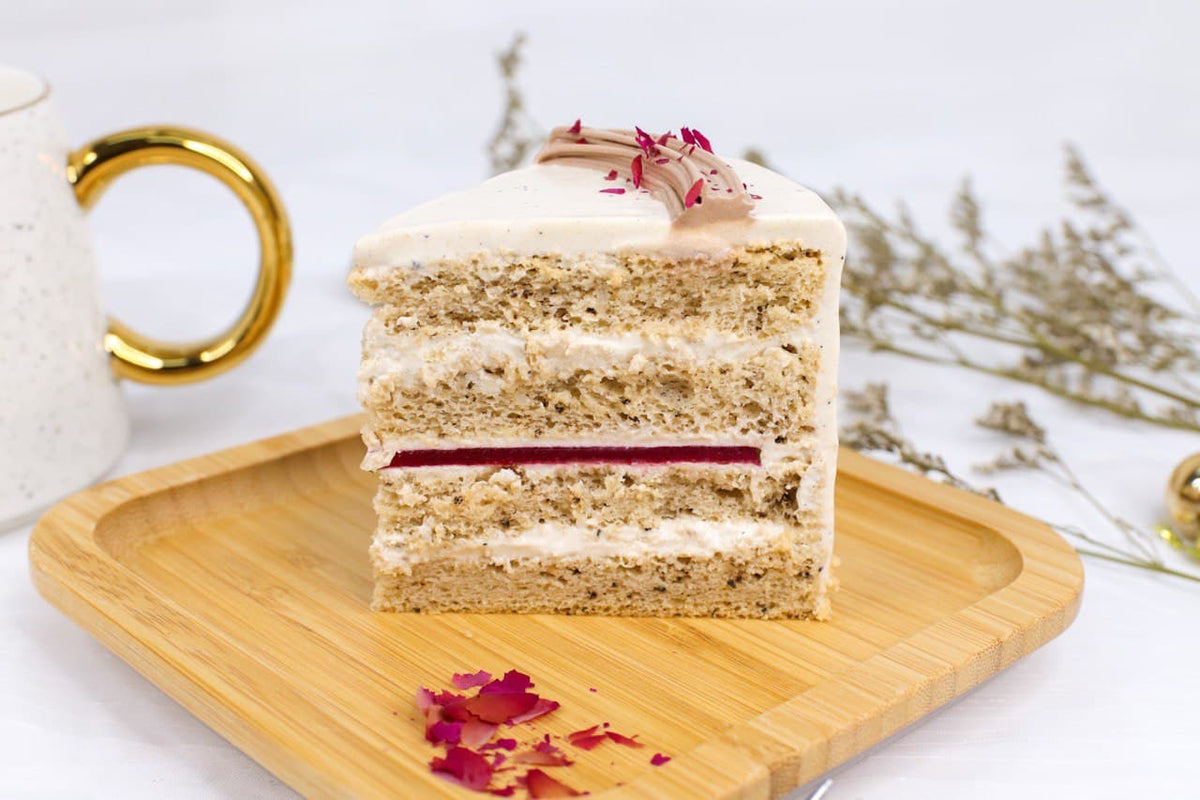
Herbal teas are naturally caffeine-free, and their wide variety of flavor profiles makes them ideal for pairing with fruit-based desserts. Herbal teas like chamomile, peppermint, and rooibos offer light, aromatic notes that complement the natural sweetness and acidity of fruit.
- Pairing Ideas:
- Apple Crisp – A cup of chamomile tea with its calming floral notes pairs beautifully with a warm apple crisp, bringing out the sweetness of the apples while balancing the spice.
- Berry Sorbet – Rooibos tea, with its naturally sweet and slightly woody flavor, enhances the freshness of berry sorbet or a mixed berry compote.
- Lemon Meringue Pie – Peppermint tea works wonders with a tangy lemon meringue pie, its cool, minty notes offering a refreshing contrast to the tartness of the lemon filling.
5. White Tea & Delicate Desserts
White tea, the most delicate of all teas, has a subtle, light flavor with sweet, floral notes. It pairs best with desserts that are equally delicate, allowing both the tea and the dessert to shine without overpowering one another.
- Pairing Ideas:
- Shortbread Cookies – A light, buttery shortbread cookie complements the smooth, gentle flavor of white tea, such as Bai Mu Dan or Silver Needle.
- Panna Cotta – The subtle sweetness and silky texture of panna cotta are a perfect match for the delicate flavor of white tea, particularly with floral infusions like jasmine white tea.
- Macarons – White tea pairs wonderfully with the light, airy texture of macarons, especially when they’re filled with flavors like vanilla, pistachio, or lavender.
Tips for Crafting the Perfect Tea and Dessert Experience
To elevate your tea and dessert pairing experience, keep the following tips in mind:
- Serve the Tea at the Right Temperature: Tea should be served at the appropriate temperature to unlock its full flavor potential. For delicate teas like white and green, serve at a lower temperature (around 160–180°F), while black and oolong teas are best served at higher temperatures (around 200–212°F).
- Consider the Order of Pairings: Start with lighter teas and desserts, and gradually move toward stronger, more robust combinations. This ensures that the more delicate flavors don’t get overwhelmed by stronger teas or sweeter desserts.
- Experiment with Flavor Profiles: Don’t be afraid to get creative with your pairings. While traditional combinations are often reliable, some of the best pairings come from unexpected combinations, like pairing a smoky tea with a tangy fruit dessert or a floral tea with a spicy dessert.
- Presentation Matters: Set the stage with an aesthetically pleasing tea and dessert display. The colors, textures, and aromas of both the tea and dessert should be visually appealing, enhancing the sensory experience.
Conclusion
Pairing tea with desserts is both an art and a science. Understanding the basic principles of flavor, texture, and aroma can help you craft harmonious combinations that elevate your tea-drinking experience. Whether you’re indulging in rich chocolate desserts with a strong black tea or enjoying a light fruit tart with a refreshing green tea, the possibilities are endless. Experiment, explore, and enjoy the wonderful world of tea and desserts.