









In an age of constant connectivity, digital transformation, and interactive media, the boundaries between real life and storytelling have become increasingly ambiguous. What was once considered a clear distinction between the world of fiction and the reality we experience every day is now much harder to define. The rise of social media, immersive virtual environments, and narrative-driven content has prompted us to reconsider what constitutes “real” and what belongs to the realm of storytelling.
The Power of Narrative
At its core, storytelling has always been a human endeavor. Since the dawn of language, humans have used stories to make sense of their world, convey cultural values, and pass down wisdom. From cave paintings to Shakespeare, from oral traditions to the modern cinema, storytelling has evolved across time and technology. Yet the nature of stories themselves has changed dramatically in the digital age, and they have, in some ways, become more inseparable from our reality.
The ability of stories to influence and reflect real life is nothing new. In fact, they have always shaped our beliefs, opinions, and even our identities. However, the way we engage with stories today is fundamentally different from how we did in the past. In the modern world, storytelling is more interactive, participatory, and personalized, bringing us to a new juncture in the relationship between “reality” and “fiction.”
Social Media: A Storytelling Platform
Social media platforms like Instagram, TikTok, and Twitter have transformed how we present and perceive our lives. Our lives, curated and shaped by the stories we tell through posts, images, and videos, often blur the line between the real and the fictional. People create narratives around their everyday actions, from the way they dress to the food they eat, to their thoughts and opinions on current events. Even more than traditional media, social media platforms empower individuals to become both creators and audiences of their own stories.
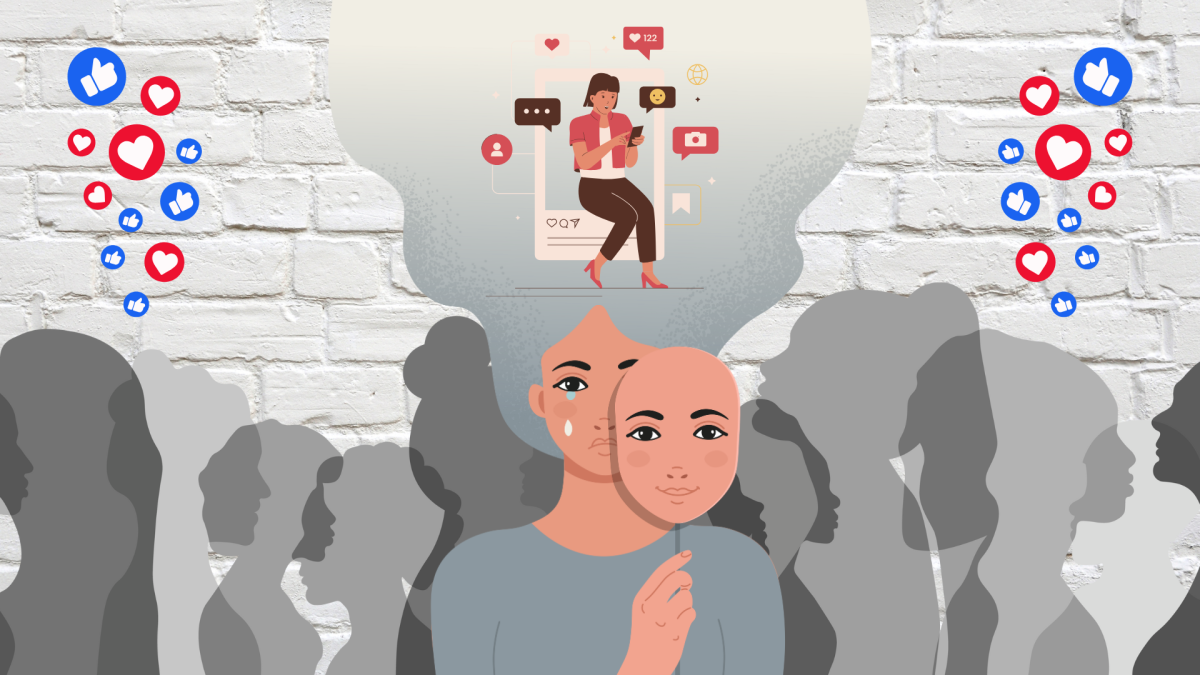
But is this “storytelling” reflective of real life, or does it create a fictional version of the self? The curated, highly stylized nature of many social media profiles, where users choose to highlight certain aspects of their lives and downplay others, creates an altered version of reality. These profiles, whether consciously or unconsciously, turn life into an ongoing narrative, where every post contributes to the larger story of who we are and how we want to be perceived.
In this way, social media allows us to both perform and consume stories simultaneously. It’s no longer just a passive consumption of someone else’s narrative. Instead, each user becomes a participant in their own storytelling process. The stakes of this “personal brand” storytelling can be high: people actively shape how they want to be viewed by others, often blurring the line between genuine experience and a constructed narrative.
The Rise of Reality TV and Influencer Culture
Reality TV and influencer culture, while not entirely new phenomena, have become much more entrenched in the last decade. Reality television, in particular, has fueled this shift by blurring the lines between authentic life and scripted content. Shows like Keeping Up with the Kardashians and The Real Housewives have popularized the idea of “real life” as something that can be commodified and packaged for entertainment. Viewers are invited into the “real” lives of celebrities, yet many of these lives are heavily produced, scripted, and edited for dramatic effect.
Similarly, influencers—who often blur the line between a “real person” and a “brand”—capitalize on their perceived authenticity. Whether they are promoting products, sharing personal stories, or documenting their day-to-day experiences, influencers create narratives that are both relatable and aspirational. Yet, these stories are often a carefully curated version of reality. In some cases, influencers even create entire story arcs about their lives, which may or may not be entirely accurate, in order to generate engagement or drive sales. The end result is a continuous blending of real events and narrative fiction, where the viewer is left unsure where one ends and the other begins.
Immersive Experiences and Video Games
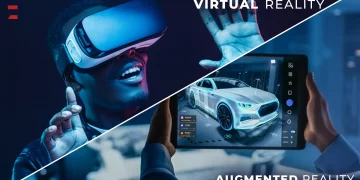
Video games have long been a medium through which we escape reality and enter fictional worlds. However, recent innovations in gaming—particularly in virtual reality (VR), augmented reality (AR), and online multiplayer games—are making the line between real life and digital experiences increasingly difficult to distinguish.
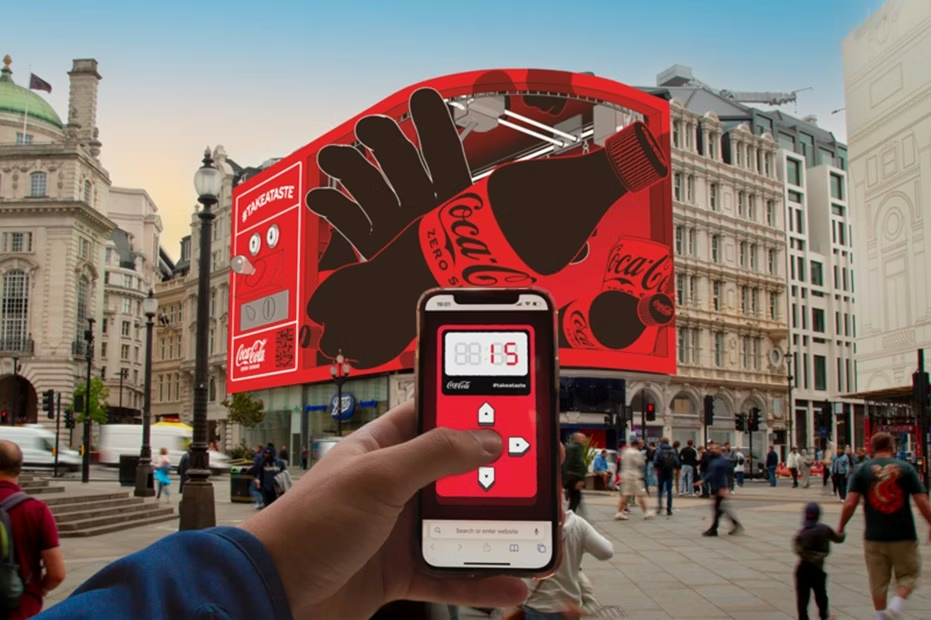
Games like The Sims, Second Life, and Minecraft allow players to create and interact with worlds that resemble reality. The introduction of VR and AR technologies further deepens this immersion, creating experiences where the physical world and the virtual world coexist in a way that feels seamless. For example, in VR, a player can walk through a digital environment, interacting with objects and people, experiencing a “story” in a way that feels intensely real.
These immersive experiences aren’t just limited to entertainment. The advent of virtual worlds has allowed for the creation of entire online societies, where people live out second lives, forming friendships, careers, and relationships within the confines of a game. The boundary between “real” life and “virtual” life is increasingly fluid in these environments, creating a hybrid reality that complicates the distinction between fact and fiction.
The Influence of Artificial Intelligence

Artificial intelligence (AI) also plays a growing role in blurring the line between real life and storytelling. AI-powered tools, such as deepfakes, chatbots, and synthetic media, are enabling the creation of hyper-realistic digital content. A deepfake video, for example, can place someone’s face on another person’s body, making it appear as though they said or did something they never did. With the rapid advancement of these technologies, it’s becoming increasingly difficult to discern what’s real and what’s fabricated.
AI is not just altering the way we perceive reality in terms of media consumption, but it is also reshaping storytelling itself. Machine learning algorithms can now generate original narratives, write scripts, and even compose music that mimics human creativity. With these tools at our disposal, it’s possible to create entirely new worlds, characters, and plotlines that feel real but are entirely fictional.
As AI-generated content becomes more prevalent, the question arises: How do we trust the authenticity of the information we encounter? If we can no longer trust our eyes and ears, does that mean we’re living in a world where reality itself is just another form of storytelling?
The Role of Journalism and Fake News
Journalism, too, is not immune to this blurring of lines. The rise of fake news and misinformation has significantly complicated our understanding of truth and fiction in the media. News outlets, particularly in the digital age, are often accused of sensationalizing stories or presenting biased narratives that blur the lines between facts and interpretation. As media consumption becomes more personalized through algorithms, people are increasingly exposed to stories that align with their own biases, rather than objective truths.
Journalism, at its core, is supposed to tell the truth, yet modern media landscapes often shape reality into a story that suits particular political, social, or economic agendas. The boundary between fact and fiction becomes harder to discern, and the question arises: Is this a failure of journalism, or a natural evolution of storytelling in a modern context?
Philosophical Implications: Is Reality Just a Story?
The growing overlap between real life and storytelling forces us to reconsider deeper philosophical questions about the nature of reality itself. As we become more immersed in stories—whether through social media, video games, or AI-generated content—do we begin to question what’s truly “real”? Does reality even have a fixed definition, or is it simply a narrative we construct based on our perceptions and experiences?
This blurring of boundaries also challenges traditional ideas of truth. If our lives can be shaped by stories, and if storytelling can create new realities, then where do we draw the line between fact and fiction? What happens when we become the authors of our own narratives, both in real life and in the digital world?
For many, this shift can be disorienting. The world we inhabit increasingly feels like a grand, interactive story where each of us is both a participant and a storyteller. Reality, as we once understood it, is no longer a static, unchanging truth but a fluid construct, subject to constant revision and interpretation.
Conclusion
The line between real life and storytelling is indeed becoming more blurred. As digital technology continues to evolve, we find ourselves living in a world where the boundaries between reality and fiction are not just being questioned—they are being actively reshaped. Social media, reality TV, video games, and AI are all contributing to a new form of narrative where truth is flexible and experiences are ever more customizable.
This blending of real life and storytelling opens up exciting possibilities for creativity and expression, but it also challenges us to think critically about the role stories play in our lives. As we navigate this new reality, we must ask ourselves: What is the value of truth in a world where reality itself seems to be constantly rewritten? And as storytellers of our own lives, how do we navigate the blurred lines between the stories we tell and the reality we live?