











In the journey of human history, one constant has been the power of stories. Whether shared around a campfire, recited through generations, or told in written form, stories have been our guide through the complexities of the human condition. But stories do more than entertain—they shape the very fabric of our morality. From fairy tales to modern novels, the stories we tell ourselves reflect the ethical landscapes we navigate. They serve as mirrors of our virtues and vices, shaping our understanding of right and wrong, good and evil.
This article will explore how stories shape our morality, examining their impact on our individual ethics, collective values, and social behavior. We’ll delve into the psychological and philosophical mechanisms behind storytelling, how morality is embedded in narratives, and the ways in which these stories evolve with societal changes.
The Psychological Power of Stories
Stories have an undeniable emotional resonance that impacts how we perceive the world. They allow us to inhabit the lives of others, experience their joys, sorrows, triumphs, and failures. This immersive quality helps develop empathy—an essential component of moral reasoning. When we follow a character’s journey, we understand their choices, even if we don’t always agree with them. This emotional engagement can lead to a shift in perspective, making us more attuned to the complexities of moral dilemmas in real life.
Consider the example of To Kill a Mockingbird. The novel’s portrayal of racial injustice through the eyes of Scout Finch, a young girl, helps readers—especially those who have not experienced such prejudice personally—develop a more nuanced understanding of racism and empathy for those who suffer from it. The emotional weight of Scout’s perspective helps us internalize the moral lesson of the story: the importance of standing up for justice, even when it is difficult or unpopular.
Psychologically, stories function as moral laboratories. We encounter a variety of moral conflicts, dilemmas, and resolutions through stories. These scenarios allow us to experiment with different ethical outcomes in a low-risk setting. This is particularly true in literature, where a character might face a choice between good and evil, or where a moral lesson is embedded in the plot’s resolution. In this way, stories offer both the opportunity for moral exploration and a model for action.
Morality Through Archetypes and Narrative Structures
One of the most effective ways stories communicate moral lessons is through archetypes—universal characters and themes that transcend cultural boundaries. These archetypes represent fundamental human experiences, such as the hero’s journey, the trickster, the mentor, or the villain. Each archetype carries a set of moral implications that help shape our understanding of good and evil.
Take, for example, the classic hero. The hero’s journey, as defined by Joseph Campbell in his monomyth theory, follows a predictable pattern: the hero sets out on an adventure, faces trials, and ultimately returns transformed, often bringing back wisdom or some form of moral insight. This narrative structure underscores the idea that personal growth and moral development are intertwined. The hero’s transformation is not just physical but moral as well, highlighting the importance of perseverance, courage, and wisdom in navigating the challenges of life.
On the flip side, the villain archetype often embodies moral failings. Villains tend to act out of selfishness, greed, or malice, and their actions result in harm to others. The villain’s eventual defeat or downfall serves as a moral lesson: that bad actions are ultimately self-destructive and lead to negative consequences. From classic fairy tales to modern superhero stories, the battle between good and evil remains central to how we understand moral concepts.
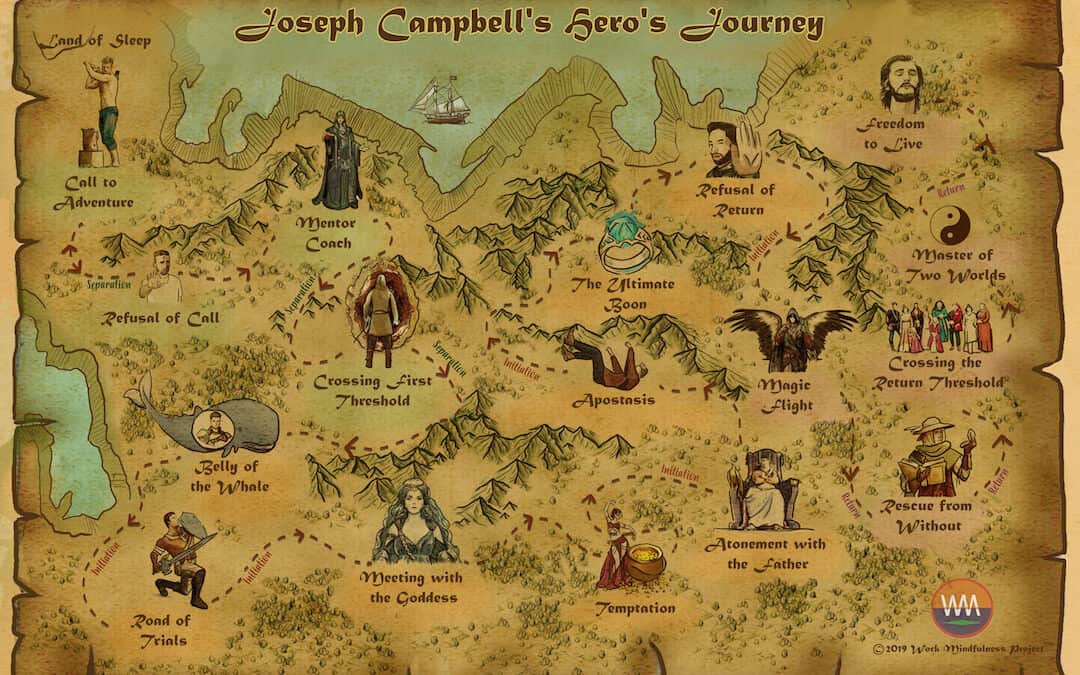
Through these archetypes, stories create a framework for understanding morality. They allow us to see the consequences of different moral paths—whether through the hero’s virtuous choices or the villain’s moral transgressions. In this way, narratives function as a kind of moral education, guiding us to reflect on our values and choices.
The Cultural and Social Role of Stories
While stories shape individual morality, they also play a crucial role in forming collective ethical frameworks. The narratives we embrace as a society help define the values that are upheld in that culture. These shared stories create a sense of community and common understanding, reinforcing the norms and principles that govern social behavior.
Take, for instance, the myths and legends of ancient civilizations. The stories of Greek gods, Roman heroes, or Native American trickster figures were not just entertaining tales—they were moral instructions for how to live within a particular social order. In ancient Greece, myths about gods and heroes like Hercules or Odysseus conveyed moral lessons about bravery, loyalty, and honor, which were considered foundational to Greek identity.
In more modern societies, stories continue to function as a tool for reinforcing social norms. Television shows, films, and literature often address issues of justice, fairness, and equality, helping to create a shared ethical understanding. Consider the way that popular media, such as superhero films, often grapple with questions of responsibility, power, and justice. Characters like Spider-Man or Superman are not only entertaining, but they also represent moral ideals that influence how society views concepts of right and wrong.
At a collective level, stories can also challenge existing moral structures. In times of social change, narratives often play a key role in reshaping public perceptions of issues like race, gender, and inequality. For example, works like The Handmaid’s Tale or The Color Purple use storytelling as a tool to critique oppressive social systems and inspire moral reflection and reform.
Stories and Moral Development in Children
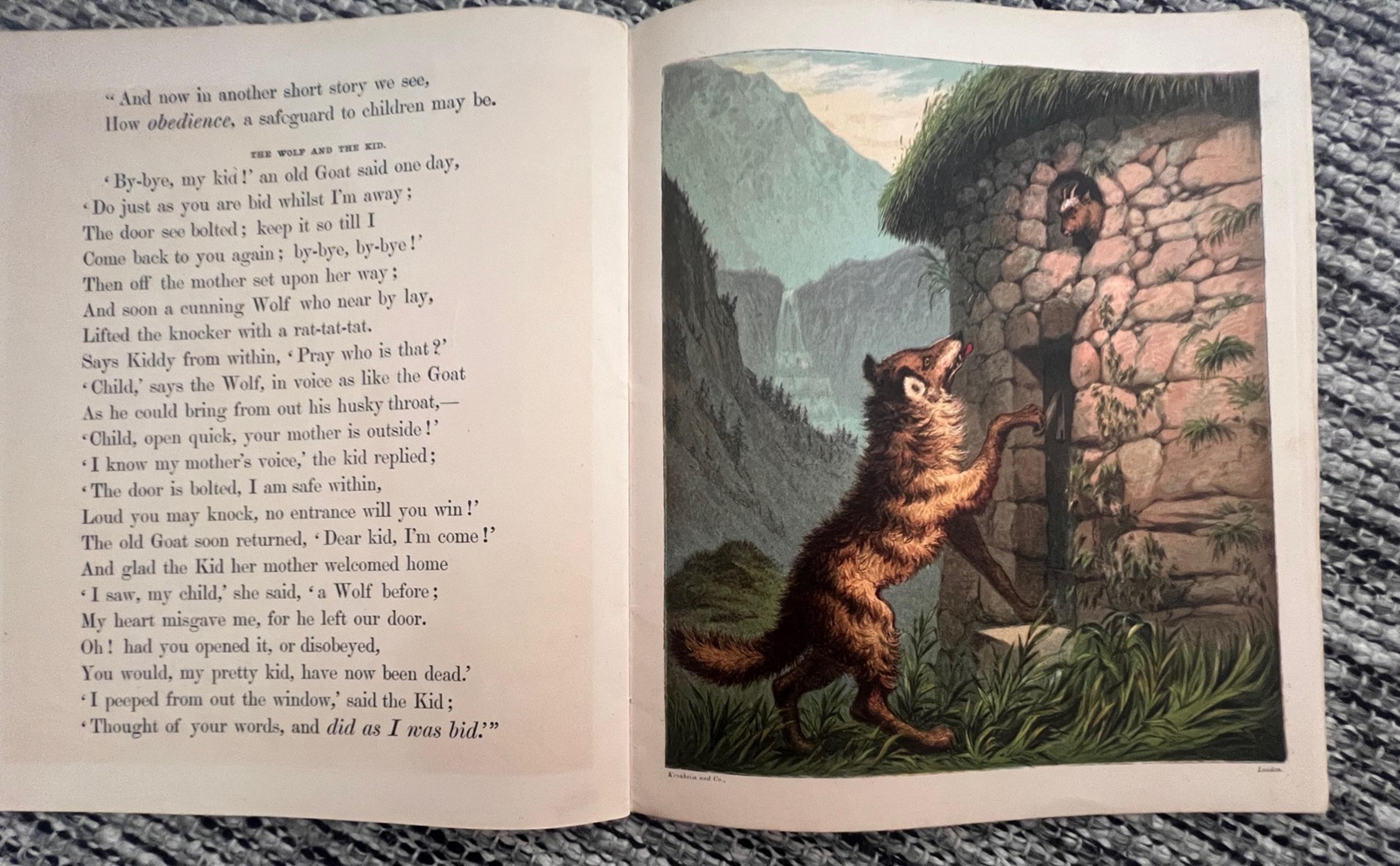
For children, stories are an essential tool in moral development. Fairy tales, fables, and children’s literature often introduce key moral concepts like kindness, honesty, and the importance of friendship. The characters in these stories often model desirable behaviors or illustrate the consequences of bad choices, providing young readers with a moral blueprint for navigating their own lives.
Fairy tales, despite their sometimes grim endings, often present clear moral lessons. In Cinderella, for instance, the protagonist’s kindness and patience are rewarded, while her stepmother’s cruelty is punished. These stark moral contrasts are simplified for children to grasp, helping them internalize concepts of fairness and justice.
Fables, often attributed to Aesop, take this one step further by providing short stories that emphasize moral lessons directly. In The Tortoise and the Hare, the slow and steady tortoise wins the race, teaching the value of persistence and humility over arrogance. Through these simple, yet profound, narratives, children begin to understand that their actions have consequences and that certain behaviors are more virtuous than others.
These early moral lessons set the foundation for more complex ethical reasoning as children grow. As children are exposed to a broader range of stories, they begin to navigate more intricate moral dilemmas and understand that the world is not always divided into clear-cut categories of good and evil. Yet, these formative stories provide a moral compass that guides their development into responsible, empathetic adults.
Storytelling as a Reflection of Moral Change
As society evolves, so too do the stories we tell. Stories not only reflect existing moral standards but also influence them. Over time, they adapt to address the changing values and concerns of society. For example, earlier fairy tales often reinforced traditional gender roles—Cinderella’s value was largely tied to her beauty and submissiveness, while her prince’s worth was defined by his power. However, as societal attitudes toward gender equality have shifted, so too have the roles in contemporary retellings of these tales.
The rise of feminist and multicultural literature has led to the creation of stories that challenge older, more limited moral frameworks. In modern adaptations of fairy tales, female protagonists like Brave’s Merida or Frozen’s Elsa redefine what it means to be a hero, emphasizing independence, self-reliance, and breaking free from prescribed gender roles. These new narratives are not just about changing the plot—they are about changing the moral lessons embedded in the story.
Similarly, stories that focus on social justice and human rights have become more prevalent, encouraging readers to question systemic inequalities and advocating for change. The Hate U Give, for instance, addresses themes of racial justice, police brutality, and activism, providing readers with a moral lens through which to understand these contemporary issues.
The Influence of Technology and New Media
With the advent of new media technologies, stories are no longer confined to books or films. Digital platforms, video games, and social media have introduced new ways to engage with narratives and explore moral themes. Interactive storytelling, where the audience’s choices directly influence the outcome of the narrative, allows individuals to grapple with moral decisions in real time. In video games like The Witcher 3 or Mass Effect, players are often faced with complex moral choices that have lasting consequences, giving them an opportunity to explore ethical dilemmas in an immersive, personalized way.
Social media platforms, with their constant stream of news, personal stories, and viral content, have created new avenues for storytelling that shape our collective morality. Hashtags like #MeToo or #BlackLivesMatter have spread powerful stories of personal experience, sparking global movements and encouraging people to confront long-standing moral issues like sexual harassment and racial injustice.
Conclusion
Stories are more than just entertainment—they are a powerful force in shaping our morality. Through their emotional engagement, archetypal characters, and cultural significance, stories teach us valuable lessons about right and wrong, justice and injustice, and personal responsibility. Whether we encounter these narratives in childhood or adulthood, through ancient myths or modern media, they offer a framework for understanding the complexities of human behavior and the ethical challenges we face.
As society continues to evolve, so too will the stories we tell. But one thing remains certain: storytelling will continue to be one of the most effective tools for transmitting moral wisdom, shaping individual and collective values, and guiding us toward a more just and empathetic world.