











Learning a new skill as an adult can seem like a daunting task, but it is not only possible, it is incredibly rewarding. Whether you want to pick up a new hobby, advance your career, or simply stay intellectually sharp, developing new skills opens up a world of opportunities. As adults, we face different challenges compared to younger learners: time constraints, prior commitments, and sometimes, a lack of motivation or confidence. However, with the right strategies, learning can be as enjoyable and fulfilling as it is for children. In this article, we will explore the best ways to learn a new skill as an adult, diving into scientifically-backed techniques, expert advice, and practical tips.
1. Understand Your Motivation: Why Are You Learning This Skill?
Before you embark on your journey to learn something new, it’s important to ask yourself one question: Why do I want to learn this skill? Understanding your motivation is crucial because it will help you maintain focus and drive when the going gets tough.
Are you learning for personal growth, for career advancement, or simply out of curiosity? Your motivation will guide the intensity and type of learning you undertake. For example, if you’re learning a new language for travel purposes, you might prioritize conversational skills over grammar perfection. If you’re learning coding to advance your career, you may need to dive deeper into structured learning platforms or formal education.
Tip: Write down your reasons for learning and refer back to them when you hit a roadblock.
2. Set Clear, Achievable Goals
One of the most effective ways to ensure progress when learning a new skill is to set clear and achievable goals. Instead of saying, “I want to learn to play the piano,” make your goal more specific, such as, “I want to learn how to play ‘Twinkle Twinkle Little Star’ by the end of the month.”
Break your larger goal down into smaller, manageable chunks. The process of achieving small wins will keep you motivated and prevent you from feeling overwhelmed.
Tip: Use the SMART method (Specific, Measurable, Achievable, Relevant, Time-bound) to create your learning goals.
3. Adopt a Growth Mindset
A growth mindset is the belief that intelligence and abilities can be developed with effort and practice. Carol Dweck, the psychologist who popularized the concept, emphasizes that those with a growth mindset embrace challenges and see failure as a stepping stone to mastery.
As adults, it’s easy to get discouraged when we hit a bump in the road. We might think, “I’m too old for this,” or “I’ll never be able to master this skill.” However, adopting a growth mindset allows you to view obstacles as opportunities for learning rather than signs of failure.
Tip: Remind yourself that learning a new skill is a process. Celebrate progress, not perfection.
4. Leverage Technology to Your Advantage
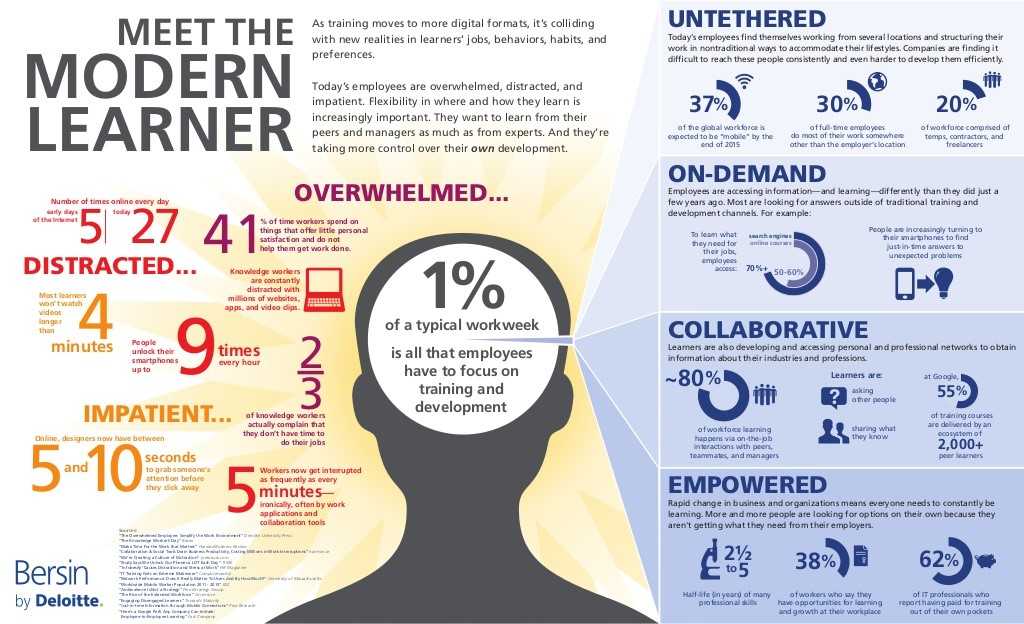
Gone are the days when learning something new meant attending in-person classes or reading thick textbooks. In today’s digital world, the internet offers a vast array of resources to suit different learning preferences.
- Online Courses: Platforms like Coursera, Udemy, and MasterClass offer structured courses on a variety of subjects. These courses often provide high-quality content from professionals in the field.
- YouTube: Free tutorials and videos cover almost any topic imaginable. You can learn everything from baking to graphic design by simply watching expert videos.
- Mobile Apps: For language learning, apps like Duolingo or Babbel offer gamified experiences, while apps like Skillshare or Khan Academy provide comprehensive learning in different areas.
- Podcasts and Audiobooks: Listening to podcasts and audiobooks while commuting or doing chores can help you absorb new information on the go.
Tip: Take advantage of these online tools to learn at your own pace and whenever you have time.
5. Practice Consistently
As the old saying goes, “practice makes perfect.” But the truth is, deliberate practice—focused, goal-oriented practice—is what leads to real mastery.
Learning a new skill requires repetition, but it also requires reflection. It’s not just about doing something over and over again; it’s about refining the process and learning from your mistakes.
Tip: Set aside dedicated time each day to practice. Even 15 minutes a day can make a big difference over time.
6. Find a Mentor or Join a Community
Humans are social learners, and finding a mentor or community can accelerate your learning process. A mentor is someone who has experience in the area you’re learning and can offer guidance, feedback, and support.
If a one-on-one mentor isn’t an option, consider joining online forums, social media groups, or local meetups related to your skill. Being part of a community of like-minded individuals can provide motivation, accountability, and a sense of camaraderie.
Tip: Don’t be afraid to ask for help. Sometimes the best way to learn is through others.
7. Use Spaced Repetition for Retention

One of the challenges adults face when learning a new skill is retaining information. Spaced repetition is a proven technique for improving long-term memory retention. It involves reviewing material at increasing intervals over time, which reinforces the neural connections that help you remember.
For example, if you’re learning a new language, you might review vocabulary words one day, then again three days later, a week later, and so on.
Tip: Use spaced repetition apps like Anki or Quizlet to help you memorize key concepts and terms.
8. Challenge Yourself with Real-World Application
Theory alone won’t help you master a new skill. You need to put what you’re learning into practice in the real world. If you’re learning to cook, try preparing meals for your family or friends. If you’re learning coding, start working on small projects.
Real-world application not only helps reinforce what you’ve learned but also boosts your confidence. When you can see tangible results from your efforts, it reinforces the value of your learning and motivates you to keep going.
Tip: Start small but aim for projects that stretch your abilities. They should be challenging but achievable.
9. Be Kind to Yourself: Manage Expectations
As adults, we often have a lot on our plates. Whether you’re balancing a full-time job, family responsibilities, or other obligations, learning a new skill can feel like one more item on an already packed to-do list. It’s essential to manage your expectations and be realistic about the time and energy you can commit.
Learning a new skill takes time, and progress may not always be linear. You might hit roadblocks, feel frustrated, or even want to give up. But remember that setbacks are normal parts of the learning process. The key is to stay patient and persistent.
Tip: Celebrate small victories and don’t be too hard on yourself. Every step forward counts!
10. Stay Curious and Keep the Fun Alive
Finally, the best way to learn any new skill is to make the process enjoyable. If you’re having fun, learning will feel less like a chore and more like a natural part of your routine. Stay curious, ask questions, and approach each new challenge with excitement rather than dread.
Learning should not just be about the end result, but about the journey itself. When you’re enjoying the process, you’re more likely to stick with it and develop mastery over time.
Tip: Try gamifying your learning experience or set up challenges for yourself. Keep the process fun and engaging!
In Conclusion
Learning a new skill as an adult doesn’t have to be intimidating. By setting clear goals, practicing consistently, using technology, finding support, and managing your expectations, you can effectively learn almost anything. The key is to stay curious, embrace the process, and remain patient with yourself. Remember, the most important part of learning is enjoying the journey, not just reaching the destination.
So, what’s the skill you’ve been meaning to learn? Whether it’s a new language, a musical instrument, or a technical skill, there’s no time like the present to get started!