










Long-term projects—whether academic, professional, or personal—often come with a mix of excitement and dread. At the outset, there’s a burst of motivation. The finish line seems far off, and you feel energized. But as weeks or months pass, maintaining that initial drive becomes more difficult. You might find yourself in a slump, staring at the never-ending to-do list, wondering how to muster the energy to keep going.
Staying motivated through a long-term project isn’t just about sheer willpower. It requires strategies to overcome distractions, boredom, and burnout. In this article, we will explore practical ways to stay motivated throughout the life of your project, without feeling overwhelmed or losing steam. Let’s dive in!
1. Set Clear, Achievable Goals
One of the primary reasons motivation wanes is the feeling of being lost or directionless. Long-term projects can be overwhelming if the end goal isn’t broken down into manageable tasks. This can result in procrastination, frustration, and a sense of helplessness.
How to overcome this?
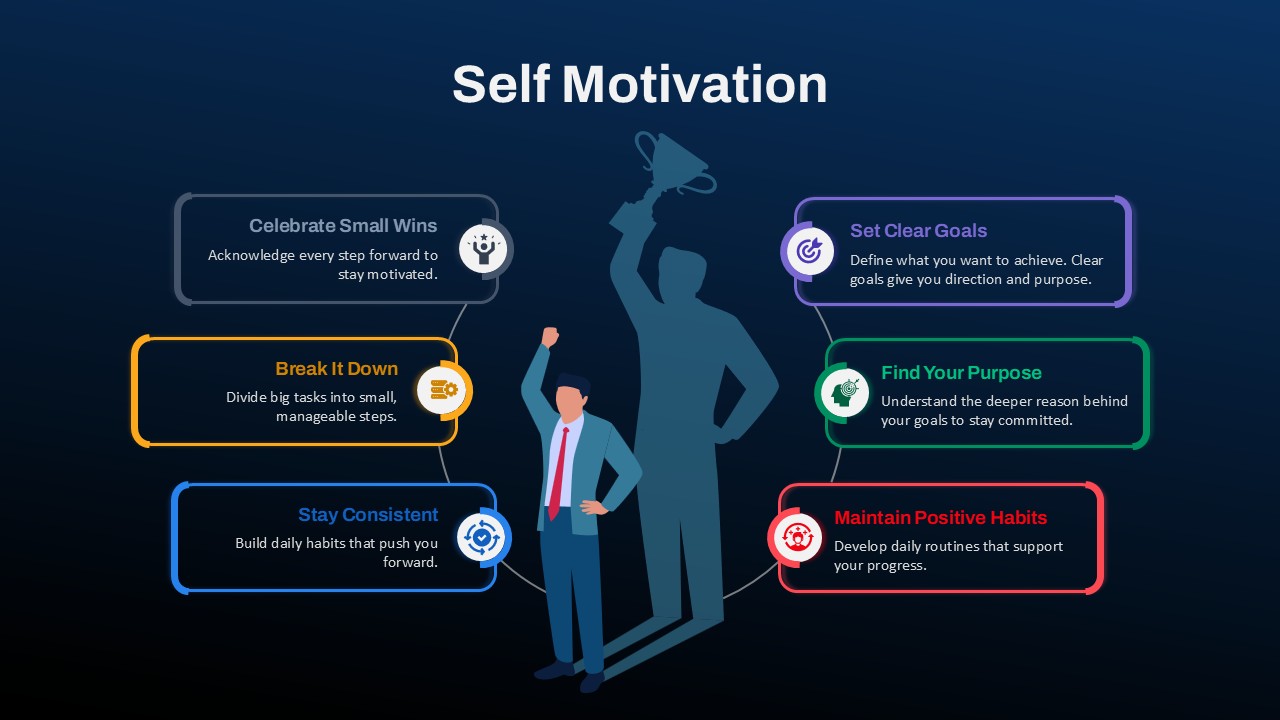
Set clear, concrete goals at every stage of the project. Instead of thinking about the final deliverable, focus on milestones that feel achievable. For instance, if you’re writing a research paper, aim to finish the literature review this week or gather all your data by a certain deadline. These small goals will give you something to celebrate along the way, and a sense of progress that will keep you moving forward.
SMART Goals:
A great way to structure your goals is using the SMART framework. Each goal should be Specific, Measurable, Achievable, Relevant, and Time-bound. This approach helps make your objectives clear and actionable.
2. Create a Timeline with Deadlines
A project timeline is your map to success. Without deadlines, it’s easy to let things drag on endlessly. Setting deadlines for individual tasks within the broader project will give you a sense of urgency. But remember—your timeline needs to be realistic.
How to design your timeline?
Start by estimating how much time each task will take, and pad it with some buffer time in case something goes wrong. Break down the project into phases and assign deadlines for each phase. For example, if you’re working on a website redesign, your timeline might look like this:
- Phase 1: Research and planning (Week 1-2)
- Phase 2: Design mockups and initial drafts (Week 3-4)
- Phase 3: Development and coding (Week 5-6)
- Phase 4: Testing and deployment (Week 7-8)
3. Divide the Project into Smaller Tasks
Long-term projects can feel daunting because of their sheer size. If you try to tackle everything at once, you’re bound to get overwhelmed. Instead, break your project down into smaller, manageable chunks. These smaller tasks will feel less intimidating and help you maintain momentum.
How to break it down?
Think about each phase of the project and list specific tasks required to complete it. For example, if you’re working on a novel, the steps might include:
- Brainstorming character ideas
- Outlining chapters
- Writing the first draft
- Revising
- Editing
By breaking the project down, you’re focusing on what needs to be done right now rather than the looming complexity of the entire project.
4. Use the Pomodoro Technique
One of the most effective ways to stay on track during long-term projects is using time management techniques. The Pomodoro Technique is a popular choice for maintaining focus and preventing burnout. The idea is simple: work for 25 minutes, then take a 5-minute break. After four rounds of this, take a longer 20-30 minute break.

Why does this work?
The Pomodoro Technique helps manage mental fatigue, as it encourages regular breaks to recharge. It also makes the task at hand feel more achievable by breaking your work into small, digestible intervals. This approach is especially effective if you find it difficult to sit down for long stretches at a time.
5. Find Your Peak Productive Hours
We all have certain times during the day when we feel the most alert and focused. For some, it’s early morning; for others, it’s late at night. Identify your peak productivity hours and schedule your most challenging tasks during this time.
How to figure this out?
Pay attention to when you feel most energized throughout the day. Are you sharp right after breakfast, or do you hit your stride after lunch? Knowing this can help you allocate your time wisely, ensuring that the most demanding parts of your project are tackled when you’re at your best.
6. Celebrate Small Wins
Big projects can sometimes feel like a marathon, with no clear end in sight. To maintain motivation, celebrate the small victories along the way. Finished the first draft? Treat yourself to a movie night. Completed a major milestone? Take a short weekend getaway to recharge.
Why celebrate?
Positive reinforcement is a powerful motivator. When you reward yourself, it reinforces the behavior you want to continue. It’s easy to focus solely on the end goal and neglect the progress you’ve made. But celebrating small wins keeps you energized and reinforces the habit of consistent progress.
7. Accountability and External Support
Sometimes, it’s hard to stay motivated when you’re working alone. Having an accountability partner or a support network can significantly improve your motivation. This could be a colleague, a mentor, or even a friend who checks in regularly on your progress.
How to leverage accountability?
Share your goals and timelines with someone who will hold you accountable. You can set regular check-ins where you update them on your progress. This not only ensures that you stay on track, but it also provides emotional support when the going gets tough.
8. Adjust Your Environment for Focus
Your environment plays a crucial role in your productivity. A cluttered, distracting space can significantly impact your ability to stay focused on a long-term project. On the other hand, an organized, calm environment can enhance your concentration.
How to optimize your workspace?
- Declutter your desk: Remove unnecessary items.
- Set up a quiet workspace: Limit distractions (turn off phone notifications, for example).
- Add personal touches: A few plants or motivational posters can make your workspace feel more inspiring.
- Switch locations: If possible, change up your environment to keep things fresh—working in a café or library can often help.
9. Maintain a Healthy Work-Life Balance
It’s easy to get caught up in the grind of a long-term project, but neglecting your personal life can lead to burnout. To maintain long-term motivation, it’s crucial to balance your work with rest and relaxation.
How to achieve balance?
- Set specific work hours each day.
- Schedule breaks and days off where you completely disconnect from the project.
- Engage in physical activities like walking, yoga, or exercise to relieve stress.
A balanced life helps prevent exhaustion, which can undermine motivation in the long run.
10. Adapt and Stay Flexible
Even the best-laid plans can hit roadblocks. Unforeseen challenges or new opportunities might arise that require you to adjust your approach. Rather than sticking rigidly to your original plan, remain flexible and adapt to the situation.
How to stay flexible?
- Embrace feedback and adjust your methods if needed.
- Reassess your timeline if obstacles appear, but avoid pushing yourself too hard.
- Learn from mistakes and use them as stepping stones to improve your approach.
Being flexible allows you to navigate challenges more effectively and keep your motivation intact, even when things don’t go as expected.
11. Visualize Success
Visualization is a technique used by many successful people to stay motivated during long-term projects. The idea is simple: regularly imagine yourself completing the project successfully, feeling the satisfaction and pride that comes with it.
Why does visualization work?
Visualizing success helps keep you focused on the end goal. It also reinforces the belief that your hard work will eventually pay off, making the journey feel more rewarding. Spend a few minutes each day imagining yourself finishing the project and reaping the rewards of your efforts.
12. Take Care of Your Mental Health
Last but certainly not least, taking care of your mental health is critical to staying motivated over the long term. Stress, anxiety, and burnout can easily derail your efforts if you’re not mindful of your mental well-being.
How to prioritize mental health?
- Practice mindfulness techniques, such as meditation or deep breathing.
- Get enough sleep each night to ensure you’re well-rested.
- Stay connected with loved ones for emotional support.
- Seek professional help if you’re feeling overwhelmed.
A healthy mind will sustain your energy and motivation throughout the project.
In Conclusion
Staying motivated during long-term projects is not about working non-stop or pushing yourself beyond your limits. It’s about working smarter by breaking the project into manageable pieces, setting achievable goals, and maintaining balance throughout the process.
Remember that it’s okay to have ups and downs. The key is to stay focused on progress, celebrate small wins, and keep your eye on the bigger picture. With the right mindset, strategies, and support, you can finish your project with pride—and enjoy the journey along the way.