










In the ever-evolving landscape of remote work, a home office is no longer just a luxury—it’s a necessity. Whether you’re a freelancer, a remote employee, or a small business owner, creating an environment that encourages focus, productivity, and inspiration is essential. A well-designed workspace can drastically improve your efficiency, mental clarity, and overall well-being. But how exactly do you transform an ordinary space into a productivity powerhouse that also inspires creativity?
In this article, we’ll explore actionable tips and strategies that will help you craft a home office that’s not only functional but also motivating and conducive to success.
1. Start with the Basics: Ergonomics Matter
Before diving into décor and inspiration, it’s crucial to prioritize ergonomics. Comfort and physical well-being are the foundation of productivity. You’ll be spending hours in your home office, so it’s essential to set it up with your health in mind.
- Desk and Chair: Choose a desk and chair that promote good posture. Your chair should have lumbar support and adjustable height, while the desk should allow your arms to rest comfortably at a 90-degree angle. An ergonomic chair is an investment that will pay off in reduced back and neck pain over time.
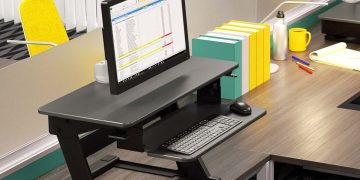
- Screen Height: Your computer monitor should be at eye level to prevent straining your neck. If you use a laptop, consider using a laptop stand or docking station to raise the screen. Ideally, your eyes should be level with the top third of the screen.
- Keyboard and Mouse: Opt for a keyboard and mouse that fit your hand’s natural position to avoid repetitive stress injuries like carpal tunnel syndrome. There are ergonomic alternatives available, including split keyboards and vertical mice, that can reduce strain on your wrists.
2. Light Up Your Workspace
The right lighting can make or break a home office. Poor lighting can cause eye strain, headaches, and fatigue, while well-placed lighting can elevate your mood and enhance focus.
- Natural Light: Whenever possible, position your desk near a window to take advantage of natural light. Sunlight has been shown to boost mood and productivity by increasing the secretion of serotonin, a neurotransmitter that promotes feelings of well-being.
- Task Lighting: Invest in a good desk lamp with adjustable brightness. Task lighting ensures that your work surface is well-lit without straining your eyes. Go for soft, warm lighting to create a more relaxed and less harsh atmosphere.
- Ambient Lighting: In addition to task lighting, consider adding ambient lighting to fill the room with warmth. Avoid overly bright overhead lights, as they can cause glare and create a sterile, uninspiring environment.
3. Declutter and Organize
A cluttered space leads to a cluttered mind. Keeping your home office organized and free of distractions is vital to staying focused and productive.
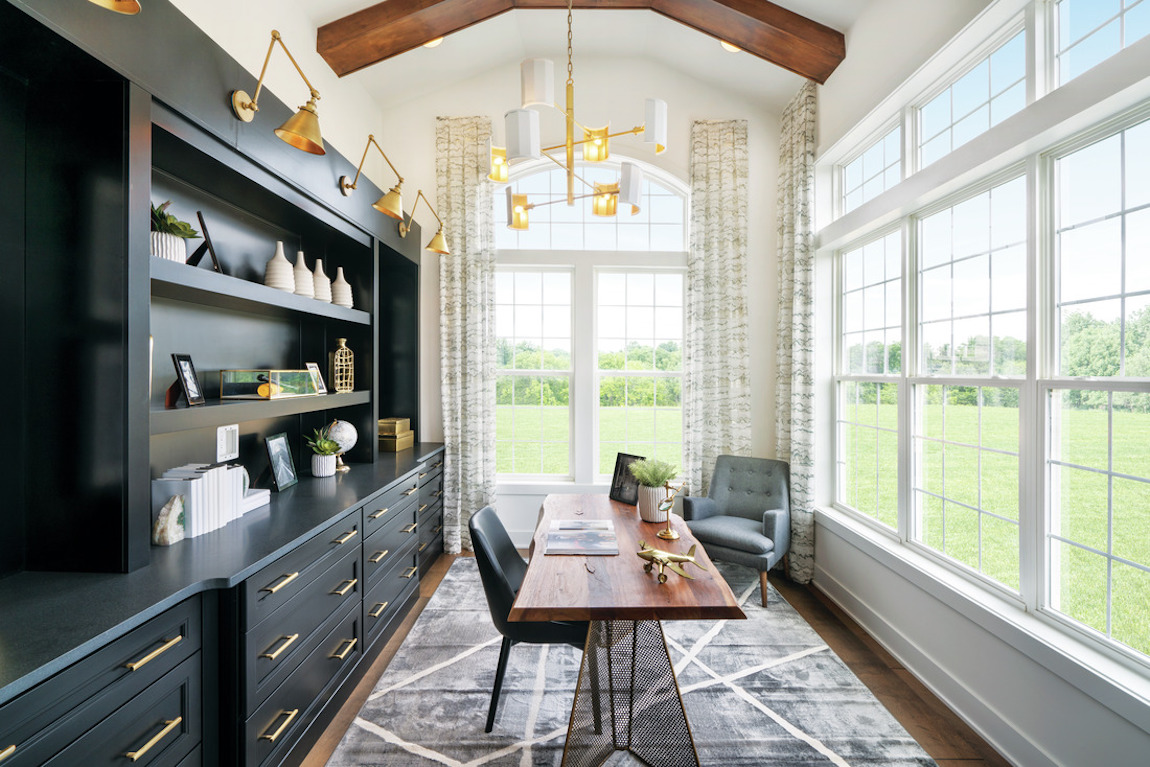
- Minimalism is Key: Start by removing unnecessary items. Keep only essential tools and items within arm’s reach. Clear out old paperwork, broken office equipment, or anything that’s not serving a direct purpose.
- Storage Solutions: Invest in storage options like filing cabinets, storage boxes, or wall shelves to keep paperwork and office supplies organized. Label your storage containers and file folders to easily locate important documents.
- Cable Management: A tangle of cords can turn any office into a chaotic mess. Use cable organizers or clips to keep wires under control. Consider wireless options for your keyboard and mouse to minimize clutter.
4. Choose the Right Colors
Color plays a significant role in how we feel and work. The colors in your office can impact your mood, concentration, and creativity.
- Blue: Blue is known for its calming and focus-enhancing properties. It helps to reduce stress and encourages concentration, making it ideal for tasks that require mental clarity and focus.
- Green: Green is associated with nature and promotes relaxation and balance. It can help reduce eye strain and enhance creativity, making it an excellent choice for a space where you need to brainstorm ideas or think critically.
- Yellow: Yellow stimulates optimism and energy. It’s a great choice for creative spaces where you want to feel inspired and motivated. However, too much yellow can be overwhelming, so balance it with neutral tones.
- Neutrals: Neutral colors like gray, beige, and white provide a clean, sophisticated backdrop that allows other elements of the room to stand out. They also create a calm and non-distracting environment.
5. Incorporate Personal Touches

While your home office needs to be functional, it should also feel personal and inspiring. Adding elements that reflect your personality can help create an environment that motivates you to do your best work.
- Artwork and Posters: Display artwork, motivational quotes, or posters that inspire you. Choose pieces that resonate with your values and aesthetic, whether it’s abstract art, nature scenes, or something more minimalist.
- Plants: Houseplants are known to reduce stress and improve air quality. Incorporating greenery into your office can make it feel more inviting and calming. Easy-to-care-for plants like succulents, snake plants, and pothos are great options.
- Personal Items: Display items that make you feel at home, such as family photos, meaningful trinkets, or travel souvenirs. These personal touches can make your workspace feel more comfortable and connected to your life outside of work.
6. Create Zoning for Focus and Relaxation
It’s essential to have dedicated zones within your home office to separate work from relaxation. Creating distinct areas within the same room can help your mind switch between different modes—productivity and rest.
- Focus Zone: The main area where you’ll do your work should be clutter-free and set up for efficiency. Keep this space solely for work-related tasks to help you focus and avoid distractions.
- Relaxation Zone: If you have the space, create a separate zone for breaks. This could be a cozy reading nook, a meditation corner, or a comfortable chair where you can take a mental break. Having a designated space for relaxation helps you recharge and prevents burnout.
7. Tech Setup for Productivity
In today’s digital age, having the right technology at your disposal is key to productivity. Make sure your home office is equipped with the tools you need to work efficiently.
- High-Quality Equipment: Invest in a reliable laptop or desktop computer, a good-quality webcam, and noise-canceling headphones. These tools will improve your ability to work efficiently and participate in virtual meetings.
- Collaboration Tools: Utilize collaboration platforms like Slack, Zoom, or Microsoft Teams to stay connected with colleagues and clients. Having the right software at your fingertips can make communication smoother and faster.
- Automation: Automating repetitive tasks is a great way to save time and mental energy. Use apps like Zapier or IFTTT to set up workflows that streamline tasks like file organization, email management, or calendar scheduling.
8. Incorporate Movement into Your Routine
Sitting for long hours can take a toll on both your body and mind. Incorporating movement into your day can boost energy, reduce stress, and increase focus.
- Standing Desk: Consider investing in a sit/stand desk that allows you to alternate between sitting and standing. Standing for part of the day can improve circulation and reduce back pain.
- Stretch Breaks: Set a timer to remind yourself to take regular breaks to stretch, walk around, or do light exercises. These mini-breaks help you stay refreshed and avoid mental fatigue.
- Yoga or Meditation Corner: Create a small space for yoga, stretching, or meditation. Even just a few minutes of mindful movement or breathing exercises can improve focus and mental clarity.
9. Optimize for Acoustic Comfort
Noise can be a major productivity killer. Whether you’re distracted by household sounds, neighbors, or street noise, managing acoustics is vital.
- Noise-Canceling Headphones: Invest in a good pair of noise-canceling headphones to block out distractions. They are especially useful if you live in a noisy area or need to focus during virtual meetings.
- Soundproofing: If you have the space and budget, consider adding soundproofing elements to your office. This could include acoustic panels, rugs, curtains, or even foam cushions that absorb sound.
- White Noise: Some people find that ambient white noise or calming music helps drown out distractions and increase focus. Experiment with different types of background sounds to see what works best for you.
10. Keep Your Workflow Flexible
Finally, remember that flexibility is key. Your home office should support the way you work, but it should also evolve as your needs change.
- Adaptable Furniture: If your work involves both meetings and solo tasks, consider flexible furniture that can be rearranged. Modular furniture like movable desks, chairs, and shelving allows you to adapt your space for different needs.
- Switch Things Up: Don’t be afraid to change things around periodically. A fresh perspective on your workspace can help reinvigorate your motivation and creativity.