









Wine tasting is as much a sensory experience as it is a cultural ritual. From the first sight of the wine’s color to the final lingering taste on the palate, each element plays a pivotal role in shaping the overall experience. However, one often-overlooked aspect is the shape of the glass from which the wine is sipped. A wine glass might seem like a mere vessel, but its form is meticulously designed to enhance the wine’s aroma, taste, and overall enjoyment.
In this article, we will explore how the shape of a wine glass impacts the sensory aspects of wine. Whether you are a connoisseur or just a casual wine drinker, understanding the science behind glassware can elevate your wine experience.
The Basics: Glass vs. Cup – Why Not Just Any Glass?
While many might think that the type of glass doesn’t really matter as long as it holds liquid, the reality is that the design of a wine glass serves more than just a utilitarian purpose. The precise design of wine glasses—whether for red, white, or sparkling wine—has been perfected to enhance the wine’s bouquet, balance, and overall flavor profile.
A regular glass, or even a cup, simply doesn’t do justice to the intricacies of wine. The curvature of the bowl, the length of the stem, and the width of the rim all contribute to a unique sensory experience. Wine glasses are specifically engineered to ensure the wine can breathe, release its aromas, and interact with the air in the best possible way.
The Shape of the Glass: Influencing Aroma and Flavor
Wine is all about the senses, and the shape of the glass primarily affects two essential components: the aroma and the flavor.
1. Aroma – The Nose Knows
The olfactory experience of wine is just as important, if not more so, than its taste. In fact, much of what we perceive as taste is actually determined by our sense of smell. Aroma plays a significant role in how we perceive the nuances of wine. A glass that is too narrow or too wide can restrict or disperse these aromas, altering the overall experience.
- Narrow Glasses: A glass with a narrower bowl, such as one used for white wine, traps the volatile compounds and directs them toward your nose. This design allows you to catch more of the delicate floral or fruity notes present in the wine. The reduced surface area prevents the scent from dissipating too quickly, allowing you to enjoy every nuanced fragrance.
- Wide Glasses: A larger, more open bowl—commonly seen with red wine glasses—allows the wine to breathe more. This not only enhances the aromas but also allows the wine’s more robust characteristics (like the earthy or spicy notes) to develop. A broad rim ensures that the wine’s fragrance isn’t immediately lost but rather directed in a way that it gradually builds as you sip.
2. Taste – The Flavor Dance
The shape of the glass can also influence the way the wine hits your tongue. Different areas of your mouth are sensitive to different tastes, and the design of the glass can impact which part of your palate the wine will first touch.

- Narrow Rimmed Glasses: A glass with a narrow opening directs the flow of wine to the tip of your tongue, where sweetness is most easily detected. This is why white wines, which often have a sweeter profile, are served in glasses with narrower rims. The design ensures that the subtle sweetness of the wine is experienced first before it travels across the tongue, allowing for better overall balance.
- Wide Rimmed Glasses: A larger opening, on the other hand, allows the wine to flow more freely to the sides and back of the tongue, where acidity and tannins are perceived. Red wines, known for their bolder flavors and more tannic structure, benefit from a larger glass that allows the wine to flow smoothly, highlighting its richness and complexity.
Glass Type by Wine Style: Matching the Right Shape to the Right Wine
To truly appreciate the impact that the shape of a glass has on your wine experience, it is essential to understand how different glasses are tailored to specific wine styles. Each wine, whether red, white, or sparkling, has unique characteristics that are best appreciated when served in the right kind of glass.
1. Red Wine Glasses
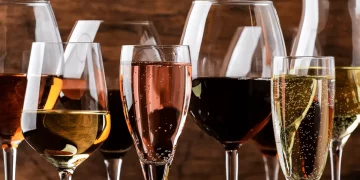
Red wines are known for their complexity, bold tannins, and deep aromas. To bring out the best in red wine, a larger, rounder glass is ideal. The broad bowl allows the wine to swirl and breathe, enhancing the interaction with oxygen and allowing the wine to open up.
- Bordeaux Glasses: These glasses have a tall bowl and flared rim, making them ideal for full-bodied wines like Cabernet Sauvignon or Merlot. The wide surface area of the glass ensures that the tannins and acidity in these wines are balanced, while the narrow opening directs the wine to the back of the mouth, where the bitterness of tannins can be better experienced.
- Burgundy Glasses: Slightly wider and more curved, Burgundy glasses are designed for wines with delicate, more aromatic profiles, such as Pinot Noir. The broader bowl encourages the wine to come in contact with air, allowing the nuanced aromas to develop, while the wider rim allows for a smoother flow to the sides of the tongue, where acidity and fruitiness are detected.
2. White Wine Glasses
White wines, with their crisp acidity and lighter body, benefit from glasses with narrower bowls that focus the wine’s delicate aromas. These glasses are designed to preserve the wine’s freshness and highlight its crispness.
:max_bytes(150000):strip_icc()/Red_Wine_Glasses_Josepheninhutte_02-f76db370e7084a9780db31da7cce1b5d.jpg)
- Chardonnay Glasses: A glass with a slightly larger bowl than a standard white wine glass allows for the fuller-bodied Chardonnay to breathe and release its rich aromas, especially in oaked varieties. The narrow rim ensures the wine’s acidity is focused at the front of the tongue.
- Sauvignon Blanc Glasses: A more slender glass with a smaller bowl helps concentrate the intense, zesty aromas of Sauvignon Blanc. The sharp acidity of this wine benefits from a narrower design that directs the wine to the tip of the tongue for maximum impact.
3. Sparkling Wine Glasses
Sparkling wines like Champagne and Prosecco require a glass that helps preserve the bubbles and showcase the wine’s effervescence. The design of the glass for sparkling wine is essential in maintaining the sparkling experience throughout the tasting.
- Flutes: Tall and narrow, Champagne flutes are designed to maintain the effervescence by reducing the surface area, which slows down the dissipation of bubbles. This shape is perfect for sparkling wines that rely on their bubbles for a refreshing, lively experience.
- Coupe Glasses: These wide, shallow glasses were once the standard for sparkling wine, but their design allows bubbles to dissipate too quickly. They’ve mostly fallen out of favor, as the flute does a better job of preserving the wine’s liveliness.
The Psychology of Glassware: Aesthetic Impact on the Experience
Beyond the practical effects of shape on aroma and flavor, the visual aspect of wine glasses also plays a psychological role. A beautiful, well-designed glass enhances the feeling of indulgence and sophistication. Holding a perfectly crafted glass can elevate the entire wine drinking experience, tapping into a sense of luxury and enjoyment.
- Stem vs. Stemless: Traditional stemmed glasses allow drinkers to hold the glass by the stem, preventing the heat of your hand from warming the wine. Stemless glasses, on the other hand, are more casual and often easier to manage, but they lack the ability to preserve the ideal drinking temperature as effectively.
- Thin vs. Thick: A thin-walled glass feels more refined and allows for better temperature control, keeping the wine at the optimal temperature for longer. Thicker glasses may feel more substantial, but they can interfere with the wine’s ability to maintain a consistent temperature.
Conclusion: Why Shape Matters
The shape of a wine glass is far from trivial; it is an essential part of how wine is experienced. From enhancing the aromas to ensuring the wine is tasted in the best possible way, the design of the glass can dramatically influence the perception of a wine. Whether you are savoring a bold red, a crisp white, or a delicate sparkling wine, the right glass ensures that you get the most out of every sip.
Understanding how each shape influences the wine’s experience not only improves your appreciation of the drink but also adds an extra layer of pleasure to the act of wine tasting. The next time you pour a glass, pay attention to the shape of the glass, and let it unlock a whole new level of enjoyment.