







Iceland is a land of extremes, a country where fire and ice collide, creating a landscape that is both harsh and beautiful. One of the most striking features of this Nordic island is its many waterfalls, which cascade down cliffs, crash into valleys, and vanish into the sea. While many of Iceland’s waterfalls are famous and well-documented, there are hidden gems that remain largely unknown to the general public. These secret waterfalls, tucked away in remote corners of the country, offer visitors a rare opportunity to experience nature at its purest.
But why are these stunning waterfalls so elusive? Why do so few people know about them? In this article, we will explore the reasons behind the obscurity of Iceland’s secret waterfalls, delve into their uniqueness, and offer tips on how to uncover these hidden treasures. Prepare to embark on a journey into the untouched beauty of Iceland’s lesser-known waterfalls.
The Allure of Iceland’s Waterfalls
Before diving into the mystery of Iceland’s secret waterfalls, it’s important to understand why waterfalls are such a major attraction in the country. Iceland is home to some of the most impressive and visually stunning waterfalls in the world. From the majestic Gullfoss, which forms part of the Golden Circle, to the dramatic Skogafoss with its endless mist, Iceland’s waterfalls are known for their size, power, and beauty.
In addition to their aesthetic appeal, Icelandic waterfalls are a key part of the country’s geological and hydrological makeup. Most of Iceland’s waterfalls are fed by meltwater from glaciers, creating streams that plunge over volcanic cliffs. This combination of glaciers, volcanoes, and geothermal activity makes Iceland’s waterfalls uniquely powerful and dynamic.
Despite the abundance of breathtaking falls, only a few have become global icons. As tourists flock to these famous spots, the lesser-known waterfalls remain hidden, often overshadowed by the more popular locations. The allure of discovering these secret gems, away from the crowds, is part of what makes Iceland such a dream destination for adventurers and nature lovers alike.
The Geography of Iceland’s Secret Waterfalls
Iceland is a country of vast, rugged terrain, with much of it sparsely populated and difficult to access. This is one of the key reasons why many of the most beautiful waterfalls remain hidden from the public eye. Most visitors to Iceland tend to follow the well-trodden tourist paths, including the Golden Circle and the South Coast, which feature the country’s most famous waterfalls.
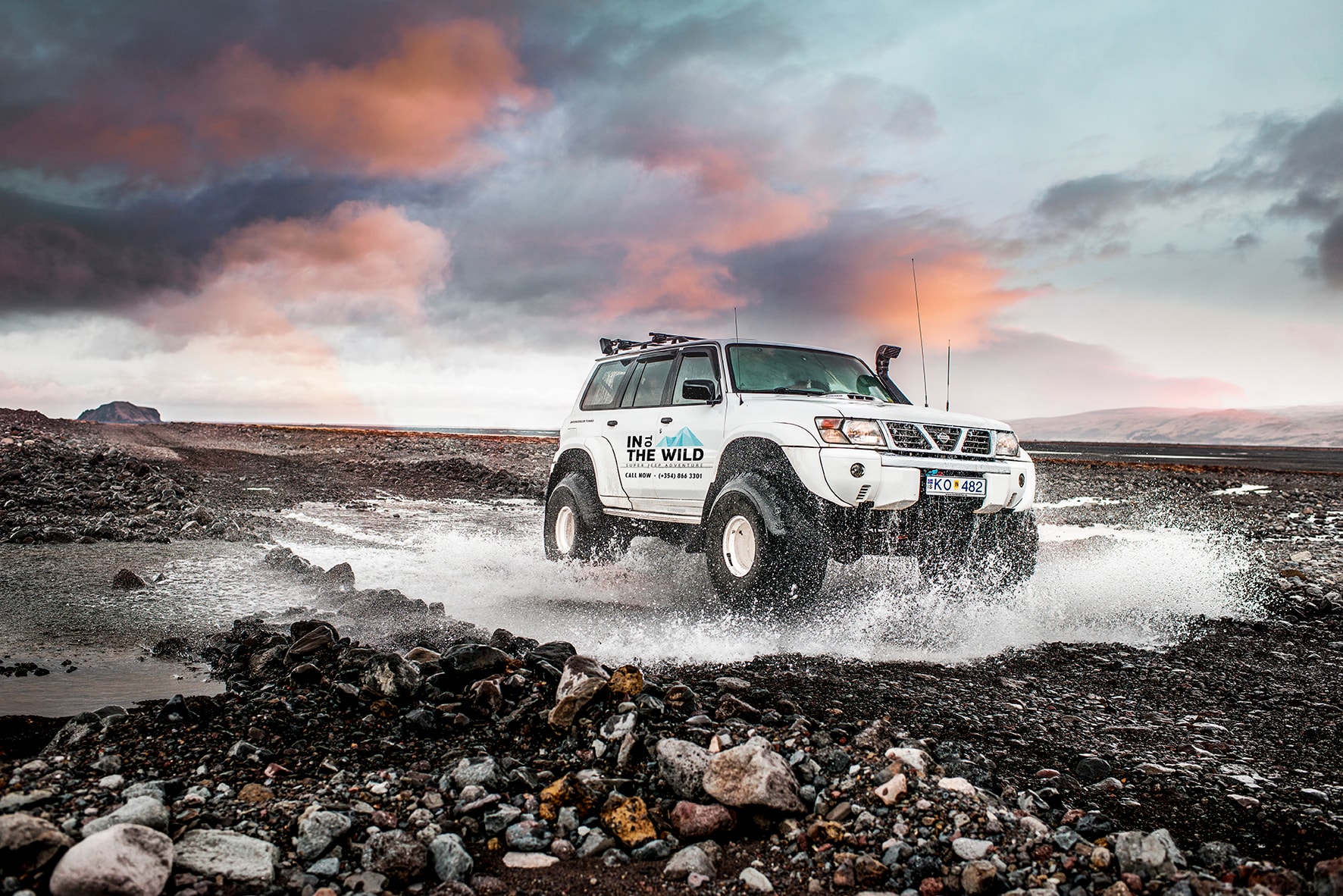
The secret waterfalls are often found off the beaten path, requiring a bit of effort to reach. These waterfalls are typically situated in more remote regions, such as the Highlands, East Fjords, and remote northern and western regions. These areas are less developed for tourism and, in some cases, require 4×4 vehicles or even hiking to access. Due to the often challenging terrain, many travelers are unaware that such waterfalls exist, let alone how to reach them.
In addition, Iceland’s ever-changing weather conditions can make these areas inaccessible for much of the year, further limiting the opportunity for visitors to see these secret waterfalls. With many of these spots still relatively untouched by mass tourism, the mystery and exclusivity of Iceland’s hidden waterfalls only add to their appeal.
Why Do Few People Know About These Waterfalls?
Several factors contribute to the obscurity of Iceland’s secret waterfalls. While many people are familiar with the well-known falls like Gullfoss or Seljalandsfoss, those seeking a more intimate experience with nature often miss out on the hidden gems that lie beyond the usual tourist circuit. Here are some of the reasons why these secret waterfalls remain relatively unknown:
1. Remote Locations and Accessibility
As mentioned, the remote nature of these waterfalls is a major reason for their obscurity. Many of Iceland’s secret waterfalls are located in parts of the country that are difficult to reach without specialized vehicles or knowledge of the area. Some require off-road driving, while others can only be reached by hiking through rugged terrain or along obscure paths. Because they are not situated along the most popular tourist routes, few people have the opportunity to stumble upon them by chance.
2. Lack of Marketing and Promotion
Tourism in Iceland is a booming industry, and most of the country’s famous landmarks, including waterfalls, are promoted through well-established channels like travel agencies, tour operators, and online platforms. In contrast, Iceland’s secret waterfalls are often not marketed to tourists. This lack of promotion means that most travelers are unaware of their existence, and without local guidance or insider knowledge, they would likely miss out on these hidden wonders.
3. Environmental Protection and Conservation Efforts
Iceland places a strong emphasis on preserving its natural beauty. Many of the secret waterfalls are located in protected areas, which have limited access in order to reduce human impact. This means that even if travelers are aware of these waterfalls, they might not be able to visit them without obtaining special permits or making arrangements with local guides. Iceland’s government and environmental organizations have been working to maintain the integrity of these areas, and as a result, the waterfalls are kept off the mainstream radar to prevent over-tourism.
4. Weather and Seasonal Factors
Iceland’s weather is notoriously unpredictable, and conditions can change quickly. In many cases, secret waterfalls are most accessible during the summer months when the weather is more forgiving, but even then, some of these locations can be difficult to reach due to rain, snow, or muddy conditions. In winter, many roads are impassable, and hiking paths may be unsafe due to icy conditions. As a result, only a small window of time each year offers the best chance to explore these waterfalls, further limiting the number of visitors.
5. Local Knowledge and Word of Mouth
Some of Iceland’s hidden waterfalls are known only to locals or seasoned travelers who have made a point of exploring the lesser-known regions of the country. These falls are often passed down through word of mouth, with local guides, adventure travelers, or Icelandic residents sharing knowledge with others who are interested. While this sense of discovery can make finding a secret waterfall feel like an exclusive adventure, it also means that many people simply do not have access to the information they need to find these hidden treasures.
The Magic of Iceland’s Hidden Waterfalls
Despite their obscurity, Iceland’s secret waterfalls offer a magical experience that is unlike anything found at more popular tourist destinations. These waterfalls are often surrounded by untouched landscapes, such as volcanic cliffs, moss-covered rocks, and dramatic mountain backdrops. The lack of crowds and commercial development makes these spots feel even more special, allowing visitors to connect with nature in its purest form.
One of the most appealing aspects of visiting a hidden waterfall in Iceland is the sense of adventure and discovery. Many travelers describe the experience of stumbling upon a secret waterfall as akin to finding a hidden treasure. Whether you’re standing beneath the falls, feeling the cool mist on your face, or simply soaking in the view, these waterfalls offer a rare chance to experience Iceland’s natural beauty in a way that feels personal and intimate.

Notable Hidden Waterfalls to Seek Out
While the true hidden gems of Iceland remain a mystery to many, there are a few secret waterfalls that are relatively well-known among those in the know. These falls, while still off the beaten path, can be sought out with some effort. Here are a few examples of Iceland’s lesser-known waterfalls:
1. Gljúfrabúi Waterfall
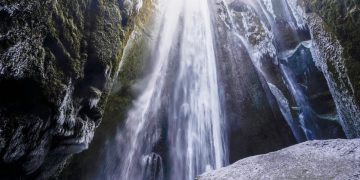
Located near Seljalandsfoss on the South Coast, Gljúfrabúi is often overshadowed by its more famous neighbor. However, this waterfall is a beauty in its own right, cascading down into a narrow canyon. Visitors must venture through a gap in the rocks to fully appreciate its charm, which only adds to its allure.
2. Fureyskáli Waterfall
In the remote West Fjords, Fureyskáli is a stunning waterfall that can be reached by a steep hike. With few tourists in the area, it’s often quiet and peaceful, making it the perfect place for nature lovers seeking solitude.
3. Hraunfossar Waterfall
Located in western Iceland, Hraunfossar is a collection of waterfalls that flow over the edge of a lava field. While it is known among locals and some travelers, it doesn’t receive the same attention as other Icelandic waterfalls, making it a serene and less crowded spot to visit.
4. Kirkjufellsfoss Waterfall
Tucked beneath the iconic Kirkjufell mountain on the Snæfellsnes Peninsula, Kirkjufellsfoss is often overlooked in favor of the mountain itself. This small but picturesque waterfall offers one of the most beautiful and unique landscapes in Iceland, especially during the winter months when the falls are surrounded by snow.
How to Find and Visit Iceland’s Secret Waterfalls
If you’re determined to uncover Iceland’s secret waterfalls, there are several strategies you can use to increase your chances of finding these hidden gems:
1. Do Your Research
While these waterfalls may not be widely publicized, there are still many travel blogs, photography sites, and online forums where adventurers share their experiences. Researching these sources can provide valuable insights into where to find lesser-known waterfalls, as well as the best times to visit them.
2. Hire a Local Guide
One of the best ways to access secret waterfalls is by hiring a local guide who knows the terrain and can lead you to off-the-beaten-path locations. Many tour companies offer specialized excursions to remote waterfalls, giving you the opportunity to explore areas that may otherwise be difficult to find.
3. Travel in the Off-Season
Visiting Iceland in the off-season (late autumn, winter, or early spring) can help you avoid crowds and increase your chances of experiencing secret waterfalls without the distractions of mass tourism. However, be mindful of weather conditions and road closures during these months.
4. Rent a 4×4 Vehicle
If you’re comfortable with driving in Iceland’s challenging conditions, renting a 4×4 vehicle can open up new possibilities for exploring the country’s remote regions. Many hidden waterfalls are accessible only by off-road vehicles, so having the right equipment is essential for reaching these destinations.
Conclusion
Iceland’s secret waterfalls are a testament to the country’s raw, unspoiled beauty. While the iconic waterfalls are well-loved and often overrun by tourists, the lesser-known falls offer a unique and peaceful alternative. By exploring off the beaten path, doing your research, and embracing the adventure, you can uncover these hidden gems and experience Iceland’s natural wonders in a way that few others will. The mystery of Iceland’s secret waterfalls adds an extra layer of enchantment to the country’s already mesmerizing landscapes, making them a must-see for those seeking a truly unforgettable experience.