










In the rapidly advancing world of technology, one question has lingered in the minds of both creatives and technologists: Can AI tools replace human creativity in content creation? With artificial intelligence making significant strides in automating tasks and generating content, the idea of machines replicating or even surpassing human creativity seems more plausible than ever. But, is this possible? To explore this question, we’ll dive into the nature of creativity, how AI is used in content creation, and whether machines can ever truly capture the essence of human ingenuity.
Understanding Creativity
Creativity is often defined as the ability to generate novel and valuable ideas. It involves connecting disparate concepts, recognizing patterns, and even embracing the randomness of thought. Humans, equipped with emotions, experiences, and unique perspectives, possess an inherent ability to create works that resonate with others on a deeply personal level. Whether it’s a painting, a novel, a song, or a social media post, human creativity is often the product of complex thinking, influenced by context, culture, and intuition.
In contrast, AI tools are rooted in algorithms that are designed to process data, recognize patterns, and generate outputs based on pre-established rules. While AI can be incredibly efficient and even impressive in mimicking certain aspects of creativity, it operates in a fundamentally different manner. It lacks the subjective experiences and emotional depth that humans bring to the table. But does this mean AI can never replace human creativity? Not necessarily.
The Role of AI in Content Creation
AI’s role in content creation has evolved significantly in recent years. From writing articles and composing music to creating visual art and generating videos, AI tools are being employed in a wide variety of fields. Here’s how AI is currently enhancing and transforming content creation:

- Content Generation and Writing
AI-powered writing tools, such as GPT-3 and GPT-4, are capable of generating high-quality text. These tools analyze vast amounts of data and use machine learning algorithms to predict and generate text that aligns with human language patterns. This has led to AI being used in areas like blog post creation, email writing, social media content, and even technical writing. For example, AI can produce articles on a wide range of topics by learning from the data it processes. It can efficiently generate SEO-optimized content and provide draft structures, allowing writers to focus on refining ideas and adding a personal touch. However, while AI can draft basic content, it often lacks nuance, emotional depth, and an authentic voice—elements that are key to engaging audiences. - Visual Art and Design
AI tools like DALL·E and DeepArt have made significant strides in visual content creation. These tools use neural networks to analyze existing images and generate entirely new artwork based on user prompts. AI can produce stunning visuals quickly and with great detail, making it an invaluable tool for graphic designers, marketers, and content creators. However, there is an ongoing debate about whether AI-generated art can truly be considered “creative.” AI doesn’t experience the world as humans do. It doesn’t possess the emotional weight or personal meaning that often fuels artistic expression. While AI can mimic styles and techniques, it’s not driven by the personal experiences or feelings that shape human art. This raises the question: Can we truly call something “creative” if it’s produced by a machine devoid of human experience? - Music Composition
AI is also making waves in the music industry, with tools like OpenAI’s MuseNet and Jukedeck capable of composing original music. These tools analyze patterns in musical compositions, learning from thousands of pieces to generate new songs across various genres. In fact, AI-generated music has been used in movies, commercials, and video games, with some pieces being indistinguishable from those composed by humans. Despite the impressive quality of AI-generated music, many critics argue that AI cannot replicate the emotional depth that comes with human compositions. Music, at its core, is a reflection of human emotion and experience. While AI can mimic musical structures, it lacks the lived experiences and emotional connections that inspire true musical creativity. - Video Production and Editing
AI tools like Adobe’s Sensei and Magisto are revolutionizing video production by automating editing processes and even generating video content. These tools can analyze raw footage, select the best clips, and edit them together in a coherent way. AI can also optimize videos for different platforms, ensuring they reach the right audience. While these tools enhance productivity, they also raise questions about the role of human creativity in filmmaking and video production. Can AI truly replace the director’s vision or the editor’s touch? While AI can streamline technical processes, it’s the human creators who make the final decisions about pacing, storytelling, and emotion. These are elements that AI, for all its capabilities, cannot fully replicate.
The Limits of AI in Creativity
While AI is undoubtedly transforming content creation, there are inherent limitations that prevent it from fully replacing human creativity. These limitations are largely rooted in the nature of creativity itself, which involves elements that AI is unable to replicate:
- Emotions and Experiences
Creativity is deeply intertwined with human emotions and experiences. Artists, writers, musicians, and creators often draw from their personal lives, struggles, joys, and perspectives to produce meaningful work. AI, on the other hand, does not have emotions or a personal history. It processes data and patterns, but it doesn’t “feel” anything. As a result, AI lacks the ability to infuse content with the kind of emotional resonance that often makes creative works so powerful. - Context and Intent
Human creators work within a specific context, driven by intent and purpose. Whether it’s a social issue, a cultural movement, or a personal experience, human creativity is often a response to the world around us. AI, however, lacks this contextual awareness. It doesn’t understand the societal impact of a piece of content or the broader implications of the work it generates. This leads to a lack of depth and significance in AI-generated content. - Imagination and Innovation
AI excels at recognizing patterns and generating content based on existing data, but it struggles with true innovation. Humans are capable of thinking “outside the box,” connecting unrelated ideas, and creating something entirely new. AI, on the other hand, is limited by the data it has been trained on. While it can generate variations or combinations of existing ideas, it cannot create something fundamentally new or unexpected without human input. - Authenticity and Voice
One of the key aspects of human creativity is authenticity. Creators infuse their work with a unique voice and style that reflects their personality, worldview, and experiences. AI-generated content, while often technically proficient, lacks this personal touch. It may produce grammatically correct text or visually appealing images, but it doesn’t carry the same authenticity or emotional weight as content created by humans. - Ethical Considerations
Another challenge with AI in content creation is the ethical implications of machine-generated work. AI has been used to replicate the style of famous artists, authors, and musicians, raising questions about intellectual property and originality. If AI can produce a painting that looks indistinguishable from a Picasso or a novel that mirrors the style of J.K. Rowling, who owns the rights to that content? This question challenges the very nature of creativity and authorship.
Can AI Enhance Human Creativity?
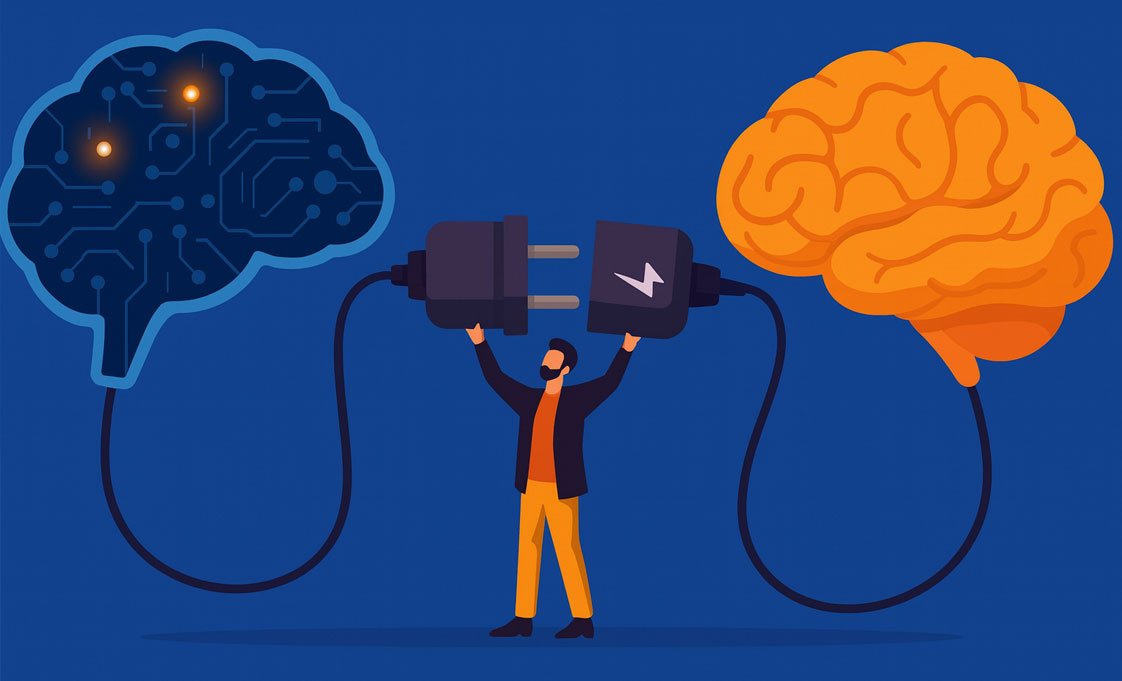
Despite these limitations, AI tools can still serve as powerful aids in the creative process. Rather than replacing human creativity, AI can enhance it by providing inspiration, automating repetitive tasks, and offering new perspectives. Here’s how:
- Idea Generation
AI can help creators brainstorm ideas by generating prompts or suggesting variations on existing concepts. This can be especially helpful in overcoming creative blocks or when a creator is looking for new directions. AI can propose different angles, styles, and approaches that the creator might not have considered. - Efficiency and Productivity
AI can handle time-consuming tasks like editing, formatting, and content generation, allowing human creators to focus on more meaningful aspects of their work. This can increase productivity and reduce the pressure on creators to spend hours on technical details. - Collaboration
AI can act as a creative collaborator, providing feedback and suggesting improvements to a creator’s work. By working alongside AI tools, creators can refine their ideas and make more informed decisions about their content. This collaborative approach can lead to more innovative and polished results.
Conclusion
In the battle between AI and human creativity, it’s clear that AI tools cannot fully replace the depth, emotional resonance, and innovation that come with human creativity. While AI has the ability to generate impressive content across various mediums, it lacks the lived experience, emotional depth, and authentic voice that humans bring to their work.
However, AI can be a powerful ally for human creators, enhancing their ability to brainstorm, produce, and refine content. It can automate routine tasks, suggest fresh ideas, and provide tools for experimentation. Ultimately, the future of content creation will likely be one of collaboration between humans and AI, where machines take care of the technical heavy-lifting, and humans focus on what makes content truly meaningful and innovative.