










Can You Experience Luxury in the Arctic?
When people imagine the Arctic, they often picture a silent expanse of white, an endless frozen void populated only by polar bears, drifting icebergs, and perhaps a lonely research station or two. Luxury—soft cashmere throws, Michelin-level cuisine, heated glass domes, and private guides—feels impossibly far from that image. The Arctic is raw, untamed, and vast. Luxury is curated, polished, controlled. So can these two realities coexist?
Surprisingly, yes—and not just in a superficial sense. The Arctic has quietly become one of the world’s most compelling frontiers for high-end travel, especially for travelers craving exclusivity, science-backed enrichment, sustainable immersion, and environments untouched by mass tourism. Luxury here doesn’t resemble luxury on a tropical island; it is a completely different species. It is quieter, more elemental, more inward-facing. It’s not luxury despite the remoteness—it’s luxury because of it.
This article unpacks what “Arctic luxury” really means today: the logistics, the experiences, the accommodations, the ecological responsibilities, the emerging technologies, the human stories, and the psychological shifts that make these journeys so memorable. If you’ve ever wondered whether comfort, style, and sophistication can thrive in a land defined by ice, wind, and solitude, the answer is more fascinating than you might expect.
1. The New Definition of Arctic Luxury
Luxury travel has evolved dramatically in the past two decades. Gone is the era when luxury meant ornamentation and opulence alone. Today’s affluent explorers value:
- Privacy over popularity
- Authenticity over extravagance
- Sustainability over excess
- Personal transformation over passive indulgence
The Arctic fits this mindset perfectly. Its remoteness makes it inherently exclusive, its landscapes inherently awe-striking, and its ecosystems inherently fragile. Modern luxury in the Arctic is built around three pillars:
1.1. Comfort Without Compromising Environment
Luxury operators now design eco-engineered lodges and vessels with:
- ultra-efficient insulation,
- low-impact foundation systems,
- renewable micro-grids,
- and waste-free operational cycles.
Here, sustainability is not an optional add-on; it is the core architecture.
1.2. Access to the Inaccessible
The Arctic is difficult to reach and even harder to navigate. Luxury providers offer controlled access to places where:
- no roads exist,
- no villages lie nearby,
- and seasonal conditions constantly reshape the terrain.
For travelers, the rare ability to reach such locations becomes a luxury in itself.
1.3. Personalized Expedition Experiences
Instead of standardized itineraries, guests receive tailored options:
- private wildlife tracking,
- heli-assisted skiing,
- glacier-edge picnics prepared by world-class chefs,
- and sessions with polar scientists or Inuit cultural specialists.
The value lies not only in comfort but in context—deep understanding delivered hands-on.
2. The Journey to the Far North: A Luxury in Itself
Even getting to the Arctic is part of the experience. Unlike trips to typical vacation destinations, Arctic travel involves layering logistics with intentional pacing. The journey feels like a narrative building toward something grand.
2.1. Multi-Stage Travel With Seamless Transitions
Luxury operators often design a trajectory like this:
- International flight to a major hub (e.g., Oslo, Reykjavik, Anchorage).
- Boutique lounge stay with cold-weather outfitting and prep.
- Charter flight to a remote Arctic airport or ice runway.
- Final transfer by helicopter, expedition vessel, snowmobile, or tracked vehicle.
Each step is curated to maintain comfort while heightening anticipation.
2.2. The Psychological Shift
As travelers move north, landscapes change: forests thin, mountains sharpen, light stretches or vanishes depending on the season. This gradual transformation prepares the mind for immersion.
Luxury here is not about gold-plated fixtures—it’s about creating the emotional and mental spaciousness to truly absorb the Arctic environment.
3. Lodges at the Edge of the World
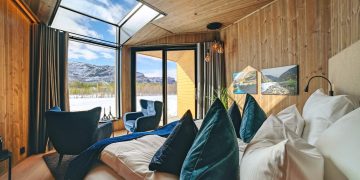
Arctic lodges are unlike any other hotels on earth. They must withstand temperatures that can snap steel, winds that can sculpt snow into solid waves, and wildlife that occasionally wanders past the doorstep. Yet despite these extremes, the lodges offer exceptional comfort.
3.1. Design That Balances Warmth and Wilderness
Common architectural features include:
- triple-glazed panoramic windows,
- elevated structures to prevent permafrost meltdown,
- thermally efficient Scandinavian materials,
- and interiors dominated by natural textures like wool, reindeer leather, and blond wood.
The result is a warm cocoon overlooking an icy world.
3.2. Heated Glass Domes and Observatory Suites
Some lodges offer transparent sleeping domes where you can watch the Northern Lights dance directly above your bed. These engineered bubbles resist frost buildup and maintain interior climate stability even at –30°C.
3.3. Hyper-Local Culinary Experiences
Chefs in Arctic luxury lodges often work with:
- Arctic char,
- pickled cloudberries,
- birch syrup,
- smoked reindeer,
- foraged herbs and seaweed,
- glacial ice (yes, even this is used for cocktails).
The cuisine leans modern Scandinavian—a fusion of purity, restraint, and scientific precision.
3.4. Wellness in the Wilderness
Imagine:
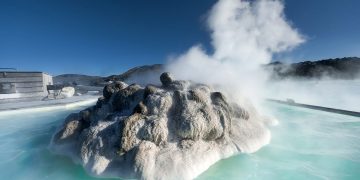
- geothermal outdoor hot pools beside frozen fjords,
- sauna rituals followed by snow-rolling “cool downs,”
- Arctic aromatherapy,
- massage rooms with views of drifting sea ice.
Wellness here is elemental. You’re not escaping the cold—you’re engaging with it.
4. High-End Expedition Cruises
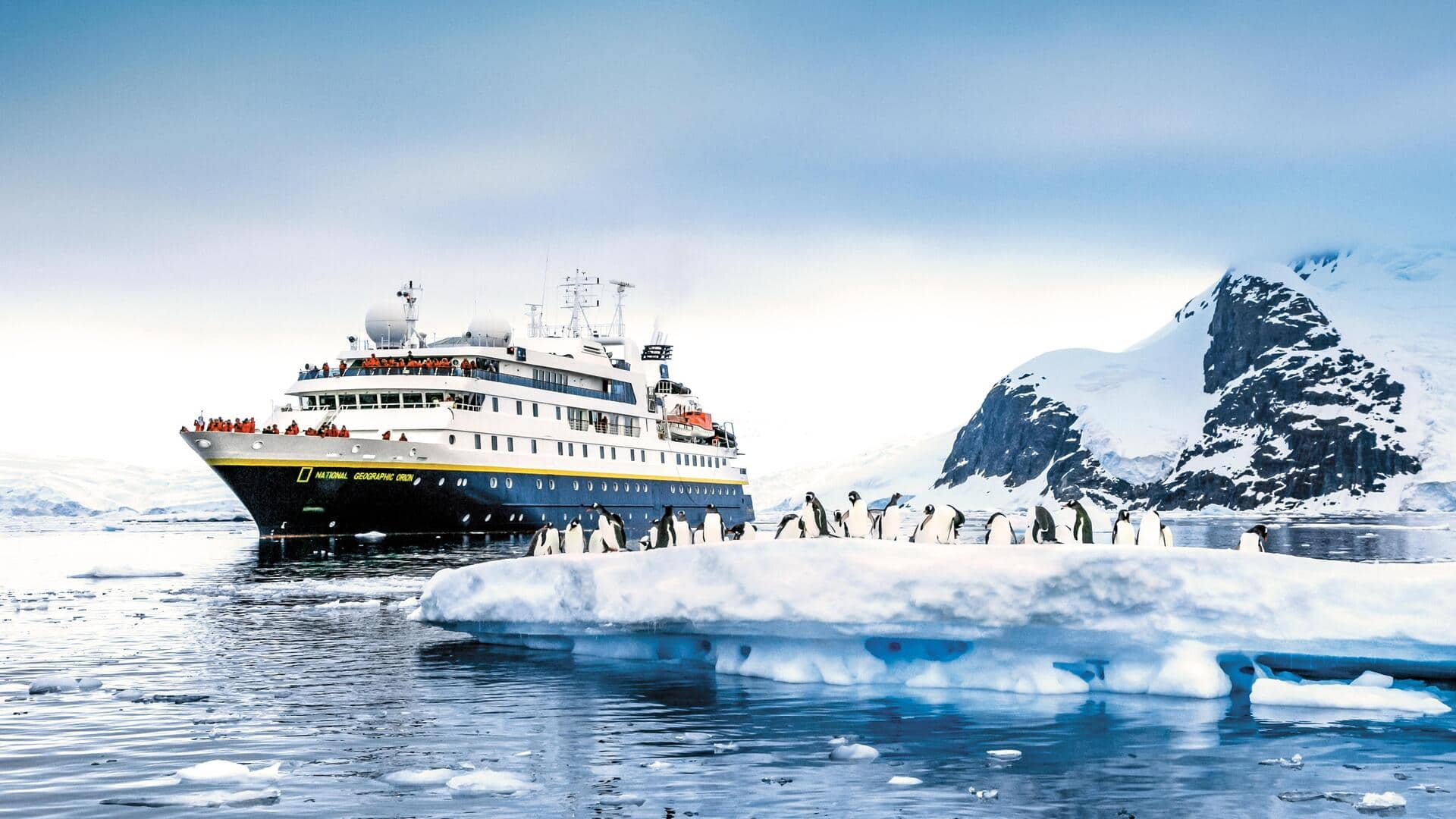
Some of the world’s most advanced expedition ships now operate in Arctic waters. These vessels blend five-star hotel comfort with the capabilities of a floating research platform.

4.1. Stabilized Comfort in Unstable Seas
A typical luxury expedition cruiser might include:
- ice-strengthened hulls,
- dynamic positioning systems,
- silent engines enabling wildlife-safe approaches,
- and onboard stabilizers that minimize motion.
Inside, guests enjoy suites with private balconies, full spas, libraries, and observatories.
4.2. Science Enrichment Programs
Many ships employ resident experts such as:
- marine biologists,
- glaciologists,
- climate scientists,
- Arctic historians,
- Indigenous cultural advisors.
Guests can join mini-research projects, learn how to read ice maps, or participate in wildlife photography sessions guided by pros.
4.3. Shore Excursions Without the Crowds
Because these ships are small (typically 100–200 guests), landings are intimate. Travelers may:
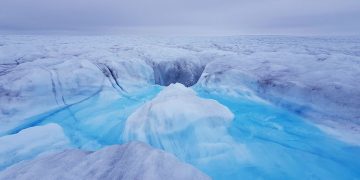
- walk on untracked glacier plateaus,
- visit scientific stations,
- explore abandoned whaling settlements,
- or glide silently in Zodiac boats among icebergs.
5. Wildlife Experiences: The Arctic’s Most Precious Luxury
Rare wildlife sightings give the Arctic its magical reputation. Luxury operators combine expert trackers, respectful practices, and carefully timed seasonal itineraries for near-guaranteed encounters.
5.1. Polar Bears and Responsible Viewing
Polar bear viewing is heavily regulated. High-end providers prioritize:
- safe distances,
- non-intrusive photography,
- and ethical animal-first policies.
Spotting a polar bear in the wild—especially on drifting sea ice—is a privilege many consider a life highlight.
5.2. Arctic Foxes, Narwhals, and Musk Oxen
Other wildlife experiences include:
- watching Arctic foxes dart across frozen coastlines,
- tracing narwhal migration channels from the edge of the pack ice,
- trekking through valleys where musk oxen graze among ancient rock formations.
These sightings feel otherworldly, almost mythical.
5.3. Birdlife at the Edge of Extremes
Millions of sea birds nest along Arctic cliffs in summer:
- puffins,
- guillemots,
- kittiwakes,
- and ivory gulls.
Luxury guides often use high-definition spotting scopes or telephoto gear for close observation without disturbing colonies.
6. The Role of Indigenous Knowledge in Arctic Luxury Travel
True Arctic luxury incorporates cultural depth, not just environmental beauty.
6.1. Collaborations With Indigenous Communities
Many operators partner with Inuit, Sámi, or other Arctic communities to ensure cultural accuracy and economic reciprocity.
Experiences may include:
- dog-sledding with traditional mushers,
- storytelling around driftwood fires,
- learning about reindeer herding,
- tasting regional dishes prepared by local chefs,
- guided lessons on survival skills and Arctic navigation.
6.2. Respecting Traditional Territories
Guests learn how land use differs from Western norms. For example:
- routes may shift based on caribou migration,
- certain sites require quiet observation,
- hunting narratives are explained through cultural context,
- seasonal rhythms dictate access.
This deeper layer of meaning elevates the journey from passive watching to mindful connection.
7. Extreme Experiences With a Luxury Safety Net
The Arctic is unpredictable—to travel here is to embrace the unknown. But the presence of expert guides and robust safety protocols means travelers can touch the edge of adventure without losing comfort.
7.1. Heli-Adventures
Private helicopters enable:
- glacier landings,
- summit ski runs on untouched snow,
- aerial iceberg photography,
- remote ridge hikes.
Pilots are specially trained for Arctic microweather, and aircraft are equipped for emergency cold-weather survival.
7.2. Ice Diving and Submersibles
Some expeditions offer:
- heated dry-suit diving among ice formations,
- submersible descents into the deep Arctic ocean to observe jellyfish, sponges, and rarely seen species.
These activities require meticulous safety standards and highly trained crew.
7.3. Overnight Expeditions in Ultimate Comfort
You might camp in heated polar tents on the ice sheet, guided by experts who track shifting ice patterns and monitor wildlife. Luxury is delivered without compromising safety.
8. Technology as the Invisible Luxury
What feels effortless—the warm room, the stable electricity, the clear windows, the gourmet meals—actually depends on meticulous engineering.
8.1. Power Systems
Luxury Arctic operations rely on:
- hybrid micro-grids,
- solar arrays optimized for low-angle light,
- battery storage with cold-tolerant chemistry,
- on-site desalinization systems.
8.2. Heating and Insulation Innovations
Materials often include:
- vacuum-sealed panels,
- aerogel insulation,
- multi-layer thermal barriers.
This ensures efficiency without noise or vibration.
8.3. Communication Systems
Satellite infrastructure provides:
- stable bandwidth for guests,
- high-accuracy weather prediction,
- emergency connectivity.
Guests retain conveniences without the Arctic losing its character.
9. Sustainability: The Ethical Backbone of Arctic Luxury
Luxury here demands stewardship. Operators integrate environmental responsibility in every choice.
9.1. Leave-No-Trace Architecture
Most lodges and camps:
- sit on minimal foundations,
- operate seasonally,
- remove all waste,
- and blend into the landscape.
9.2. Wildlife-First Encounters
Guides follow strict distance rules, sound protocols, and route adjustments based on wildlife behavior.
9.3. Carbon-Measured Travel
Some operators offer:
- emission reporting,
- carbon-offset options,
- low-impact logistics,
- and guest education sessions.
Travelers leave with a deeper understanding of Arctic fragility.
10. The Emotional Luxury: Silence, Space, and Perspective
Perhaps the greatest luxury the Arctic offers is psychological.
10.1. Silence Like Nowhere Else
The Arctic contains pockets of true silence—no engines, no traffic, no human noise at all. Modern travelers rarely experience this kind of auditory purity.
10.2. The Luxury of Scale
Standing on a glacier or drifting beside an iceberg recalibrates one’s sense of proportion. Many travelers describe new clarity, humility, or renewed focus after their journeys.
10.3. Light Phenomena
Depending on the season, you may experience:
- 24-hour summer daylight,
- pastel polar twilight,
- or winter’s auroral shows.
Each has a psychological effect—energizing, grounding, or awe-inspiring.
11. Who Seeks Arctic Luxury?
Luxury travelers in the Arctic fall into several categories:
- Explorers craving journeys beyond the usual map.
- Photographers seeking rare light and wildlife.
- Wellness travelers craving detachment from digital noise.
- Science enthusiasts curious about climate systems.
- Cultural travelers wanting connection with Indigenous knowledge.
They share a desire for depth, not spectacle.
12. Challenges: What Makes Arctic Luxury Difficult?
Delivering comfort here requires navigating obstacles:
12.1. Weather Volatility
Storms can reroute itineraries for safety.
12.2. Logistic-Heavy Operations
Supplies must be flown or shipped in. Waste must be shipped out.
12.3. Limited Seasonal Windows
Summer access offers navigation; winter offers auroras and snow. Each has tradeoffs.
12.4. Environmental Responsibilities
Operators must minimize impact while maximizing guest experience.
13. The Future of Luxury in the Arctic
Innovation is accelerating:
- hybrid-electric ice-class vessels,
- AI-assisted wildlife monitoring,
- modular low-impact Arctic camps,
- enhanced collaboration with Indigenous communities.
The future of Arctic luxury is defined by intelligence, not indulgence.
14. So, Can You Experience Luxury in the Arctic?
Absolutely—just not the kind of luxury defined by marble bathtubs or designer boutiques. Arctic luxury is:
- rare access,
- deep knowledge,
- silence,
- safety in extreme environments,
- and the privilege of being in a place almost untouched by time.
It is a luxury shaped by nature, not imposed upon it. A luxury that encourages presence, humility, and connection. A luxury that leaves more than it takes.
If you’re seeking a journey that feels like stepping into the blank space on the edge of the world—one that swaps glamour for grandeur—then the Arctic may be the ultimate frontier of modern high-end travel.