











In the modern world, where time is increasingly seen as one of our most valuable resources, the ability to manage it effectively has become a crucial skill. Time management systems, whether simple to-do lists, sophisticated project management tools, or complex scheduling algorithms, have become the go-to solutions for enhancing productivity, reducing stress, and achieving personal and professional goals. However, while some individuals seem to thrive within these frameworks, others find themselves overwhelmed, disorganized, and increasingly frustrated. Why is it that time management systems work wonders for some but leave others feeling disoriented or more stressed?
This article explores the underlying reasons why time management systems can either be a panacea or a source of struggle, delving into personality traits, cognitive styles, external factors, and personal habits. By examining these factors, we can begin to understand why one person’s structured calendar is another’s source of anxiety, and how we might create systems that work for the unique ways we all think and operate.
The Power of Time Management Systems
Before diving into the “why” behind people’s different reactions to time management systems, it’s essential to understand what makes these tools so effective for many individuals. At their core, time management systems provide a framework that helps people:
- Prioritize Tasks: Time management systems allow individuals to break down their tasks and prioritize them, ensuring that the most important things get done first.
- Track Progress: By visually representing time allocations, to-do lists, or project timelines, people can track their progress and remain motivated to continue.
- Reduce Cognitive Load: With everything laid out clearly, there’s less mental effort required to remember tasks, deadlines, and appointments. This can free up cognitive resources for more complex decision-making.
- Create Routine: Establishing a regular structure and rhythm to daily activities can lead to better habits and a sense of control over one’s day.
- Increase Productivity: Perhaps most importantly, time management systems help people stay on track and become more efficient, allowing them to accomplish more with the same or less effort.
The Cognitive Aspect: Why It Works for Some and Not Others
One of the key factors in determining whether someone thrives with a time management system is their cognitive style. People process information and approach tasks differently, and these differences can heavily influence the success of a particular system.
1. The Organized Thinkers: Natural Planners
Some individuals are naturally wired for structure. They thrive on order, clarity, and routine. For them, time management systems provide a clear and easily accessible blueprint for success. These are often the individuals who:
- Enjoy Lists and Schedules: A well-laid-out calendar or to-do list feels like a roadmap to success. The process of checking off tasks and seeing a clear outline of the day brings a sense of satisfaction and accomplishment.
- Are Detail-Oriented: These individuals tend to focus on specifics, such as deadlines, timelines, and minor details. For them, time management systems act like a magnifying glass, highlighting what needs attention.
- Are Strong Visual Learners: Time management systems that use color-coded charts, digital calendars, and visually appealing interfaces often resonate strongly with organized thinkers.
2. The Creative Free Spirits: Struggling with Structure
On the other end of the spectrum are people who may struggle with rigid time management systems. These individuals are typically more flexible, spontaneous, and creative. They might resist strict scheduling because they value freedom and the ability to adapt as the day unfolds. For them, systems can feel like chains that restrict their flow.
- Avoid Routine: Spontaneity and a sense of flexibility are crucial to their creativity. Forcing them into a rigid system may make them feel boxed in, leading to frustration and disengagement.
- Dislike Being Micromanaged: For those who work best when they’re left to explore and brainstorm without being constantly reminded of the next task, a structured system can feel overly controlling or stifling.
- Prefer Holistic or Big-Picture Thinking: Creative individuals often think in broader, more abstract terms. They may find it challenging to break down their work into small, manageable tasks, as their focus is usually on the broader vision.

Personality and Time Management: The Role of Traits
Personality traits can have a significant impact on how someone interacts with time management systems. Research in psychology has consistently shown that certain personality types are more predisposed to thrive in structured environments, while others may struggle.
1. Conscientiousness and Time Management
People high in conscientiousness, one of the five major personality traits in the Big Five Personality Model, are typically more organized, diligent, and responsible. They are naturally inclined to manage their time well, prioritize tasks, and follow through on commitments. For these individuals, time management systems can serve as a helpful aid in keeping their lives organized and productive.
- Strengths: Reliability, diligence, and strong task orientation.
- Struggles: Those lower in conscientiousness may struggle to implement or stick to these systems due to a lack of consistency or attention to detail.
2. Openness to Experience and Flexibility
People who score high in openness to experience are more likely to resist overly structured systems. They thrive in environments that allow for novelty and flexibility, and they may find rigid schedules limiting. These individuals might see time management systems as an obstacle to their creativity, as they prefer working in bursts of inspiration rather than following a detailed plan.
- Strengths: High adaptability, imagination, and innovation.
- Struggles: They often find it challenging to stick to preset schedules or task lists, which can leave them feeling frustrated.
3. Extraversion and Social Time Management
Extraverts, who enjoy social interaction and stimulation, may have a different relationship with time management systems compared to introverts. While extraverts can often juggle multiple activities and thrive on interaction, they may struggle to stick to a schedule due to their need for frequent social engagement or novelty.
- Strengths: High energy, ability to multitask, and social engagement.
- Struggles: Difficulty in maintaining focus on solitary, detailed tasks or sticking to scheduled time blocks.
The Impact of External Factors on Time Management Success
Time management is not solely determined by internal factors like personality or cognitive style. External factors also play a crucial role in whether someone can effectively implement and stick to a time management system.
1. Work Environment and Expectations
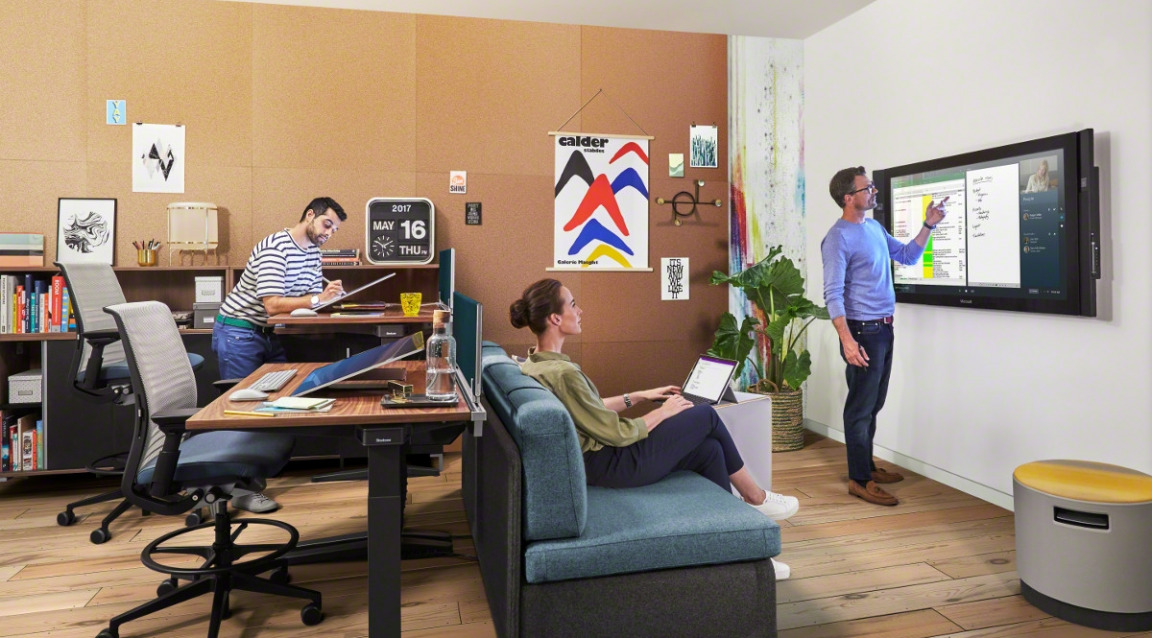
In some professions, time management is an inherent part of the job. For example, project managers, executives, and consultants are often expected to adhere to highly structured schedules and deadlines. In such environments, time management systems are not just helpful; they are necessary. Conversely, those in more flexible or creative fields—such as artists or entrepreneurs—may feel that strict time management systems are counterproductive to their work style.
2. Life Circumstances and Stress Levels
Individuals dealing with high levels of stress or life instability may find it difficult to focus on or commit to structured time management. A person dealing with mental health challenges, financial strain, or family crises might not have the cognitive bandwidth to stick to a time management plan, no matter how effective the system might be. In these cases, a flexible, less demanding approach might work better.
3. Technology and Tools
The proliferation of digital tools and apps has transformed time management for many people. For some, this is a game-changer, as tools like Google Calendar, Trello, or Todoist can help them stay organized and on track. Others may find that too many apps or systems create confusion and overwhelm, leading to a paradox of choice that hampers productivity rather than enhancing it.
Personal Habits and Time Management System Adherence
While personality traits and external factors certainly play a significant role in determining success with time management systems, personal habits are often the deciding factor in whether someone thrives or struggles.
1. Habit Formation
People who are able to form habits around their time management systems—whether it’s checking their calendar every morning or breaking down tasks into small steps—are more likely to succeed in maintaining the system. Habitual use reduces the cognitive load of planning and decision-making, making time management feel like second nature.
2. Consistency vs. Perfectionism
Some people struggle with perfectionism, which can sabotage their time management efforts. They might spend excessive time planning and re-planning, trying to make everything “just right.” This can prevent them from taking action or lead to unnecessary procrastination.
3. Flexibility and Adaptation
Being too rigid with a time management system can lead to burnout. The ability to adapt and adjust a system according to changing circumstances is critical. People who are open to refining their approach and learning from what doesn’t work are more likely to succeed in the long run.
How to Create a Time Management System That Works for You
The key to finding a time management system that works is understanding your unique cognitive style, personality, and external circumstances. Here are some tips for making time management work for you:
- Know Your Strengths: Are you detail-oriented, or do you work best with a big-picture view? Tailor your system to your strengths.
- Keep It Simple: Start with a basic framework and adapt it over time as you become more comfortable with it.
- Be Flexible: Don’t be afraid to modify your system if it’s not working. Experiment with different methods to see what fits.
- Start Small: Begin with just one or two time management strategies and build from there, rather than trying to implement everything at once.
- Prioritize Self-Compassion: If a system doesn’t work for you, don’t be hard on yourself. Recognize that finding a strategy takes time and experimentation.
Conclusion
The effectiveness of time management systems depends on a myriad of factors, from cognitive style and personality traits to external circumstances and personal habits. While some people thrive in structured, systematic environments, others find that rigid schedules stifle their creativity and productivity. Understanding your unique approach to work and time can help you find a system that works best for you. By embracing your strengths, staying flexible, and adapting strategies as needed, you can create a time management system that enhances, rather than detracts from, your daily life.