







Wine aficionados often speak about the distinction between aged wine and young wine with a kind of reverence, as though the two are worlds apart. The debate between whether a well-aged wine truly offers a unique sensory experience that justifies the wait—and the price tag—remains a central discussion in the world of wine tasting. For the uninitiated, the idea of aging wine may seem a little puzzling. After all, isn’t wine simply fermented grape juice? But, as any seasoned sommelier will tell you, the difference between aged and young wine can be profound, and in some cases, even transformative.
But can you really taste the difference? Let’s explore the ways in which age influences wine and whether the benefits of cellaring wine for years on end are perceptible on the palate.
The Science Behind Aging Wine
To understand how aging affects wine, it’s important to first grasp a few basic concepts of winemaking. Wine is composed of water, alcohol, tannins, acids, and various aromatic compounds. These elements all play a role in how wine tastes and smells, and over time, they interact in complex ways that can enhance or diminish certain characteristics of the wine.
Tannins and Acidity
One of the primary factors that contributes to a wine’s aging potential is the presence of tannins—polyphenolic compounds found in grape skins, seeds, and stems. Tannins provide structure to a wine, giving it that dry, astringent sensation, especially in young red wines. However, tannins evolve with time. As wine ages, these tannins polymerize, or bond together, softening and integrating into the wine’s overall structure. This softening effect helps the wine feel smoother and less harsh.
Acidity also plays a significant role in the aging process. In young wines, higher acidity can give a wine a fresh, vibrant quality. Over time, however, this acidity diminishes, and as it does, the wine can take on a more mellow, round character.
Oxygen and Oxidation
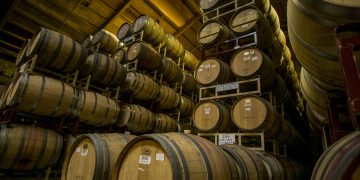
The aging process involves a delicate relationship with oxygen. When wine is stored in oak barrels, a small amount of oxygen interacts with the wine over time, allowing it to develop complexity and deeper flavors. This oxidation process is slow but crucial. In bottle-aged wines, particularly those with cork closures, tiny amounts of oxygen are allowed to permeate through the cork, continuing this gradual transformation.
If wine is exposed to too much oxygen, however, it can spoil, turning “flat” or vinegary. But in moderate quantities, oxygen helps round out the rough edges of a wine, allowing its various components to meld together in harmony. This is why many aged wines seem smoother, with more integrated flavors than their younger counterparts.
Aged Wine: What Happens to the Flavors?
Wine aging doesn’t just transform texture; it alters the very flavors and aromas of the wine. The transformation that occurs over time is a balance between oxidation, evaporation, and the interplay of the wine’s chemical components.
Red Wines: Bold to Subtle
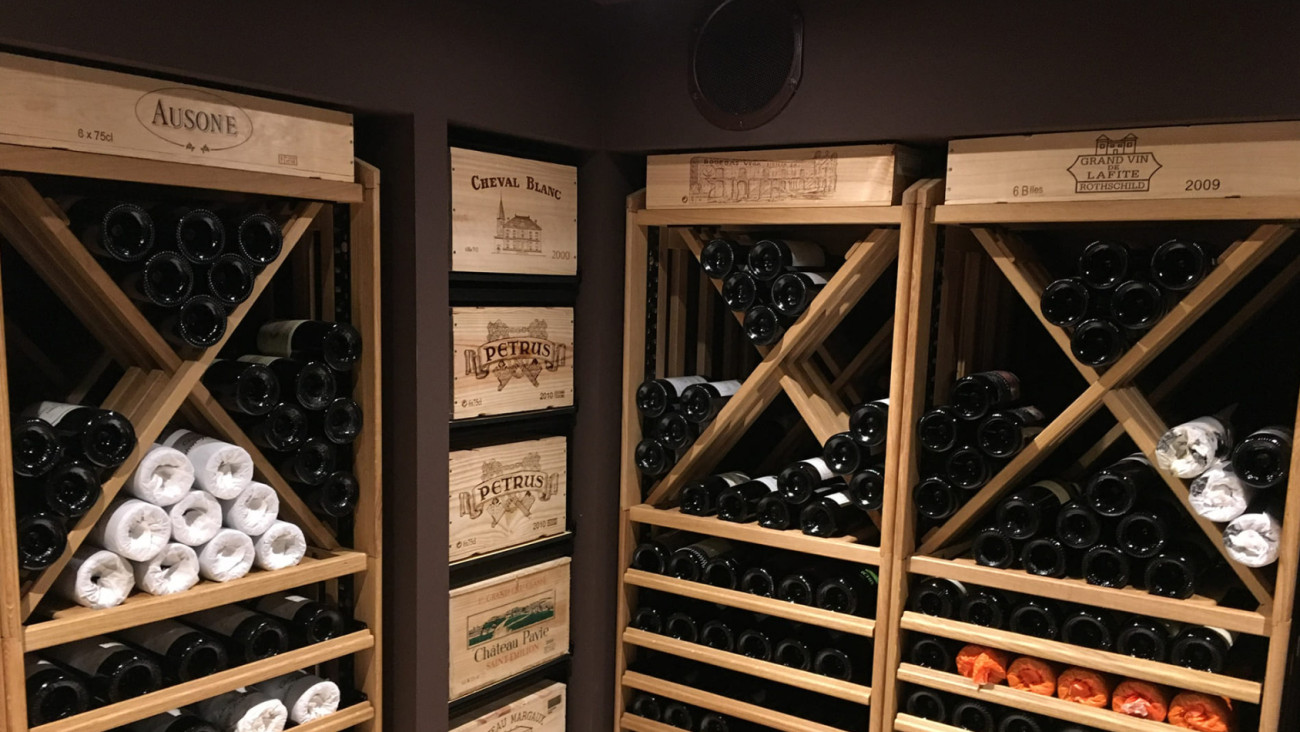
In red wines, aging softens the tannins and leads to a more balanced flavor profile. Young red wines, like a fresh Cabernet Sauvignon or Syrah, can often be intense and fruit-forward, offering bold flavors of blackberries, cherries, and spices. These wines may also have a noticeable tannic “bite”—a sharpness that can sometimes overshadow other characteristics.
As these wines age, the vibrant fruit flavors begin to fade, and the wine starts to reveal more subtle secondary and tertiary notes. You might begin to pick up hints of leather, tobacco, earthy mushrooms, or dried herbs. The intense fruitiness of a young wine makes way for these more complex flavors, creating a wine with a smoother, more sophisticated palate.
White Wines: Freshness to Depth
The aging process for white wines follows a slightly different trajectory. Young white wines, such as Chardonnay, Sauvignon Blanc, or Pinot Grigio, often display bright acidity and fresh, fruity notes of citrus, green apple, and floral aromas. They are typically crisp and refreshing, ideal for enjoying in the warmer months.
As white wines age, the acidity mellows, and the wine begins to develop more rich and nuanced flavors. For example, an aged Chardonnay can transition from a fresh, zesty wine to one that has deeper notes of butter, vanilla, and even toasted nuts, depending on whether it underwent oak aging. Some white wines, like Riesling, may develop honeyed notes, while others may take on a more savory, earthy character with age.
Sparkling Wines: Yeast to Toast
The aging of sparkling wines, particularly those made in the traditional Champagne method, is perhaps the most dramatic. Young sparkling wines are typically lively and fresh, with a crisp and effervescent profile. However, as sparkling wines age, their yeasty character becomes more pronounced, and they develop complexity. You might start to notice flavors of baked bread, brioche, or toasted almonds—defining characteristics of a well-aged Champagne or sparkling wine.
The aging process also leads to finer bubbles, creating a smoother mouthfeel and a more refined drinking experience.
Young Wine: Is It All About Freshness?
While aged wine has its devoted following, young wines have their own charm. In fact, many wines are crafted to be consumed young, showcasing the fresh and vibrant qualities of the fruit from which they are made.
Fruit Forward and Lively
Young wines are often characterized by their vibrant fruit flavors and crisp acidity. These wines can be incredibly refreshing, especially when paired with lighter foods. Think of a youthful Sauvignon Blanc with its zesty citrus notes or a bright, juicy Pinot Noir that showcases red berry flavors. The immediacy of a young wine can be alluring, offering an easy-drinking, no-fuss experience.
Lower Complexity, More Direct Appeal
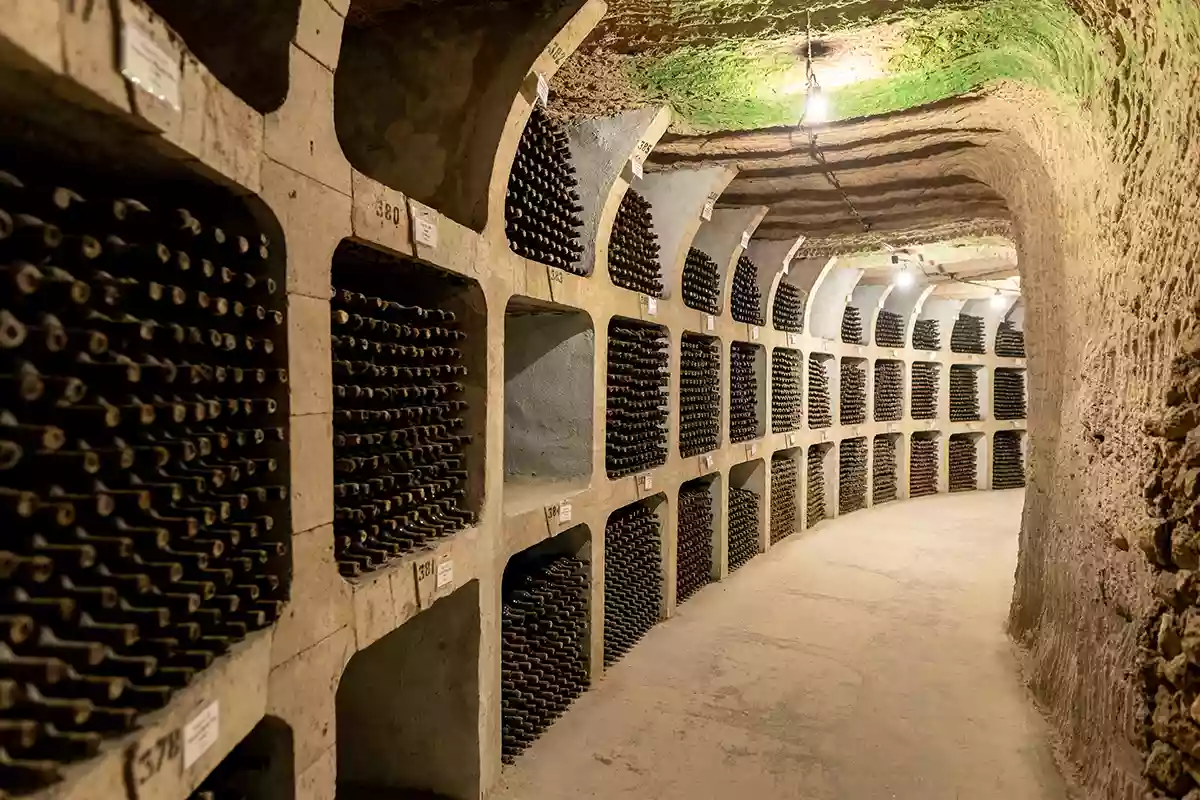
The main difference between young wines and their aged counterparts is their complexity. Aged wines, due to time spent maturing, tend to develop a range of nuanced flavors that can be savored over time. Young wines, by contrast, tend to be more straightforward in their flavor profiles. Their focus is on freshness, which can be a major selling point for those who enjoy lively, accessible wines.
While young wines can lack the depth and smoothness of aged wines, they often excel in their ability to showcase the purity of the grape. Whether it’s the bright acidity of a young white or the exuberant fruit character of a young red, these wines can deliver an immediate and satisfying drinking experience.
The Role of Terroir
One key factor that influences both the aging potential and character of a wine is its terroir—the unique combination of soil, climate, and vineyard practices that shape the grapes from which the wine is made. Wines from cooler climates, such as those from Burgundy or Oregon, may have higher acidity, which can allow them to age gracefully. Conversely, wines from warmer regions, like Napa Valley or Barossa, may have lower acidity but higher tannin levels, which also make them suitable candidates for aging.
In addition to climatic factors, vineyard practices such as the use of organic or biodynamic farming methods, as well as the decision to use oak barrels, all contribute to a wine’s aging potential. A wine’s terroir and the choices made by the winemaker work in tandem to create a wine that will either benefit from aging or is best consumed while fresh.
The Practical Consideration of Aging Wine
The decision to age a wine isn’t just a matter of taste—it’s also a matter of practicality. Not every bottle of wine is designed to improve with age, and it can be an expensive and time-consuming process to properly store wine for years. Additionally, the ideal aging conditions—cool, dark, and stable environments with proper humidity—are not always easy to achieve.
The Right Wines for Aging
While some wines are meant to be consumed young, others are specifically crafted with aging in mind. These include wines with high tannin content (like Bordeaux, Barolo, or Napa Valley Cabernet Sauvignon) and those with good acidity (such as Riesling or Champagne). The best wines for aging are generally those that have a strong structural backbone and balance, ensuring that they will evolve in complexity over time rather than spoil.
The Challenge of Predicting the Future
Another challenge when it comes to aging wine is the unpredictability of how a wine will evolve over time. There are numerous factors that can influence the aging process, from storage conditions to the unique characteristics of the vintage. Even the best wine critics and sommeliers cannot always predict with certainty how a wine will taste years down the line.
In the end, aging wine is a bit of a gamble. Some wines may improve drastically with age, while others may not evolve as expected, or may even lose their appeal after a certain period. For many wine lovers, however, this sense of unpredictability only adds to the allure of aging wine.
Conclusion: To Age or Not to Age?
So, can you taste the difference between aged wine and young wine? The answer is a resounding yes—though the differences will vary depending on the type of wine, its terroir, and the aging conditions. For some, the rich, nuanced complexity of an aged wine offers an unparalleled drinking experience. For others, the freshness, vibrancy, and immediate appeal of young wine are more desirable. Ultimately, whether you prefer the smooth elegance of an aged Bordeaux or the lively fruitiness of a young Pinot Noir, both options offer something unique.
Aged wine certainly has its place in the world of wine tasting, offering a richer, more complex experience for those willing to wait. But young wine, with its pure, unadulterated fruit expression, holds a charm that should not be overlooked. The beauty of wine lies in its diversity—there’s no right or wrong choice. It’s about finding what speaks to your palate and enjoying the journey.