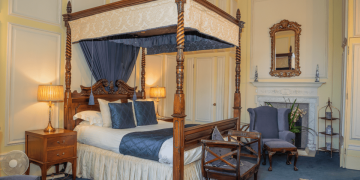











In recent years, boutique hotels have risen from niche alternatives to mainstream accommodation options, with more and more travelers opting for these intimate and often unique establishments. As the travel industry continues to evolve, so too does the nature of what people are looking for in a place to stay. While big chains and standard hotels have their place, boutique hotels offer a charm and distinctiveness that many guests now crave. But what exactly is behind this surge in popularity? Why are boutique hotels becoming such a sought-after choice?
1. The Appeal of Personalization
One of the key factors driving the rise of boutique hotels is the increasing desire for personalized experiences. Unlike large hotel chains that often operate on a standardized model, boutique hotels are designed with a more intimate, customer-centric approach. With fewer rooms and often a smaller staff, boutique hotels are able to focus more on tailoring the guest experience to individual preferences.
Guests are no longer content with one-size-fits-all service. They seek unique experiences that reflect their tastes and preferences. Boutique hotels cater to this by offering custom-tailored amenities, personalized services, and a warm, home-like atmosphere. Whether it’s a personalized welcome note, a curated local experience, or even specific room preferences being met, the boutique hotel offers a high level of customization that big chain hotels simply can’t match.
2. The Allure of Locality and Design
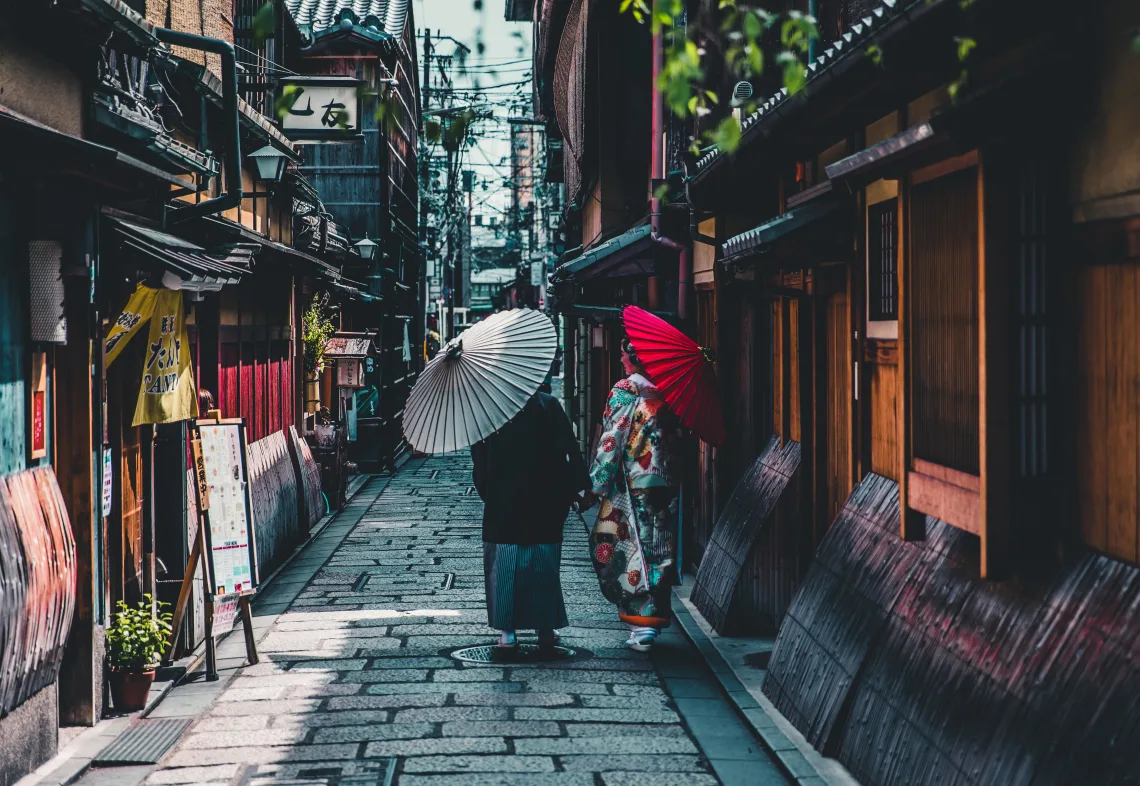
Boutique hotels are often tied to their local surroundings, with designs and architecture that reflect the culture, history, and vibe of the area. In contrast to chain hotels that could be located anywhere in the world and feature standardized designs, boutique hotels create a sense of place. Whether it’s an old industrial building transformed into a stylish urban retreat or a small coastal inn decorated with locally sourced materials, these hotels immerse guests in the local culture from the moment they arrive.
The interiors of boutique hotels also tend to stand out. Designers often use a mix of art, vintage furniture, and local artifacts, creating a unique ambiance that tells a story. Guests who stay at boutique hotels are often looking for a memorable experience, and the aesthetic appeal of these establishments is a major factor in making the trip feel special.
3. Unique Experience Over Mass Consumption
As consumers grow more conscious of their experiences rather than just consuming goods, boutique hotels provide a meaningful alternative. Rather than checking into a large hotel that focuses on quantity over quality, boutique hotels offer an immersive experience that focuses on quality, local flavor, and personalization. There is an increased demand for “experiential travel,” which can’t always be achieved by staying in an impersonal, cookie-cutter hotel room.
The ethos behind boutique hotels often aligns with this shift toward quality over quantity. The boutique experience is all about authenticity and making every detail count—from the design to the food to the experiences that are offered. Guests at boutique hotels often find themselves in the heart of vibrant neighborhoods, where they can enjoy local art, food, and culture, making their stay far more enriching than a standard hotel experience.
4. A Sense of Exclusivity
Another appealing factor of boutique hotels is their exclusivity. While large chain hotels may offer hundreds or even thousands of rooms, boutique hotels are usually much smaller, often with only a handful of rooms available. This limited capacity means that each guest receives more attention, creating an atmosphere of exclusivity that travelers enjoy.
Guests appreciate the notion that they are staying in a space that feels more private and less corporate. It’s about staying in a place that feels “special,” rather than just another stop on a well-worn tourist path. The exclusivity of boutique hotels also makes them attractive for those seeking a quieter, more peaceful getaway, away from the hustle and bustle of mass tourism.
5. Support for Local Communities
Boutique hotels often contribute to the local community in ways that large chains can’t. Many boutique hotels pride themselves on using locally sourced materials, hiring staff from the surrounding area, and partnering with local businesses. This direct connection to the local economy not only helps create a more authentic experience for guests, but it also makes travelers feel that they are supporting a community instead of staying at a globalized, impersonal hotel.
Guests are increasingly drawn to the idea of responsible and sustainable travel, and boutique hotels are often more conscious about their environmental impact and the well-being of the community. By choosing boutique accommodations, travelers feel like they are making a positive contribution to the places they visit, whether through eco-friendly practices, supporting local artisans, or helping to sustain small, independent businesses.
6. Social Media and the “Instagrammable” Factor
In the age of social media, particularly Instagram, the visual appeal of a hotel is more important than ever. Boutique hotels often design their spaces with the idea that they will be shared online. The trend of wanting to post aesthetically pleasing photos of one’s travels has led to a surge in the popularity of hotels that are visually striking or unique in some way.
From lush garden rooftops and retro-inspired rooms to quirky details like neon signs or eclectic décor, boutique hotels often have that special visual charm that encourages guests to share their experience with their followers. For many travelers, staying in a hotel that looks good on Instagram is just as important as the comfort it provides. Boutique hotels understand this desire for “Instagrammable” moments, and they capitalize on it by creating visually stunning spaces.
7. The Increasing Trend Toward Wellness and Mindfulness
As people become more focused on wellness and mindfulness, boutique hotels have adapted to cater to this growing trend. Many boutique hotels now offer amenities designed to help guests relax and recharge, such as spa services, yoga sessions, and mindfulness workshops. These hotels are not just places to sleep; they are spaces that help foster physical and mental well-being.
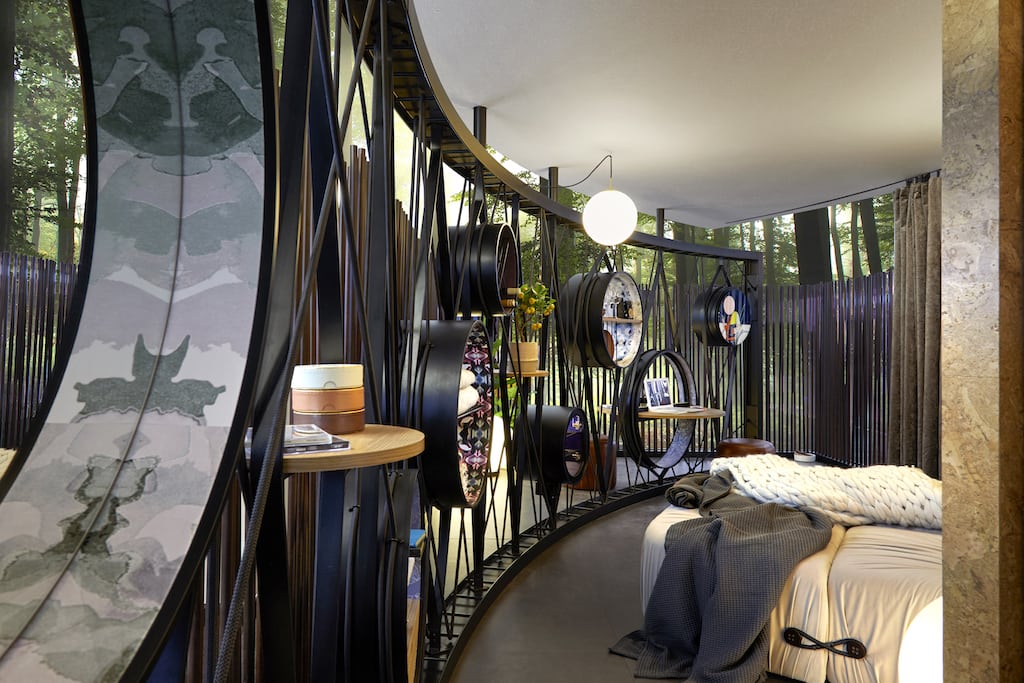
Wellness-focused boutique hotels often feature serene design elements like natural light, calming color schemes, and organic materials, creating an atmosphere of relaxation and rejuvenation. This aligns with the overall shift in consumer behavior toward self-care and mindfulness, making boutique hotels a natural fit for travelers looking to de-stress or unplug from their busy lives.
8. A Return to Simplicity
In a world where travelers are often overwhelmed by excess, boutique hotels offer a sense of simplicity and clarity. The minimalist design trend that many boutique hotels embrace emphasizes clean lines, functional spaces, and a focus on the essentials. This can be a refreshing change from the over-the-top luxuries and cluttered décor often found in larger hotels. For some travelers, boutique hotels represent an antidote to the excesses of modern life, offering a pared-down experience that is more in tune with nature and inner peace.
With a focus on quality over quantity, boutique hotels provide an environment where guests can focus on what matters most—their experience and well-being—without unnecessary distractions. This return to simplicity resonates with travelers who are seeking a more mindful, less materialistic way of living, even while on vacation.
9. Flexible and Innovative Business Models
Boutique hotels are often able to be more flexible and innovative in their business models compared to larger chains. They can experiment with new concepts, like co-living spaces, hybrid hotel-hostel models, or unique partnerships with local events, artists, or restaurants. This flexibility allows boutique hotels to create niche offerings that attract a particular type of traveler—whether it’s digital nomads, creatives, or eco-conscious tourists.
Additionally, boutique hotels are often more agile in adapting to market changes. For example, in response to the COVID-19 pandemic, many boutique hotels implemented more stringent hygiene protocols, flexible booking options, and enhanced outdoor spaces, which gave them a competitive edge over larger chains with slower adaptation times.
10. The Future of Boutique Hotels
As travelers continue to seek more personalized, unique, and immersive experiences, the popularity of boutique hotels shows no sign of slowing down. The ongoing desire for authenticity, local flavor, and exceptional service is likely to shape the future of the hospitality industry. While big hotel chains may continue to dominate certain markets, boutique hotels are carving out a lasting niche for themselves, offering experiences that cater to the evolving needs of today’s travelers.
As boutique hotels evolve and continue to redefine the concept of luxury, expect to see even more creative and innovative approaches to design, service, and sustainability. Whether it’s through the incorporation of cutting-edge technology or the rise of eco-friendly boutique properties, the future of boutique hotels promises to be as dynamic and exciting as their growth over the past decade.