











In a world that is increasingly interconnected, stories have become one of the most powerful bridges that connect humanity across geographical, cultural, and linguistic divides. While specific cultural contexts often shape narratives, some stories manage to transcend the boundaries of language and culture. They speak to the shared experiences of humanity—evoking emotions, thoughts, and ideas that resonate universally, regardless of one’s background.
But why do some stories have this remarkable ability to resonate with so many different people across the globe? What is it about these tales that makes them not only enduring but also impactful, regardless of the language they are told in or the culture they emerge from? In this article, we will explore the psychology, universal themes, and narrative structures that make stories transcend language and culture.
1. The Universal Nature of Human Emotions
At the heart of every compelling story lies the ability to evoke emotion. Emotion is the universal language that connects all people, no matter where they come from. Whether it’s love, fear, anger, joy, or sadness, these basic emotional experiences are shared by everyone, regardless of their cultural background or native tongue. This is why a well-crafted story that taps into the core of human emotion can resonate universally.
Take, for example, William Shakespeare’s Romeo and Juliet. The tale of star-crossed lovers, family feuds, and tragic fate has been adapted and retold in countless cultures and languages over the centuries. The emotional themes of love, sacrifice, and loss are so deeply human that they speak to us, no matter our cultural context. Similarly, the works of Tolstoy, Dostoevsky, and even modern authors like Haruki Murakami share these universal emotional undercurrents, making their stories resonate worldwide.
The emotional power of these stories stems from the fact that they tap into the intrinsic emotional wiring of human beings. Emotions, by their very nature, transcend barriers. A story that is emotionally compelling doesn’t require a specific cultural context to be understood; the reader or listener simply has to be human.
2. Archetypes and Collective Unconscious
Carl Jung, the famous Swiss psychologist, introduced the concept of the “collective unconscious,” which suggests that all human beings share certain archetypes and symbols that are ingrained in our psyches. These archetypes, which include the hero, the mentor, the villain, and the journey, appear in stories across cultures and time periods. Whether it’s the hero’s journey in mythology or the familiar struggle between good and evil in folklore, these universal motifs tap into deeply ingrained aspects of the human experience.
The presence of archetypes helps explain why stories with similar themes can emerge independently in different cultures. For instance, the story of a hero embarking on a dangerous quest to achieve a noble goal is a narrative that can be found in nearly every culture, from the ancient myths of Greece to the epics of India to modern-day Hollywood blockbusters. These universal symbols and themes strike a chord with people from different cultures, as they tap into fundamental aspects of human life.
For example, the story of King Arthur in the West shares striking similarities with the Rama of Hindu mythology or the Hercules myth. All three narratives involve an extraordinary individual who embarks on a heroic journey, faces internal and external challenges, and ultimately transforms both themselves and their world.
By appealing to these shared archetypes, these stories transcend cultural boundaries, resonating with people who might otherwise be unfamiliar with the specific customs and traditions of the culture from which the story originates.

3. The Power of Simplicity and Structure
One key characteristic of stories that transcend cultural and linguistic barriers is their simplicity and clarity. A simple, straightforward narrative that focuses on clear themes and universal emotions can be easily understood and appreciated by people of different cultures and backgrounds. Even when told in a foreign language, the essence of these stories can shine through, making them accessible and relatable to anyone.
Consider the story of Cinderella, one of the most famous folktales in the world. While the specific details of the tale vary from culture to culture—such as the name of the protagonist or the role of magic—its core structure remains remarkably consistent. A young woman is mistreated by her stepmother and stepsisters but ultimately finds happiness through an extraordinary intervention, often involving magic or divine assistance.
The simplicity of this narrative structure—along with its themes of resilience, kindness, and transformation—allows it to resonate universally. It doesn’t require a deep understanding of a specific culture to appreciate the story’s message. The emotional arc of overcoming adversity is something that all humans can relate to, regardless of cultural background.
4. The Role of Symbols and Metaphors
Another reason some stories transcend language and culture is the effective use of symbols and metaphors. A symbol, by definition, carries meaning beyond its literal representation, and often, these meanings are universally understood. For example, the image of light symbolizing hope, or water symbolizing life, is something that appears in stories across cultures.
In The Little Prince by Antoine de Saint-Exupéry, the symbolism of the rose is profound and widely appreciated. While the specific symbol might carry a particular resonance for readers familiar with the context of the story, the broader metaphor—the idea that love and relationships require care and responsibility—transcends cultural boundaries. These kinds of metaphors can be understood across linguistic divides, allowing a story to be appreciated by people of different cultural traditions.
Similarly, in the Bible, the use of parables and symbolic acts conveys deep truths that have resonated with people from different cultural and religious backgrounds for centuries. The story of the Good Samaritan, for instance, transcends the Christian context to communicate a universal message about kindness, empathy, and helping others regardless of their background or identity.
These symbols and metaphors create a kind of linguistic shorthand that bypasses the need for detailed cultural explanations. When well-executed, they carry meaning that is easily understood by people from a wide variety of cultures.
5. The Concept of Storytelling as a Shared Human Tradition
Storytelling is a deeply ingrained human tradition. From the earliest cave paintings and oral histories to modern films and digital media, humans have always told stories. The act of storytelling itself is a fundamental part of what it means to be human, and as such, stories that reflect fundamental truths about human existence have the ability to resonate across time and space.
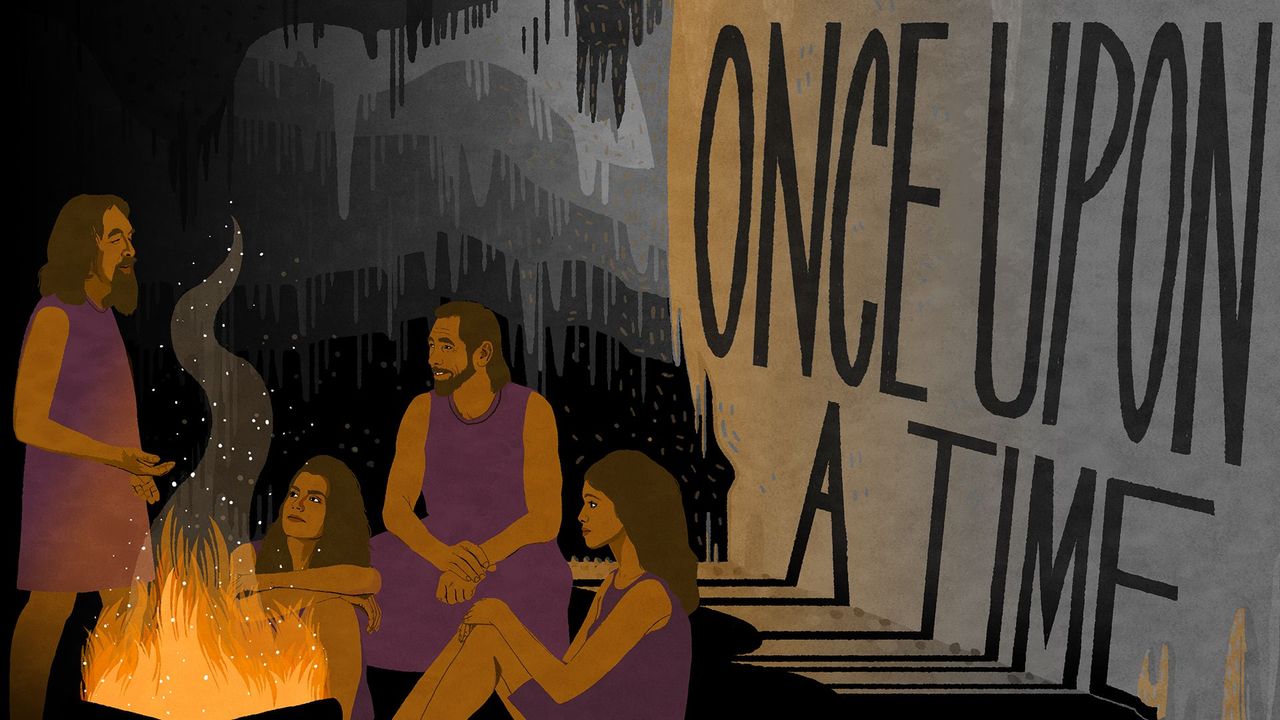
Certain stories survive not only because of their themes or structures but because they capture aspects of the human condition that are universally relevant. The experience of overcoming hardship, seeking justice, or desiring love are central to the human story, regardless of where a person comes from or what language they speak.
Furthermore, the rise of global media and the increasingly interconnected world we live in today has made it easier for stories to travel across cultural and linguistic boundaries. Thanks to film, literature, and digital platforms, stories are no longer confined to their original cultural contexts. A film like The Lion King, for instance, is based on Shakespeare’s Hamlet but is told through an African lens. The core themes of the story—family, leadership, and destiny—are universally understood, allowing the film to resonate with audiences around the world.
6. The Enduring Power of Mythology and Folklore
Many of the stories that transcend cultural boundaries are rooted in mythology and folklore. These stories often emerge from ancient traditions that predate written history, passed down orally from generation to generation. They embody the collective wisdom, fears, and desires of entire cultures. While specific mythologies may differ in detail, the core themes of mythic tales—such as creation, death, and the afterlife—are common across cultures.
Consider, for example, the motif of the flood myth, which appears in many different cultures, from the biblical Noah’s Ark to the Epic of Gilgamesh in Mesopotamia to the stories of Native American tribes. These flood myths carry deep symbolic meaning, often reflecting ideas of purification, rebirth, and divine intervention. Because they deal with fundamental human experiences like survival and renewal, these myths have an enduring appeal.
Folklore, too, has a similar power to transcend cultural boundaries. Stories of witches, monsters, and magical creatures often serve as metaphors for human fears and desires. They can be adapted and reinterpreted to reflect contemporary concerns while still holding onto the timeless themes that make them universally relevant.
7. The Influence of Globalization and Technology
In the modern era, the power of stories to transcend cultural boundaries is amplified by globalization and technology. Through books, films, and the internet, stories are shared, adapted, and reinterpreted on a scale that was previously unimaginable. This has led to a greater exchange of cultural narratives, making it easier for people from different parts of the world to encounter and appreciate stories from other cultures.
Films like Parasite, Crouching Tiger, Hidden Dragon, and Slumdog Millionaire demonstrate how stories with distinct cultural settings can captivate global audiences. These films not only entertain but also introduce viewers to new cultural perspectives, fostering a deeper appreciation for diversity while also highlighting the common threads that unite humanity.
As digital platforms continue to thrive, storytelling will become even more universal. Podcasts, blogs, social media platforms, and YouTube videos allow stories to be shared across linguistic and cultural boundaries, creating a global narrative landscape in which stories from different cultures are woven together.
Conclusion
Stories have an extraordinary power to transcend the barriers of language and culture. Whether through universal emotions, shared archetypes, simple yet profound structures, powerful symbols, or the timeless nature of myths, certain stories speak to the very core of what it means to be human. As technology and globalization continue to evolve, the sharing of stories across cultural divides will only increase, enabling even more people to find common ground through the art of storytelling.
In the end, the stories that transcend language and culture remind us that despite our differences, we all share similar hopes, fears, and dreams. And in these shared stories, we find the bonds that unite us all.