







When you’re planning a solo trip, whether it’s for business, leisure, or adventure, one of the most crucial aspects of your journey is ensuring that your accommodation is safe. After all, a hotel is where you’ll spend a significant amount of time, and it should provide not only comfort but peace of mind. The last thing any solo traveler wants is to feel vulnerable in an unfamiliar place. So, how do you know if a hotel is truly safe for someone traveling alone?
In this guide, we’ll take a closer look at how to evaluate hotel safety, from the moment you book your room to the moment you check out. We’ll cover everything from location and staff professionalism to room features and common sense tips that can make all the difference in keeping you secure. Whether you’re booking a boutique hotel in a bustling city or a remote retreat by the beach, the advice here will help you make an informed decision.
1. Research the Location: Safety Starts with the Neighborhood
The safety of a hotel starts long before you step inside. It begins with the surrounding neighborhood. A hotel’s location can significantly impact your security, so it’s essential to research the area thoroughly before booking.
Do your research online:
Look up recent reviews on various platforms like Google, TripAdvisor, or Booking.com to see what past guests have said about the hotel’s neighborhood. Pay attention to comments regarding safety and security. A few mentions of concerns might not be enough to deter you, but if there’s a pattern of negative feedback about crime or dangerous areas nearby, it’s worth reconsidering your choice.
Use crime maps:
Many cities offer online crime maps that track incidents of theft, assault, or other criminal activity. Websites like NeighborhoodScout (for US-based destinations) or local police department sites can give you an overview of the area’s safety.
Check proximity to public transport:
While convenience is key, you also want to assess the safety of getting around. A hotel near a bus stop or train station might be practical, but check if these areas are well-lit, busy during the day, and secure at night. Solo travelers should avoid hotels near transit stations that are known to have high crime rates or sketchy surroundings.
2. Hotel Reputation: A Trusted Brand or Boutique Wonder?
Whether you’re opting for a global hotel chain or a charming boutique hotel, the reputation of the establishment plays a major role in determining its safety for solo travelers. Reputable hotels are more likely to prioritize guest security, from surveillance systems to trained staff.
Chain hotels versus boutique options:
Brand-name hotels often invest in security measures because their reputation is on the line. Well-known chains also provide consistency across locations. However, boutique hotels and smaller inns are not necessarily unsafe, but they may lack certain standard security features. If you choose a boutique hotel, make sure it has good reviews from solo travelers, and check whether it has modern security protocols in place.
Look for industry certifications:
Hotels accredited by safety organizations, like the Safe Hotels certification or other global safety standards, often provide peace of mind. These certifications ensure the hotel has passed certain safety and security checks. This can be especially useful for international travelers who might be unfamiliar with local safety standards.
3. Check the Hotel’s Security Features
When it comes to choosing a hotel that ensures your safety, security features are one of the most important factors to consider. A safe environment goes beyond a locked door; it’s about proactive measures that minimize risk and promote security.
24/7 Front Desk Service:
Hotels with a 24-hour front desk service offer an additional layer of security. A hotel that has someone manning the desk at all hours provides a sense of safety, especially if you arrive late at night. Staff presence can deter criminal activity and offer immediate help in case of an emergency.
Keycard Entry Systems:
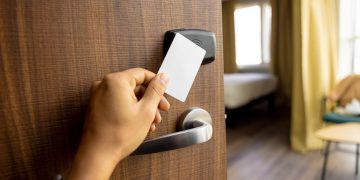
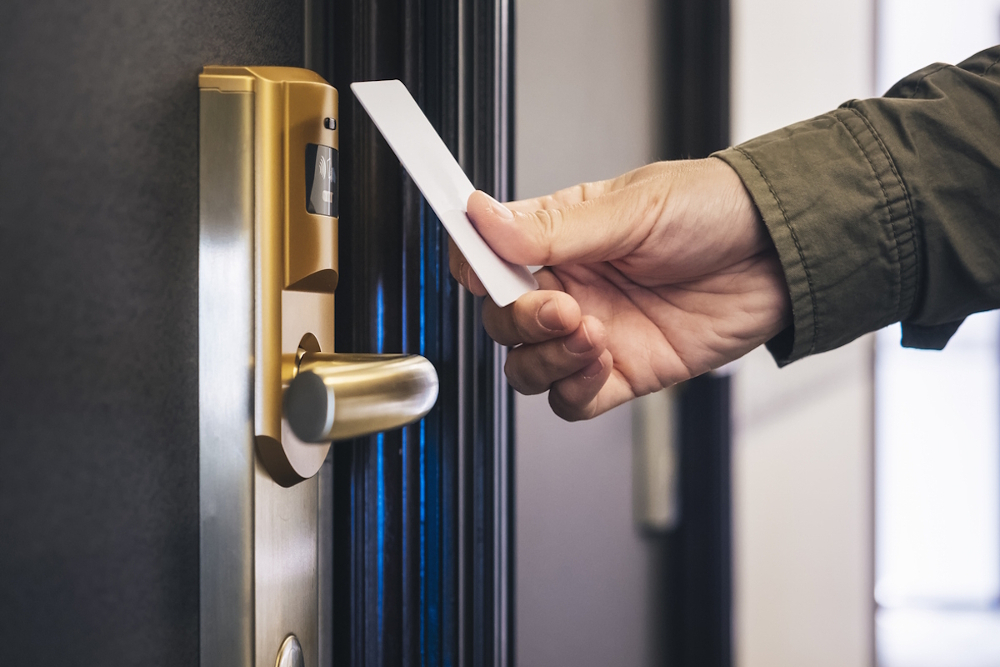
Most modern hotels use electronic keycard systems for room access. These are much safer than traditional keys because they are harder to duplicate. Ensure that the hotel you choose has a keycard system that doesn’t open multiple rooms on a single card. Your room should only be accessible with your keycard, and in some cases, there may be added security measures, such as a secondary lock inside the room for additional protection.
In-Room Safes:
For solo travelers, personal security often includes the safety of your belongings. A room with a built-in safe allows you to store valuables securely when you’re not in your room. Look for hotels that offer this service, and check that the safe is large enough for your laptop, camera, or passport.
Surveillance Cameras and Security Staff:
Many hotels, especially those in larger cities, have surveillance cameras throughout the premises, including hallways, parking lots, and entrances. This is an important safety measure that can deter criminal behavior. Hotels with visible security personnel or patrols during late hours are often safer, as they provide a presence that discourages bad actors.

Emergency Exits and Fire Safety:
When you check into your room, take a moment to locate the nearest emergency exits, including stairwells. Make sure the hotel has an up-to-date fire safety system, including alarms, sprinklers, and extinguishers. In case of an emergency, having an exit plan is essential for your safety.
4. Room Considerations: Finding the Right Room Can Make a Big Difference
When staying in a hotel as a solo traveler, the safety of your specific room matters just as much as the hotel itself. Some rooms are more secure than others, and your selection can influence your peace of mind.
High floors are safer than low ones:
If you’re concerned about break-ins, opt for a room on a higher floor. Ground-floor rooms are more accessible to intruders, while higher floors often have the added benefit of greater privacy and fewer passersby.
Avoid rooms near public areas:
Rooms located near elevators, stairwells, or lobbies may be more exposed to people passing by. These areas can be more vulnerable to intruders or unwanted attention. Consider booking a room that’s more secluded, ideally away from high-traffic areas.
Check for room locks and security features:
Always make sure that the door locks securely, and if possible, ask for a room with a deadbolt or additional locking mechanism. Some hotels provide a security chain or a slide bolt on the inside of the door, which offers additional protection while you’re in the room.
5. Staff Behavior: Friendly but Professional
The professionalism and attentiveness of hotel staff can tell you a lot about the establishment’s commitment to guest safety. A hotel with trained staff who are helpful but not overly friendly can indicate that they respect guest privacy while maintaining a secure environment.
Staff ID and Behavior:
Upon check-in, ensure that staff members wear clear identification badges. Unprofessional or overly familiar staff could raise concerns, especially when traveling solo. Staff who respect your privacy, yet remain helpful when needed, create a safe and secure atmosphere for solo travelers.
Security Awareness:
In reputable hotels, staff are trained to recognize signs of suspicious behavior and know how to respond to emergencies. Ask about the hotel’s emergency protocols and how they handle guest safety issues. Their response can give you insight into the hotel’s seriousness about security.
6. Solo Traveler-Friendly Policies
Some hotels cater specifically to solo travelers, offering additional services or guarantees that enhance your safety.
Single Occupancy Rooms:
Certain hotels offer special accommodations or services for single travelers. These might include special rates, easier check-in procedures, or rooms located in quieter, safer areas of the building. Be sure to inquire about any policies or services that could benefit solo travelers.
Security Escorts:
In some cities, especially in areas that might have higher risks, hotels may offer escorts to your room after dark or provide a security guard who walks guests to their rooms. While it’s not a guarantee, it’s a feature offered by certain high-end hotels or those in less tourist-friendly areas.
7. Trust Your Instincts: Listen to Your Gut
In the end, your intuition is a powerful tool when evaluating a hotel’s safety. If something feels off when you arrive—whether it’s the behavior of the staff, the condition of the building, or your overall comfort level—it’s okay to walk away. Trusting your instincts can sometimes be the best protection of all.
Conclusion: Your Safety is Worth the Investment
When you’re traveling solo, the importance of a safe hotel cannot be overstated. From checking the neighborhood’s safety to evaluating the hotel’s features and staff, every detail contributes to your security. By doing your homework and making informed choices, you’ll increase your chances of having a safe and enjoyable experience while traveling alone. Always remember, it’s not just about the hotel’s amenities—it’s about how they prioritize your security.