










Jet lag is a traveler’s worst nightmare. Whether you’re hopping across time zones for work or leisure, the sudden disruption of your body’s circadian rhythm can leave you feeling disoriented, exhausted, and unproductive. In an increasingly globalized world, where long-haul flights are more common than ever, jet lag has become an unfortunate companion for many. But what if the place you stay during your travels could make a difference? Could hotels actually help you combat or even avoid jet lag? The answer is yes — and there are more strategies than you might think to help minimize its impact, all thanks to thoughtful hotel designs and services.
What is Jet Lag, Anyway?
Before we dive into how hotels can help, it’s important to understand what jet lag actually is. It occurs when your internal body clock is out of sync with the time zone you’re in. Your circadian rhythm, which regulates sleep-wake cycles, is set to your home time zone. When you fly across multiple time zones, your body struggles to adjust to the new time zone, leading to tiredness, difficulty sleeping, headaches, and other symptoms of jet lag.
The severity of jet lag depends on several factors, including the number of time zones crossed, the direction of travel (eastward flights tend to be harder), and individual factors like age, stress levels, and how well you sleep on the plane.
Now, let’s explore how hotels can help make your journey easier and potentially even alleviate the symptoms of jet lag.
1. Time Zone Adjustments: Advanced Room Scheduling
The first line of defense in tackling jet lag lies in the way a hotel manages its check-in and check-out times. Many hotels, particularly those catering to international travelers, offer flexible check-in and check-out options to ease the adjustment. Some hotels even provide “jet lag packages” that allow for earlier or later access to rooms, giving you a chance to rest and reset your body’s internal clock gradually.
The trick here is in the timing. If you’re arriving early in the morning and can’t check in right away, some hotels offer “nap rooms” or lounges where you can rest while waiting for your room to be ready. This early access allows you to sleep or rest in a controlled environment, setting you up for a smoother adjustment to the local time zone. On the flip side, late check-outs might be available if you need more time to adjust before your departure.
2. Smart Lighting Systems
Hotels that use smart lighting systems may be able to help you manage jet lag more effectively. Bright light exposure, especially during the morning hours, can help reset your circadian rhythm, signaling to your body that it’s time to wake up. Conversely, dimming the lights in the evening can prepare your body for sleep.
Some forward-thinking hotels are adopting dynamic lighting systems that adjust the color and intensity of light in your room based on the time of day. For example, in the morning, the lights might simulate the natural brightness of daylight, helping you wake up and feel energized. At night, the lights might shift to warmer hues, which encourage relaxation and sleep. This technology is particularly beneficial for travelers crossing multiple time zones, as it helps sync your internal clock with the local environment.
Additionally, hotels may provide light therapy lamps or sunrise alarm clocks that help guests manage the transition from one time zone to another. These devices gradually increase the light intensity to mimic a natural sunrise, making waking up more pleasant and less jarring.
3. Sleep-Focused Room Designs
A good night’s sleep is one of the most effective ways to combat jet lag. Many modern hotels understand this and are designing rooms specifically to promote rest. These rooms are equipped with blackout curtains, noise-reducing features, and comfortable mattresses and pillows to help guests sleep more soundly.
Some hotels even go the extra mile with aromatherapy or sleep-enhancing features. For instance, hotels may offer pillow sprays with lavender or chamomile — both of which are known to promote relaxation. Some also provide sleep kits that include earplugs, sleep masks, and calming teas. The goal is to create a serene environment that minimizes distractions, helping you rest as if you were in the comfort of your own home.
Other innovative hotels now offer “sleep pods” or specialty rooms designed with soundproofing, temperature control, and even sleep-inducing music or white noise. The idea is to create the ideal conditions for deep, uninterrupted sleep, which is vital for resetting your body’s internal clock.
4. Wellness Services to Keep You Energized
After a long flight, the last thing you may feel like doing is running on a treadmill or stretching in a yoga class. But exercise can play a significant role in how quickly your body adapts to a new time zone. Fortunately, many hotels offer wellness services that can help you beat jet lag and re-energize.
Spas and fitness centers are becoming standard amenities in hotels that cater to international travelers. Some hotels even offer specialized treatments such as massages designed to reduce muscle tension and promote relaxation. A good massage can help alleviate travel fatigue, soothe your mind, and potentially improve your sleep quality.
Yoga and stretching classes are also growing in popularity, especially in hotels that focus on wellness. These sessions can help you relieve tension, stretch your body after long hours of sitting on a plane, and improve circulation, all of which contribute to a smoother jet lag recovery.
Many high-end hotels also feature “recovery lounges” or wellness suites where you can take part in personalized treatments. These might include infrared saunas, meditation rooms, or even floatation tanks, which can all promote relaxation and aid in the recovery process.

5. Hydration Stations and Nutrition
Jet lag isn’t just about your sleep cycle; it’s also influenced by dehydration and poor nutrition. Air travel, especially long-haul flights, can be very dehydrating due to the dry cabin air. Dehydration exacerbates the symptoms of jet lag, leaving you feeling even more tired and sluggish.
To help combat this, some hotels are offering hydration stations in their lobbies or rooms, stocked with high-quality water and hydrating beverages. These can be a simple yet effective way to help travelers rehydrate upon arrival. In addition, hotels are increasingly recognizing the importance of nutrition in recovery and are offering healthy, jet lag-friendly meal options. Many hotel restaurants now feature dishes rich in fruits, vegetables, and lean proteins — the nutrients that your body needs to re-energize and adjust to a new time zone.
Hotels with wellness-conscious menus may also offer items designed specifically for jet lag recovery, such as turmeric lattes (known for their anti-inflammatory properties) or meals rich in magnesium and vitamin B12 (both of which can help combat fatigue). Some even offer jet lag “cocktails” or teas, which contain ingredients like ginger, peppermint, and ginseng, all of which are believed to support energy levels and digestion after a flight.
6. Personalized Service and Concierge Support
A personalized concierge service can also play a key role in minimizing jet lag. Hotels that offer tailored travel services can help you manage your time and energy more effectively. For example, a concierge might help you plan your day to avoid too much activity during peak fatigue hours, or they could arrange for a private tour that allows you to rest or adjust your body clock gradually.
If you’re unsure about where to eat or what to do after arriving, a hotel concierge can help guide you toward local spots that support wellness or relaxation. Some hotels even offer customized jet lag recovery programs, which may include personalized schedules for light exposure, meals, and rest times, depending on your arrival time and destination.
7. Restorative Environments
Finally, the general environment of the hotel itself can be a powerful tool in combating jet lag. Hotels that are located in peaceful, nature-rich settings — such as beach resorts or mountain retreats — can provide a calming atmosphere that encourages relaxation and mental clarity. The mere act of being in a quiet, restorative space can help you adjust to your new time zone faster.
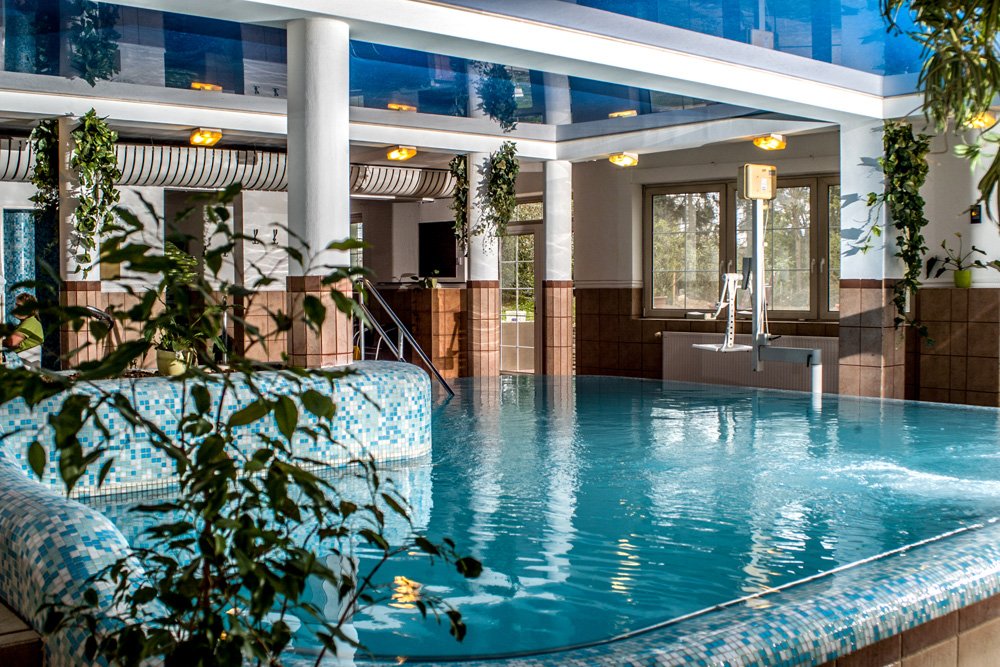
Some hotels are also placing a greater emphasis on biophilic design, incorporating natural elements like plants, water features, and natural lighting into their interiors. These elements not only make the space more pleasant to be in but also reduce stress, promote relaxation, and create an overall sense of well-being.
Conclusion: A Strategic Approach to Beating Jet Lag
So, can hotels help you avoid jet lag? In short, yes. While no single factor can guarantee that you’ll avoid jet lag altogether, the combination of advanced technologies, thoughtful room designs, personalized services, and wellness-focused amenities can make a significant difference in how quickly you adjust to a new time zone. By choosing a hotel that caters to your needs as a traveler, you’re giving yourself the best chance to reduce the discomfort of jet lag and enjoy your trip from the moment you arrive.
Next time you book a hotel for a long-haul trip, consider the factors that can help ease your transition, from sleep-friendly rooms and advanced lighting to wellness programs and hydration stations. A well-chosen hotel might be just the tool you need to combat jet lag and make your travels more enjoyable.