











When you think of staying in the heart of a bustling city, peace and quiet are probably not the first things that come to mind. With the constant hum of traffic, crowds of people, and the nonstop pulse of urban life, finding tranquility in the core of a metropolis seems almost impossible. However, it is not only possible but also increasingly accessible to find serene hotels even in the busiest city centers. This article delves into how urbanites and travelers can enjoy both the convenience of being in the city’s center and the peacefulness of a quiet retreat, exploring both the physical and psychological strategies that make this possible.
The Challenge of Urban Noise
Cities are alive, vibrant places—teeming with people, vehicles, and activities that never seem to stop. From taxis honking their horns to street vendors calling out to passersby, the cacophony is relentless. This constant noise can be overwhelming and detrimental to one’s well-being, affecting everything from sleep quality to stress levels. While it’s easy to get lost in the charm of city lights and cultural attractions, finding peace amidst this turmoil can be a true challenge.
However, the need for peace and quiet is universal, and the hospitality industry has caught on. More and more, hotels are being designed not only for their proximity to major attractions but also for their ability to provide a refuge from the urban storm. But how do they achieve this delicate balance?
Soundproofing: The Modern Hotel’s Best Friend
One of the most effective solutions for ensuring a quiet stay in a busy city is advanced soundproofing techniques. Hotels that prioritize tranquility invest in top-tier soundproofing methods to create a serene atmosphere inside their rooms. Double-glazed windows, acoustic wall treatments, and high-quality materials for floors and ceilings can significantly reduce the intrusion of outside noise.
Double-Glazed Windows
Double-glazed windows are one of the most common and effective methods for blocking out external noise. The space between the two panes of glass acts as a sound barrier, preventing the noise from entering the room. This is particularly useful in hotels located near busy streets or transportation hubs, such as train stations or airports.
Acoustic Materials
Beyond the windows, many hotels use specialized acoustic materials in the walls, ceilings, and floors. These materials absorb sound waves, preventing noise from echoing throughout the room or traveling between different areas of the building. Hotels in noisy areas may even employ soundproof doors to ensure that each guest enjoys a quiet and restful environment.
Strategic Room Placement
Some hotels take advantage of their building’s layout by offering rooms that are situated away from the street, such as those located on higher floors or facing quieter courtyards. By strategically placing rooms in less noisy areas, hotels can ensure that guests experience a quieter stay, even in the heart of a busy city.
Location Matters: Choosing the Right Spot
While soundproofing is crucial, the hotel’s location also plays a significant role in achieving peace and quiet. Some areas of a city are naturally more tranquil than others, and hotels in these districts are likely to offer a quieter experience.
Pedestrian Zones and Green Spaces
Pedestrian zones, where traffic is restricted, can offer a more peaceful environment. Hotels located in these areas often benefit from lower noise levels, as the absence of car engines and honking horns creates a calmer atmosphere. Additionally, hotels located near parks or green spaces can provide guests with a more serene experience, as the sounds of nature, such as birdsong and rustling leaves, can mask the noise of the city.
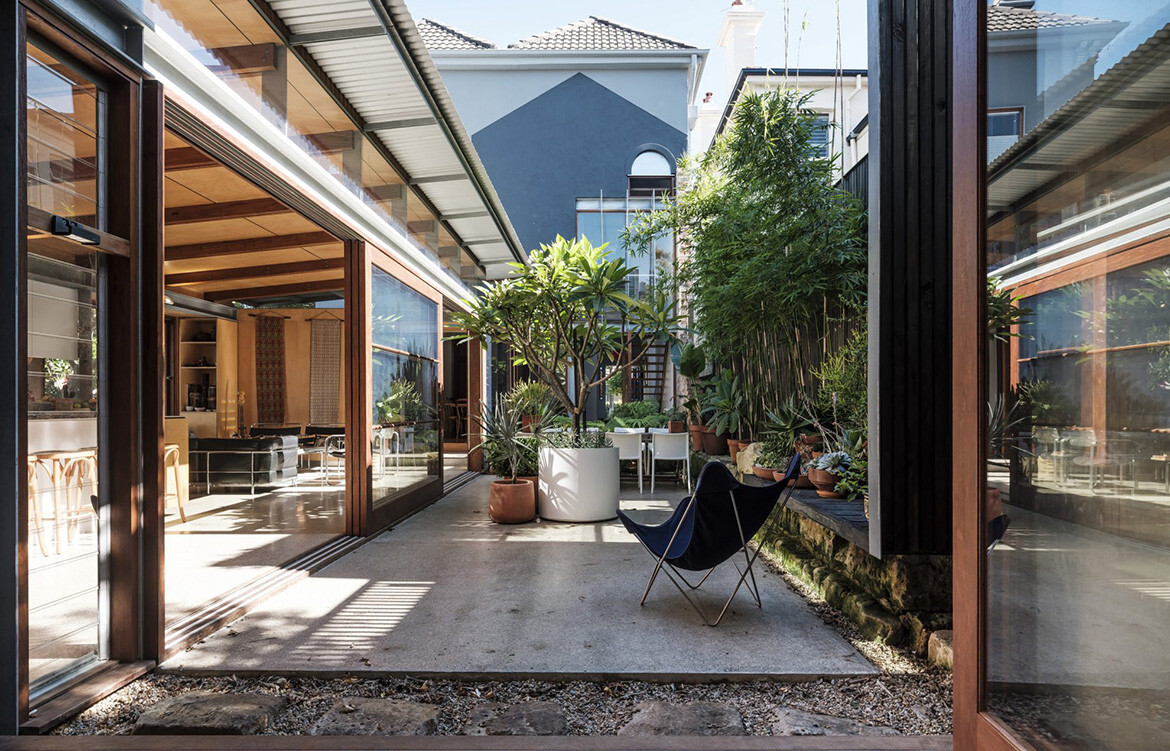
Hidden Courtyards and Alleys
In some of the world’s busiest cities, there are hidden gems nestled in quiet courtyards or tucked away in less trafficked alleyways. These areas often have a completely different vibe compared to the bustling streets, offering a much-needed respite from the noise and crowds. Hotels that are strategically located in such spots can offer their guests both a central location and a peaceful environment.
Off-the-Beaten-Path Hotels
In some cases, it might not be the hotel itself that guarantees tranquility but its specific location within the city. For instance, while some areas might be teeming with nightlife and shopping opportunities, others are known for their quieter, residential neighborhoods. Hotels situated on the outskirts of these hubs, while still offering easy access to main attractions, can provide a more restful experience.
The Role of Hotel Design in Creating Tranquility
Beyond soundproofing and location, the interior design of a hotel also plays a critical role in creating a quiet and relaxing environment. A thoughtfully designed space can enhance a guest’s sense of calm, ensuring that the hotel experience extends beyond just the quality of sleep.
Minimalist and Calming Design
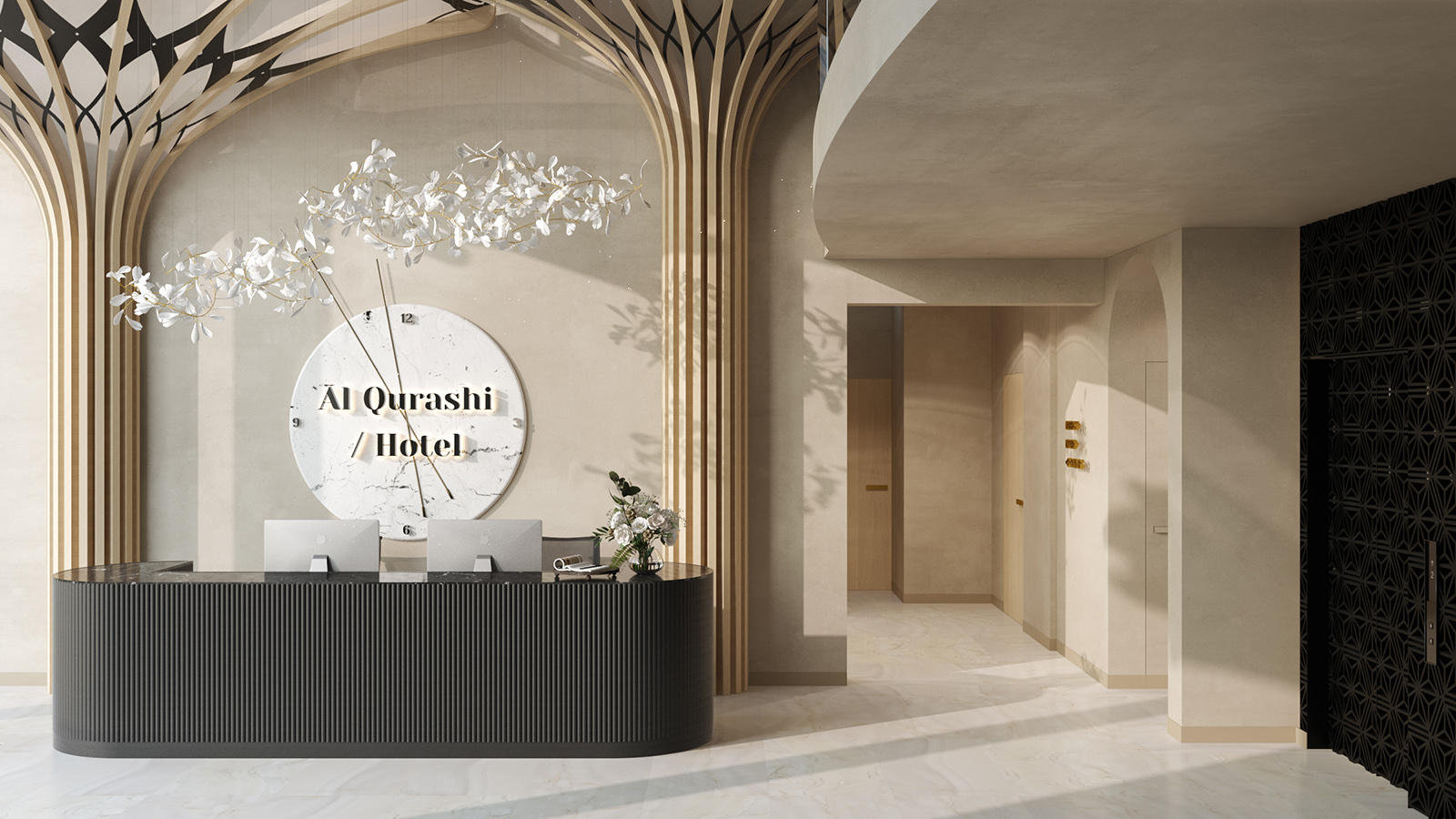
Hotels that focus on providing a serene atmosphere often embrace minimalist design principles. Simple, clean lines, soft lighting, and neutral color palettes all contribute to a peaceful, uncluttered space that promotes relaxation. In contrast to overly ornate or noisy design elements, minimalist interiors help guests feel at ease as soon as they step through the door.
Natural Materials and Lighting
Incorporating natural materials like wood, stone, and textiles into the design can create a more calming atmosphere. These materials are not only aesthetically pleasing but also have a tactile, sensory appeal that helps guests feel more grounded and relaxed. Additionally, natural lighting, or at least lighting that mimics natural daylight, is an essential part of creating a tranquil ambiance. Proper lighting can help regulate circadian rhythms, making it easier for guests to adjust to time zone changes or simply enjoy a good night’s sleep.
A Focus on Comfort
Comfort is key to achieving tranquility, and hotels that invest in high-quality mattresses, sound-absorbing furniture, and luxurious linens go a long way toward ensuring that guests feel fully rested. This is particularly important in city hotels where external noise might otherwise disrupt sleep. By prioritizing sleep quality and comfort, hotels can create an oasis in the midst of urban chaos.
The Psychological Element: Creating a Sense of Quiet
While soundproofing and design are essential, it’s not just the physical environment that contributes to a quiet hotel experience. The psychological aspect of tranquility also plays a crucial role.
Mindfulness and Wellness Offerings
Many modern hotels are integrating mindfulness and wellness practices into their offerings. These could range from in-room meditation guides to full-service spas, yoga studios, and calming soundscapes. By offering activities and amenities designed to foster relaxation and mental clarity, these hotels help guests unwind, both physically and mentally.
Service that Supports Serenity
The level of service a hotel provides can also contribute to its overall sense of calm. Hotels that focus on providing a personalized, attentive experience help guests feel cared for and at ease. From unobtrusive housekeeping staff to concierge services that help guests navigate the city quietly and efficiently, attentive and discreet service can enhance a hotel’s peaceful atmosphere.
Quiet Zones and Policies
Some hotels designate specific areas as “quiet zones,” where noise is kept to an absolute minimum. This can include quiet lounges, libraries, or even rooms specifically designed for relaxation. In addition, many hotels have policies in place to ensure that noise is kept to a minimum after a certain hour, ensuring that guests can enjoy a restful evening without disturbance.
Luxury and Boutique Hotels: A Haven of Quiet in the City
Luxury and boutique hotels are particularly adept at offering a tranquil escape, as they often cater to guests who are seeking both luxury and a high level of service. These types of hotels tend to have fewer rooms, meaning less foot traffic and a more intimate atmosphere. Moreover, they often focus on high-end amenities and unique designs that make them stand out from larger chains. These properties tend to invest more heavily in creating a peaceful environment through careful soundproofing, personalized services, and exceptional interior design.
For those who prioritize both luxury and peace, these hotels can serve as an oasis in the heart of a chaotic city. Some boutique hotels go so far as to offer private balconies, serene garden spaces, or even dedicated wellness programs aimed at helping guests rejuvenate after a long day of city exploration.
How to Find a Quiet Hotel in the Heart of a City
If you’re planning to stay in a bustling metropolis but want to ensure a peaceful experience, here are a few tips for finding the perfect quiet hotel:
- Look for Reviews that Mention Noise: When researching hotels, pay attention to guest reviews, especially those that mention the level of noise or tranquility in the hotel. Guests who have stayed in noisy locations are often quick to highlight this in their reviews.
- Check for Soundproofing Features: Hotels that emphasize their soundproofing techniques, such as double-glazed windows or quiet HVAC systems, are likely to be more successful in providing a peaceful environment.
- Consider Smaller Hotels: Larger, high-traffic hotels tend to have more noise from guests and staff. Smaller boutique hotels or independent properties are often quieter and more intimate.
- Request a Room Facing Away from the Street: If you book a hotel that’s near a busy street, ask for a room that faces a quieter side of the building, such as an inner courtyard or a higher floor.
- Prioritize Hotels in Residential Areas: Residential areas tend to be quieter than commercial or tourist-heavy districts, so booking a hotel in a neighborhood that’s primarily residential can offer a more peaceful experience.
- Look for Green Spaces: Hotels located near parks or other green spaces tend to have a quieter atmosphere, as the surrounding foliage can help absorb noise.
Conclusion
In the end, it is absolutely possible to find a quiet hotel in the heart of a city. Through thoughtful design, advanced soundproofing, strategic location choices, and attention to the psychological elements of peace and comfort, modern hotels are increasingly adept at offering tranquility amidst the hustle and bustle of urban life. With the right tools and knowledge, travelers can enjoy the best of both worlds—a prime city location and the serenity of a quiet retreat.