











The tech industry is one of the most dynamic and fast-paced sectors in the world. In the blink of an eye, new technologies, platforms, and methodologies can emerge, rendering old ones obsolete. To succeed in this environment, staying ahead of the curve is not just an advantage, it’s a necessity. Whether you’re a tech entrepreneur, developer, engineer, or simply someone trying to stay relevant in an ever-changing landscape, understanding the strategies to keep up is crucial.
But how can you stay ahead in a rapidly evolving tech industry? The answer lies in continuous learning, adaptability, building a strong professional network, and developing a future-focused mindset.
1. Embrace Continuous Learning
The Power of Lifelong Learning
One of the key factors to success in the tech industry is the constant pursuit of knowledge. Technologies evolve quickly, and staying updated with new developments can be a challenge. However, embracing continuous learning helps ensure that you are always one step ahead. The moment you stop learning, you risk being left behind.
- Stay Curious: Cultivate a curious mindset. Explore new technologies, frameworks, and languages, even if they aren’t immediately relevant to your job. Curiosity can spark creativity and innovation.
- Online Courses and Certifications: Platforms like Coursera, Udemy, edX, and LinkedIn Learning offer countless opportunities to learn new skills. Taking these courses not only broadens your knowledge but also makes you more marketable.
- Books, Articles, and Blogs: Subscribe to industry publications and follow thought leaders in the tech field. Many experts regularly publish insightful articles and books on emerging trends.
- Conferences and Webinars: Attending or participating in industry conferences and webinars is a great way to stay current. These events often highlight the cutting edge of technology and offer networking opportunities.
The Importance of Soft Skills
While technical proficiency is crucial, soft skills are equally important. Being able to communicate complex ideas effectively, collaborate across teams, and lead projects are essential attributes for any tech professional. You must balance your hard and soft skills, as companies value employees who can both innovate and work well with others.
2. Focus on Emerging Technologies
The tech industry is known for its rapid evolution, and keeping an eye on emerging technologies is key to staying ahead. Every year, new technologies reshape industries and bring new possibilities. Whether it’s AI, blockchain, quantum computing, or 5G, staying informed about these innovations can give you a competitive edge.
Artificial Intelligence and Machine Learning
AI and machine learning are among the most transformative technologies of the 21st century. From autonomous vehicles to predictive analytics, AI is becoming more ingrained in every aspect of life. Professionals who understand how AI works and can apply it will have a significant advantage.

- Learn AI Algorithms: If you’re in software development or data science, mastering AI and ML algorithms is vital. Knowledge in this area is becoming a prerequisite for roles across industries.
- Explore Deep Learning: Deep learning, a subset of machine learning, powers many of the most advanced AI applications today. Understanding its architecture and applications is a key to future-proofing your career.
Blockchain
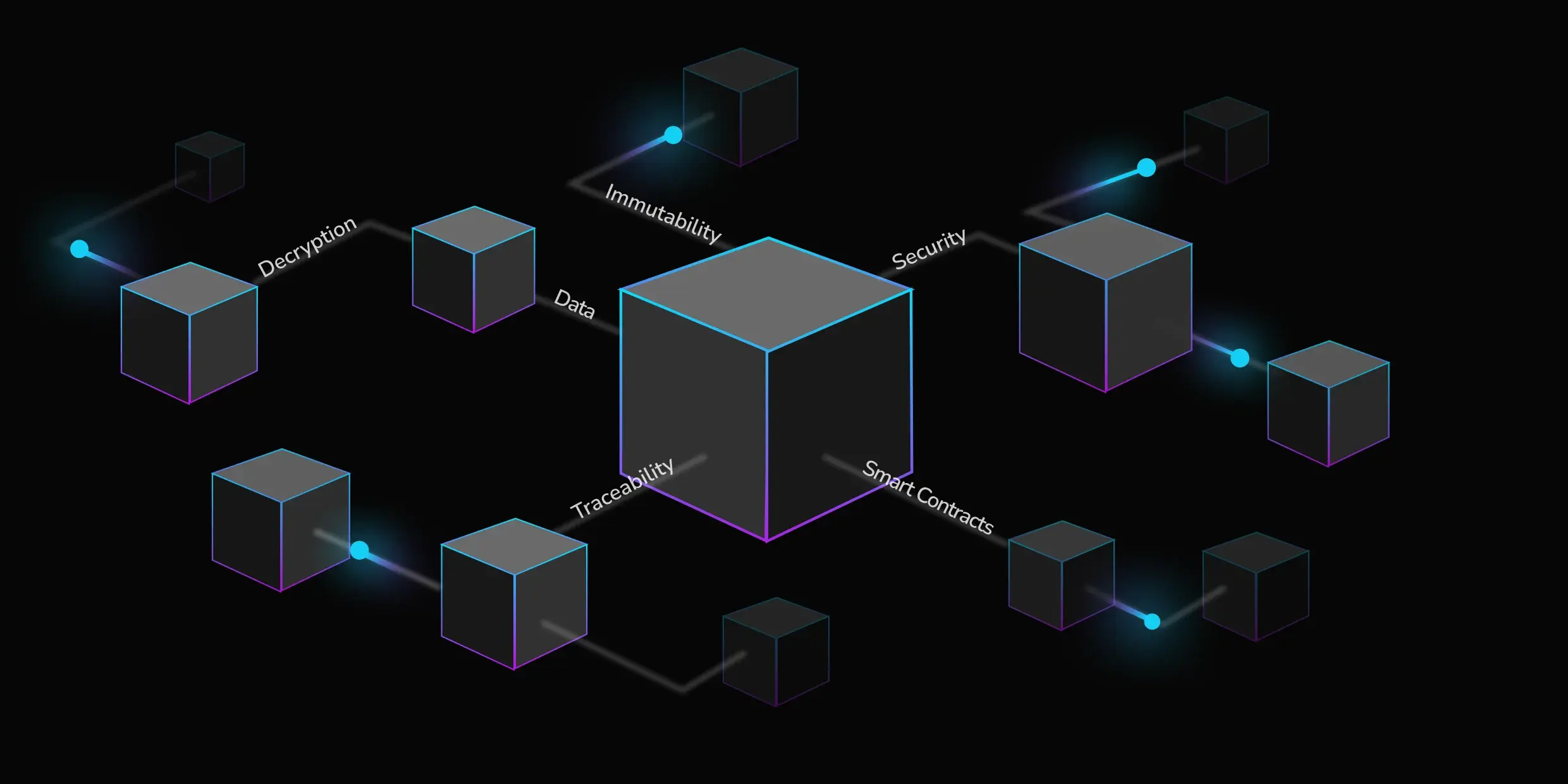
Blockchain is another technology that has immense potential beyond cryptocurrencies. Industries such as finance, healthcare, and supply chain management are all exploring blockchain for secure transactions and transparent record-keeping. Understanding how to design and implement blockchain solutions can open doors to a wide range of opportunities.
Quantum Computing
Though still in its infancy, quantum computing promises to revolutionize industries that require complex computations. While it may be years before quantum computing becomes mainstream, early adopters in this field will be the pioneers of the next tech revolution.
5G and IoT
The rollout of 5G networks and the growth of the Internet of Things (IoT) will enable a new generation of connected devices. As everything from smart homes to industrial machinery becomes more interconnected, professionals who understand how to leverage these networks will be well-positioned to lead the way in innovation.
3. Be Adaptable and Flexible
The Importance of Agility
In tech, flexibility is just as important as knowledge. Technologies evolve, but so do market demands. Being adaptable means you can pivot when necessary, embrace new ideas, and continuously optimize your skills. Agile methodology, often used in software development, is an excellent model for this mindset.
- Adopt an Agile Approach: The agile methodology focuses on iterative development and adaptability. Professionals who are familiar with agile principles can adjust quickly to new requirements or unforeseen obstacles.
- Test and Iterate: When working with new technologies or ideas, don’t be afraid to experiment. Test your assumptions, fail fast, and learn from your mistakes. The ability to pivot quickly is one of the most important skills in a rapidly evolving field.
- Stay Tech-agnostic: While deep knowledge in a specific technology is valuable, being too attached to one platform or framework can hinder your ability to adapt. Try to stay flexible and learn different technologies that can complement or replace one another.
Encourage Innovation
Innovation isn’t just for entrepreneurs and startup founders. In established companies, employees who drive innovation and find new solutions to old problems often rise to leadership roles. Innovation comes from challenging the status quo and looking for better, more efficient ways to get things done.
- Collaborate on Cross-disciplinary Projects: Working with people from different backgrounds—such as design, business, and engineering—can help spark creative solutions.
- Experiment and Prototype: In your day-to-day work, challenge yourself to prototype new ideas and test them on a small scale. Many successful tech companies started as experiments.
- Foster a Growth Mindset: Embrace challenges, learn from feedback, and constantly look for ways to grow both personally and professionally.
4. Build a Strong Network
The saying “It’s not what you know, but who you know” holds a lot of weight in the tech industry. Building a network of industry professionals is essential for staying up to date with the latest trends, sharing knowledge, and uncovering new opportunities.
Attend Networking Events
While online communities and social media platforms like LinkedIn are invaluable for professional connections, face-to-face interaction still holds great value. Conferences, hackathons, and industry meetups are great ways to meet like-minded professionals, learn new things, and get involved in innovative projects.
Contribute to Open Source
Getting involved in open-source projects can help you expand your network and gain visibility within the tech community. It’s a fantastic way to build credibility and make meaningful contributions to the ecosystem. Plus, collaborating on open-source projects can sharpen your skills and broaden your perspective on coding practices.
Mentorship
Seek out mentors who can provide guidance, wisdom, and career advice. Conversely, becoming a mentor yourself can reinforce your own knowledge and offer a new perspective. Building relationships with others in your industry through mentoring creates a two-way exchange of information that benefits everyone involved.
5. Develop a Future-Focused Mindset
Be Anticipatory, Not Reactive
In the fast-moving world of tech, it’s essential to be proactive. Rather than waiting for changes to occur, actively anticipate what might come next. This requires staying tuned into emerging trends, developing foresight, and positioning yourself to act before others.
- Scenario Planning: Create different scenarios for the future of your industry. What if AI becomes mainstream? What if blockchain disrupts the financial sector? By thinking ahead, you can make strategic decisions that position you for success.
- Follow Visionary Leaders: Visionary leaders often have a deep understanding of where the industry is headed. Follow these leaders on platforms like Twitter or LinkedIn to gain insight into their predictions for the future.
- Think Long-Term: In an industry that changes so rapidly, it can be tempting to focus solely on short-term gains. However, successful professionals look to the long-term, planning their career trajectory based on where the industry is headed, not just where it is now.
Maintain a Work-Life Balance
While staying ahead in the tech industry requires hard work and dedication, it’s also essential to take care of yourself. Burnout is a real risk in high-demand industries, and you’ll be more effective if you maintain a healthy work-life balance. Don’t neglect hobbies, relationships, and mental well-being in the quest to stay ahead.
Conclusion
Staying ahead in a rapidly evolving tech industry requires a combination of curiosity, adaptability, and foresight. You need to be constantly learning, embracing emerging technologies, and staying flexible to new developments. Networking with peers and mentors can also provide valuable insights and opportunities. And, perhaps most importantly, cultivating a future-focused mindset will help you anticipate changes and position yourself to lead, rather than follow, in an ever-changing landscape.
By adopting these strategies and maintaining a balance between personal and professional development, you’ll be well-equipped to navigate the exciting challenges of the tech world.